
Last updated November 4, 2026
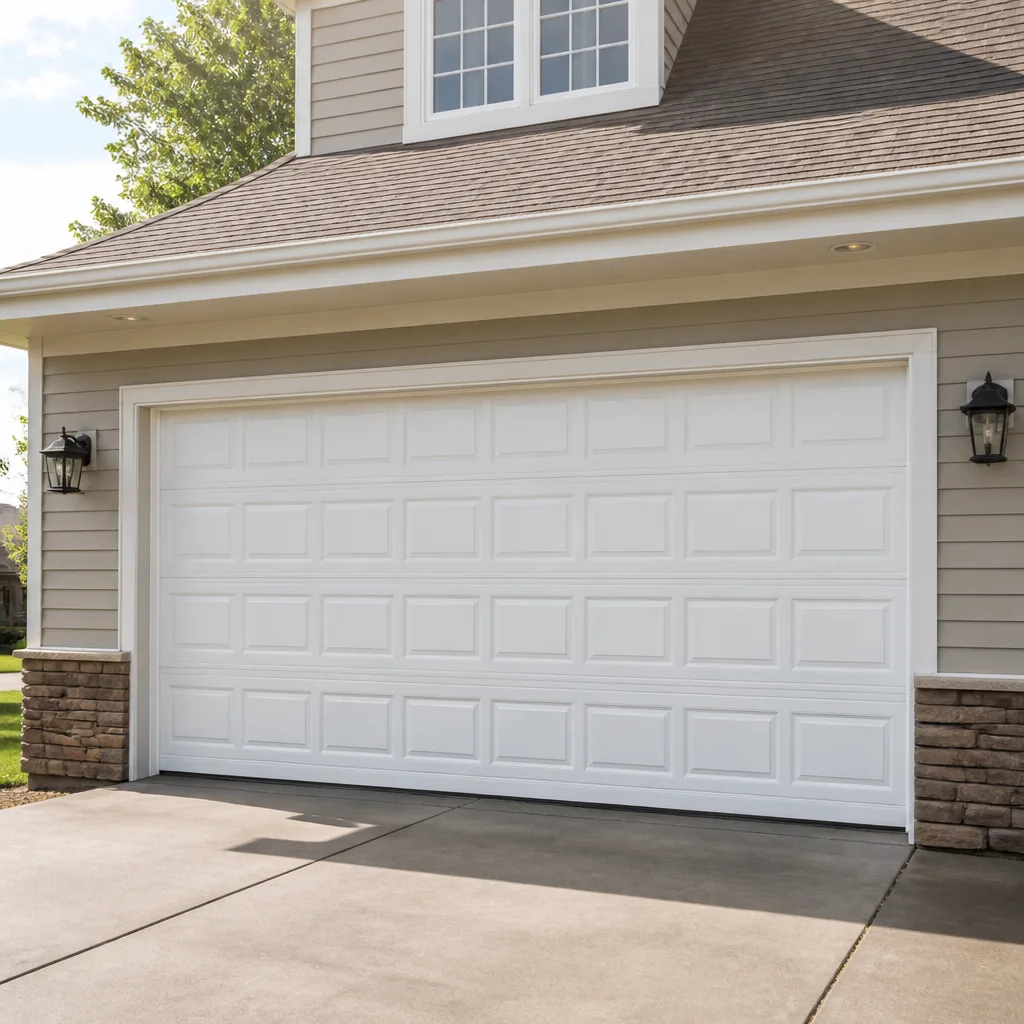 Raised-panel steel
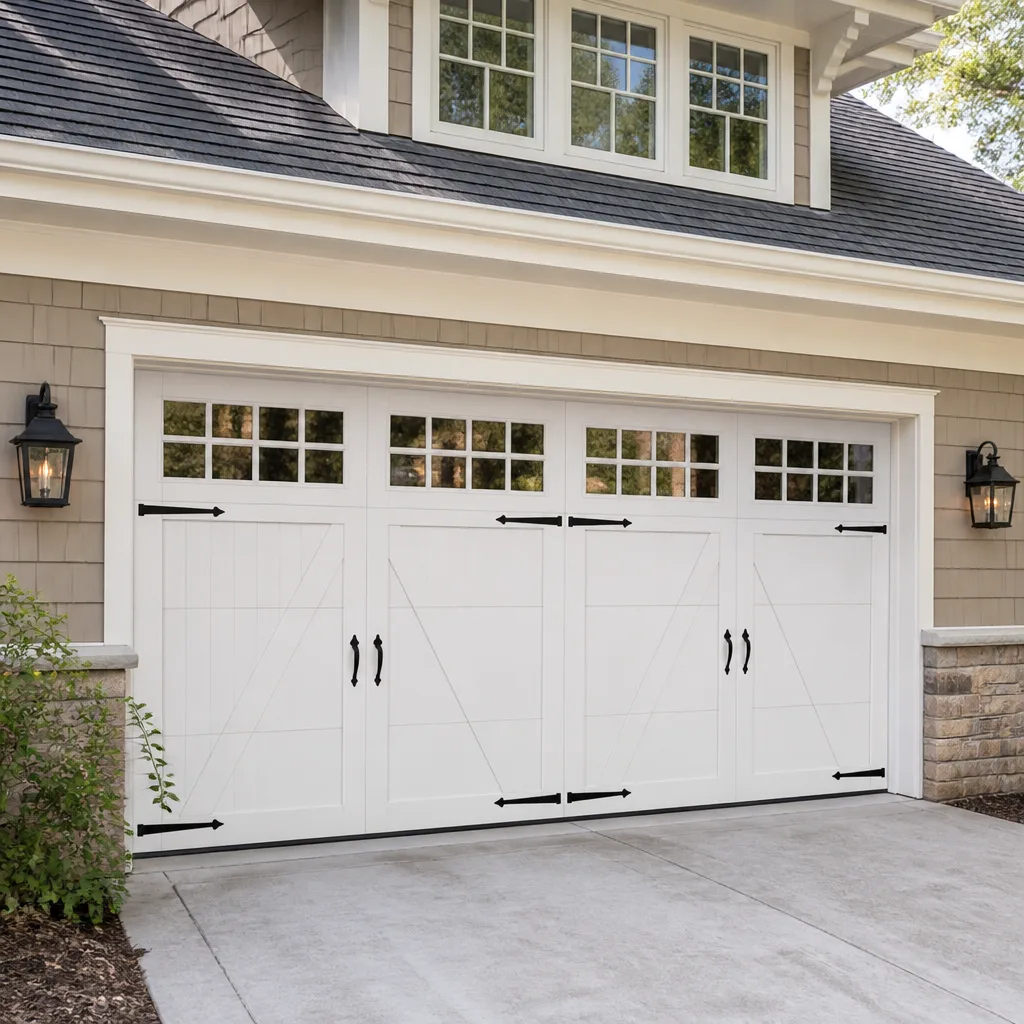 Carriage house
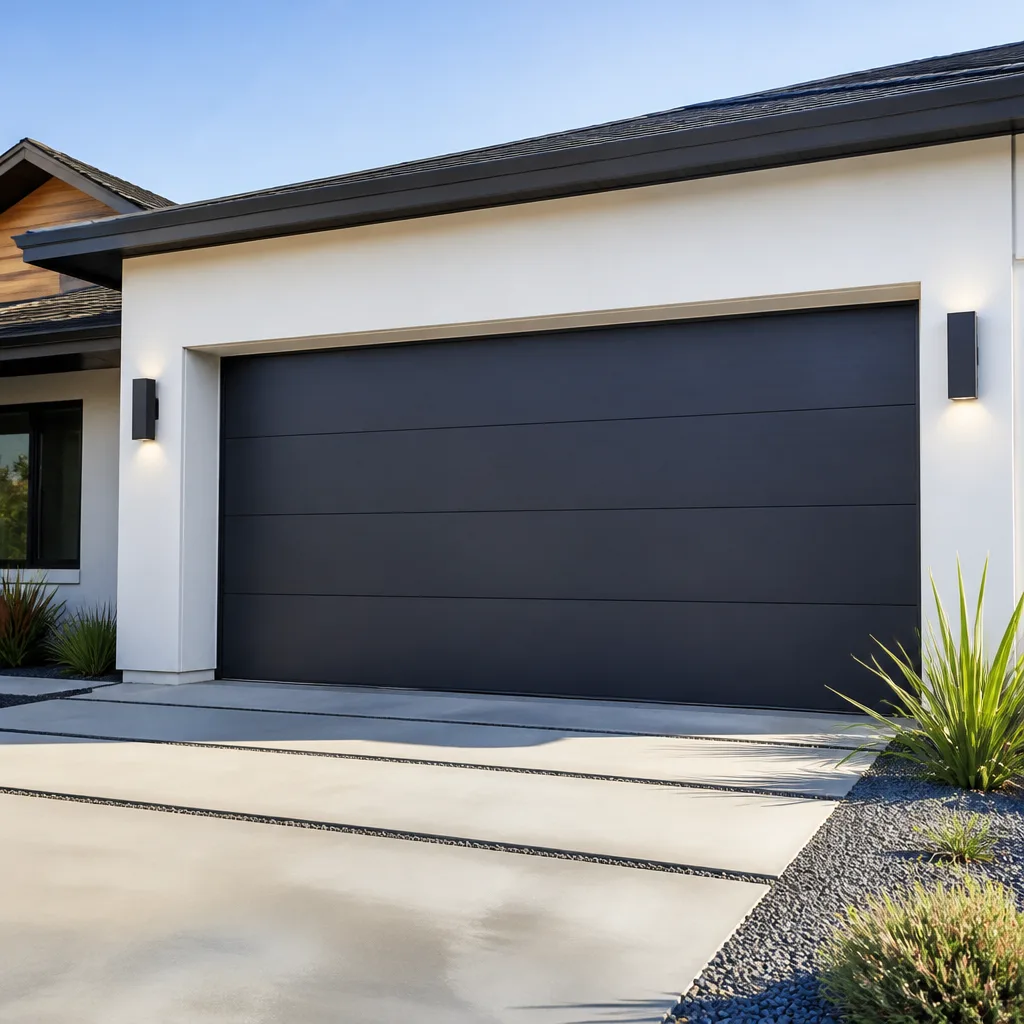 Modern flush
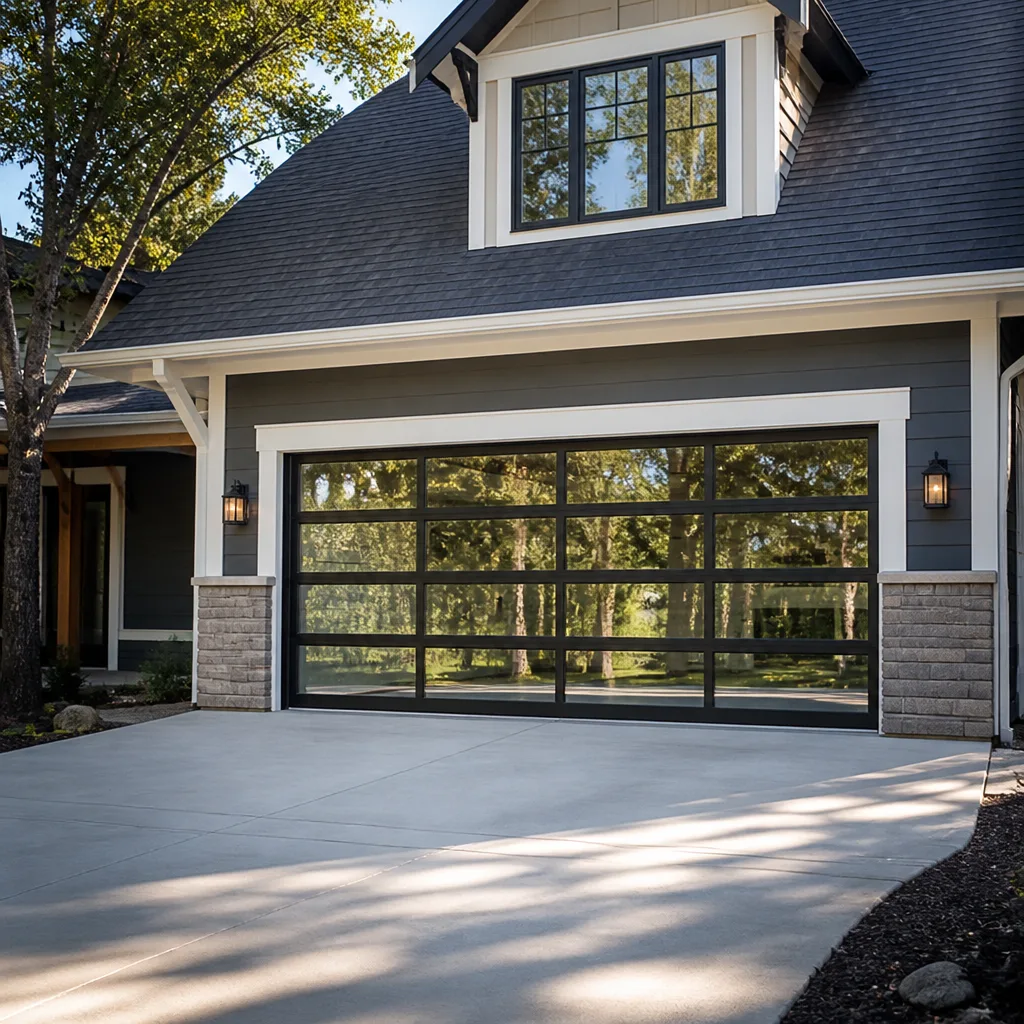 Full-view glass
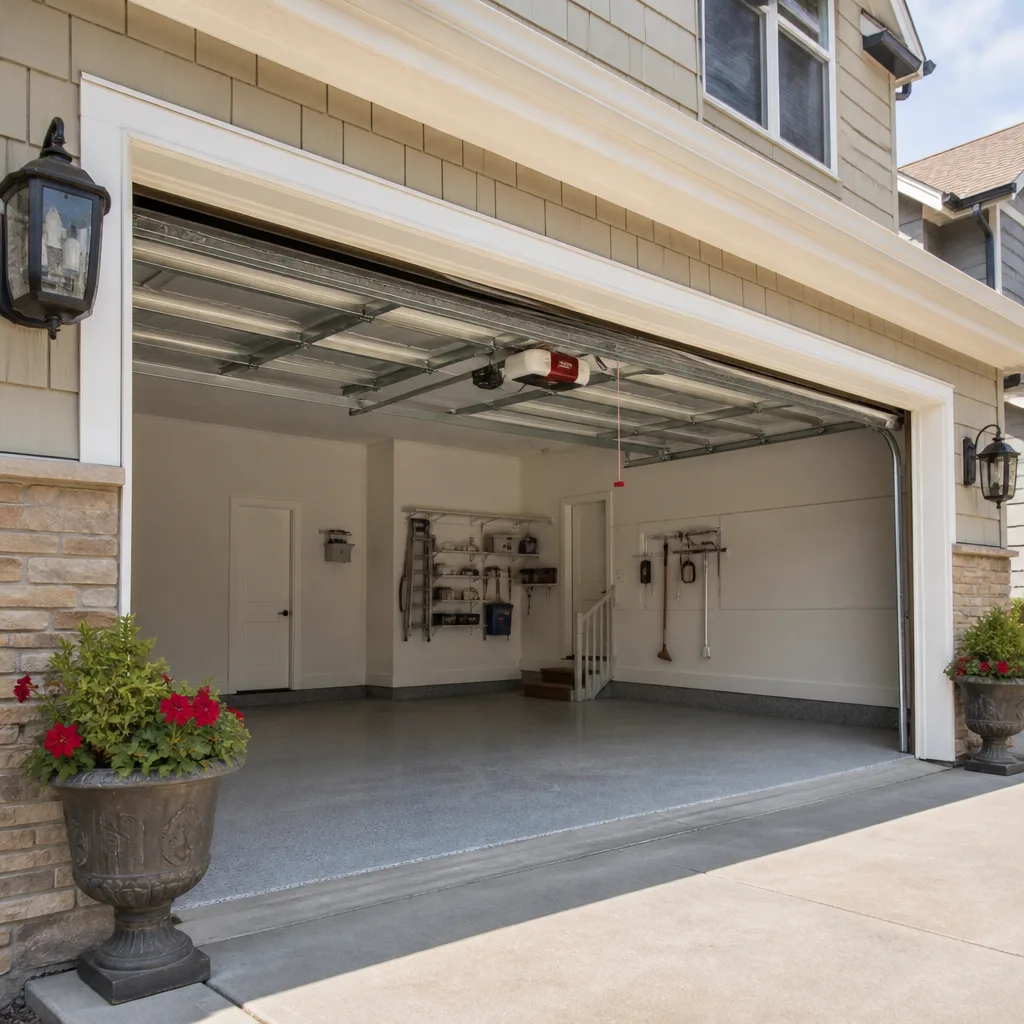 LiftMaster openers
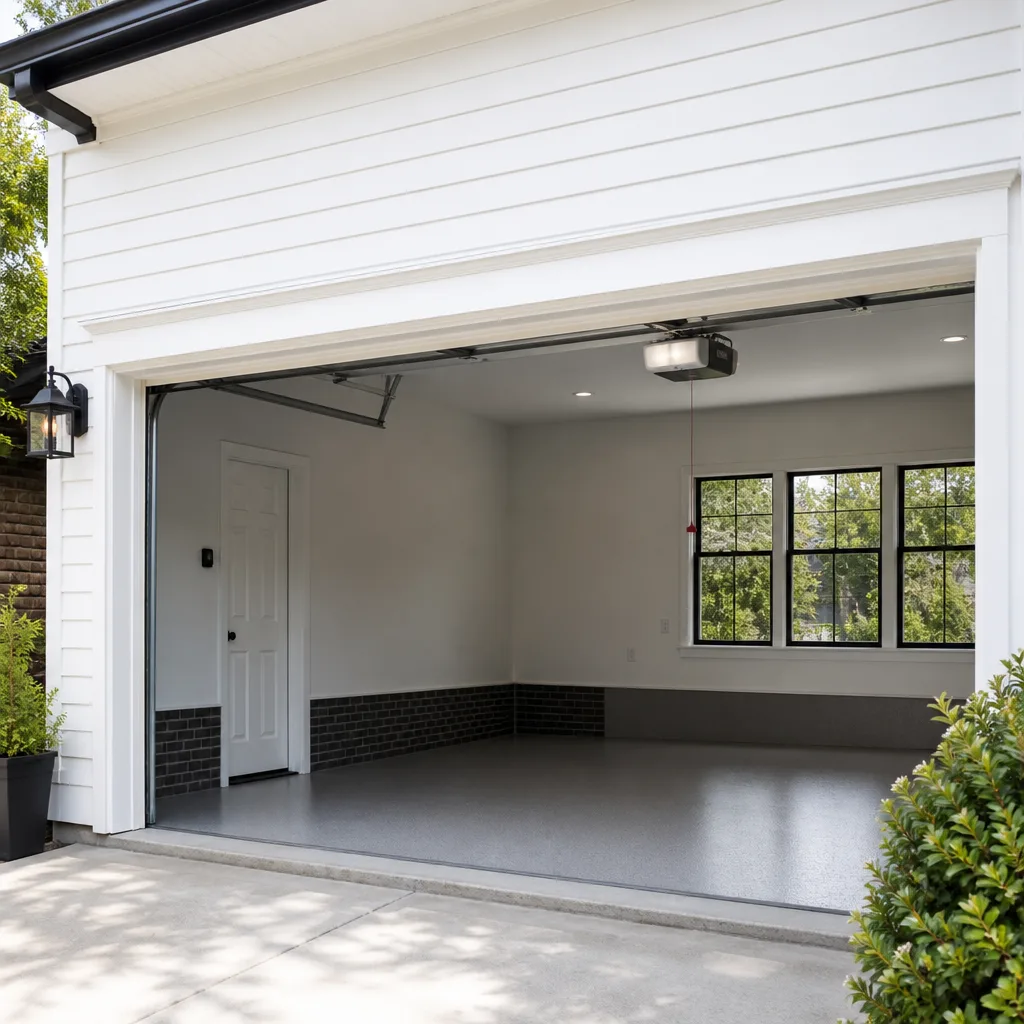 Chamberlain openers
Full 25-point door and opener safety check with every visit - springs, cables, rollers, tracks, and your LiftMaster or Chamberlain opener included
You get a price before we start. It does not change when the truck arrives.
Get your free estimateGarage Door Repair Troubleshooting in Diamond Bar: Common Problems and How to Fix Them
A garage door that “just stopped working” is almost never one broken thing. It’s one broken thing that was ignored long enough to take two more components with it. The spring loses tension, which strains the opener, which burns out a gear, which leaves you standing in the driveway at 6 a.m. wondering why the door won’t lift. This guide walks through the most common failure patterns we see in Diamond Bar, how to read the symptoms, which fixes are safe to attempt, and which ones should stop at diagnosis. None of this requires special tools. It requires knowing where to look.
Styles & brands we work with
- Raised-panel steel
- Carriage house
- Modern flush
- Full-view glass
- LiftMaster openers
- Chamberlain openers
Quick Answer
Most garage door problems in Diamond Bar come down to one of four systems: the springs, the tracks and rollers, the opener, or the sensors and limit settings. Start by pulling the manual release cord. If the door lifts smoothly by hand, the mechanical side is fine and the problem is the opener or electrical. If it’s heavy, jerky, or won’t move, you’ve isolated a spring, cable, or track issue. From there, the specific sound and movement pattern tells you what to fix.
Table of Contents
- Read the Door as a System, Not a List of Parts
- The Manual Release Test: Your First Diagnostic Step
- Symptom-to-Cause Mapping: Sounds, Movements, and What They Actually Mean
- Why Diamond Bar’s Temperature Swings Cause Seasonal Door Drift
- Safe DIY Fixes vs. Stops-at-Diagnosis
- How to Describe Your Problem So You Get a Real Quote Over the Phone
- Brand-Specific Notes: LiftMaster, Chamberlain, Craftsman, and Raynor
- Common Mistakes to Avoid
- When to Call a Professional
- Frequently Asked Questions
- The Bottom Line
Read the Door as a System, Not a List of Parts
Here’s the mistake most Diamond Bar homeowners make: they treat the garage door as a collection of independent parts. The spring is one thing, the opener is another, the rollers are a third. But a garage door is a connected mechanism. Every component is in a conversation with every other component. When one side of that conversation fails, the others compensate until they can’t.
Think of it like a car. If your alternator dies, your battery drains. If you replace only the battery, the new one dies too. Garage doors work the same way. A worn roller increases drag. Increased drag makes the opener work harder. Working harder overheats the motor. A year later, the motor fails and you assume it was a bad opener. The real failure started at the roller.
This is why garage door repair in Diamond Bar starts with diagnosis, not part swapping. When we respond to a call, we don’t ask “what do you want replaced.” We ask what the door is doing, what it sounds like, and whether it failed gradually or all at once. The answers point to the source before any tool comes out.
The practical takeaway: when something goes wrong, note the sound, the movement, the timing, and what the door was doing in the days before. That sequence of observations, read together, is far more useful than “it’s broken.”
The Manual Release Test: Your First Diagnostic Step
Before you call anyone, do this. It takes 30 seconds and immediately separates mechanical failures from opener or electrical failures. Pull the red manual release cord hanging from the opener rail. This disconnects the door from the opener carriage. Now try to lift the door by hand.
- If the door lifts smoothly and stays up on its own: the springs and cables are functioning. Your problem is the opener, the remote, the wall button, or the electrical supply. Focus there.
- If the door feels heavy, jerky, or won’t lift past chest height: the mechanical side is failing. Springs have lost tension, cables are fraying, or the door is binding in the tracks. Stop testing and leave the door where it is.
- If the door rockets up or crashes down: a spring has broken or lost significant tension. Do not force the door. Lower it carefully if possible and leave it alone.
This test matters because it changes who you call and what you say. A door that lifts fine by hand is not a spring problem. A door that’s heavy by hand is not an opener problem. Knowing the difference saves you from paying for a diagnosis that a 30-second test answered for free.
One safety note: this test is safe because you’re only lifting the door, not working on the spring assembly. The manual release cord is designed for exactly this purpose. The danger with springs comes when you start adjusting or removing them, which we’ll cover later.
Symptom-to-Cause Mapping: Sounds, Movements, and What They Actually Mean
Most misdiagnosis happens because homeowners hear a symptom and assign it to the nearest part. A grinding sound gets blamed on the opener motor. A door that slows down gets blamed on the spring. The actual cause is frequently somewhere else. Here’s the cross-reference we use on every service call in Diamond Bar.
Symptom: Grinding noise when the door moves
The door sounds like it’s dragging gravel through the tracks. Most people blame the opener. The real cause is usually worn rollers, dry bearings, or misaligned tracks forcing the door to scrape against the rail. The opener motor is just working harder to overcome the drag. Fix the rollers and lubrication first. The noise usually disappears without touching the opener.
Symptom: Door jerks or shudders on the way up
This is almost always a mechanical issue in the tracks or panels. Loose hinges, bent track sections, or a roller that’s seized and sliding instead of rolling. The door catches, releases, catches again. The opener keeps pulling through it, which wears the opener gear. Address the track and roller issue before the opener takes damage.
Symptom: Door opens slowly, then stops
If the manual release test shows the door is heavy, you have a spring problem. If the door lifts fine by hand, the opener’s force settings are wrong or the motor is failing. Diamond Bar homeowners often mistake this for a dead opener when it’s actually a spring that’s lost tension and placed the full weight on the motor.
Symptom: Loud bang from the center of the door
That’s a spring breaking. The sound is unmistakable once you’ve heard it. The door may still lift a few inches with the opener, then stop. Do not run the opener. Call for service.
Symptom: Door reverses right after touching the floor
The close limit needs adjustment, or the safety sensors at the bottom are misaligned or dirty. This is a common and safe DIY fix. More on that below.
Symptom: Door closes, then immediately reopens
Same as above. The sensors are telling the opener an obstruction exists. It’s a false signal from misalignment or dirt. Clean the lenses and check the alignment.
Why Diamond Bar’s Temperature Swings Cause Seasonal Door Drift
Diamond Bar sits inland, where summer days run hot and evenings cool down fast. That daily and seasonal swing has a specific effect on garage doors that coastal climates don’t experience. Metal expands and contracts. On a hot afternoon, the steel in your door panels and hardware expands slightly. At night, it contracts. Over months, this repeated cycle changes the tension in your cables, shifts your springs, and loosens what was tight.
We see more “mystery” problems in Diamond Bar after the first serious heat wave of the year. Doors that worked fine in March suddenly start reversing halfway, or drifting, or sitting uneven. Nothing broke. The heat expanded the track, shifted the torsion spring’s wind, and the limit settings are now slightly wrong. The door isn’t broken. It’s out of calibration.
This is also why an annual tune-up matters more here than in places with stable temperatures. A spring and cable check before the hot season catches drift early. A spring that loses tension in the fall is more likely to break in the spring. Checking it twice a year, at the seasonal transitions, prevents most failures before they start.
The practical takeaway for troubleshooting: if your door starts acting up after a heat wave, don’t assume a part failed. Do the manual release test. If the door lifts fine by hand, the mechanical system is intact. The opener settings likely just need recalibration for the new temperature reality. That’s a call we can talk you through or handle on a service visit.
Safe DIY Fixes vs. Stops-at-Diagnosis
Some garage door work is genuinely safe for a homeowner with basic tools and patience. Some is dangerous enough that even experienced technicians follow strict protocols. Knowing which is which is the difference between a 20-minute repair and a trip to urgent care.
Safe to do yourself
- Sensor alignment: If the door reverses when closing, check that both sensor eyes at the bottom of the door are aligned and clean. A steady green light means aligned. A blinking light means misaligned. Loosen the wing nut, point the sensors at each other, tighten when both lights go steady.
- Lubrication: Use a garage door specific lubricant (not WD-40) on hinges, rollers, and the spring. A squeaky door is usually a dry door. Spray the bearings, not the track itself. Wipe excess.
- Limit switch adjustment: If the door closes and immediately reopens, or doesn’t close all the way, the open and close limits on the opener need adjustment. Check your opener manual for the specific procedure. It’s usually a small dial or button sequence on the motor unit.
- Remote battery and reprogramming: If the wall button works but the remote doesn’t, change the remote battery first. If it still doesn’t work, follow the pairing procedure in the opener manual.
Stops at diagnosis: leave these to a professional
- Torsion springs: These springs are under enormous tension. A spring that breaks during adjustment can cause serious injury. Do not attempt to wind, unwind, replace, or adjust a torsion spring. The manual release test tells you whether the spring is the problem. Diagnosis is where you stop.
- Extension springs and cables: The cables that run alongside the door work with the springs and are under similar load. A frayed cable is about to fail. A snapped cable can whip. Do not touch.
- Opener motor replacement: The electrical and high-tension components inside an opener are not a homeowner repair. If the manual release test shows the door is fine and the opener isn’t responding, call a professional.
- Track replacement: Misaligned tracks that need bending back or replacing are under the same tension as the door itself. A track that’s loose can drop the door. Diagnosis only.
The line is simple: anything attached to the spring system or under tension stops at diagnosis. Anything that’s a sensor, a setting, a battery, or a lubrication point is fair game.
How to Describe Your Problem So You Get a Real Quote Over the Phone
Here’s a frustration we hear often: a homeowner calls a garage door company, describes the problem, and hears “we need to see it first.” Sometimes that’s legitimate. Sometimes it’s because the homeowner gave a vague description that didn’t let the technician identify the likely issue.
The fix is to describe the problem in terms a technician can map to a cause. Here’s the format we recommend:
- What happened: “The door stopped opening halfway this morning.” Or “There was a loud bang and now the door won’t lift.”
- What you already tested: “I pulled the manual release and the door is heavy by hand.” This single sentence eliminates half the possibilities.
- The sound: “It grinds when it moves” or “It’s silent but nothing happens.” Sound is diagnostic.
- When it started: “It’s been slow for two weeks but today it stopped” versus “It was fine yesterday and broken this morning.” Gradual vs. sudden failure points to different causes.
- The door’s behavior now: “It opens fine but won’t close” or “It closes then immediately reopens.” Specific directions matter.
When a homeowner gives us those five pieces, we can usually identify the likely cause and quote a range before we arrive. The written estimate sets the final price, and it’s agreed before any work starts. That’s how we avoid surprises.
For garage door opener repair, the same format applies. Tell us whether the wall button works, whether the remote works, what the motor sounds like, and whether the manual release test passed. That information tells us whether you have an electrical issue, a motor issue, or a programming issue before we roll a truck.
Brand-Specific Notes: LiftMaster, Chamberlain, Craftsman, and Raynor
Harbor Garage Door Service works on eight major brands, so we develop strong familiarity with the failure patterns of each. Here are the brands most common in Diamond Bar, and what we typically see with each.
LiftMaster: The most common modern opener we see in Diamond Bar. Solid units overall. The failure pattern we see most is the logic board, especially on units with WiFi. The symptom is usually an opener that stops responding to remotes but works from the wall button, or one that randomly opens and closes at night. These are repairable. The door and motor are usually fine.
Chamberlain: Similar family to LiftMaster. We see drive gear wear on older units, which presents as a clicking or slipping sound when the motor runs. The motor spins but the chain doesn’t move, or moves in fits. The fix is a gear replacement, which is a standard repair on units that have run reliably for years.
Craftsman: We service the openers you already own, including Craftsman units that have been on the ceiling for a long time. Craftsman openers tend to have either a gear issue (same clicking symptom) or a capacitor failure, which presents as a motor that hums but doesn’t start. Both are repairable. We don’t push replacement unless the unit is genuinely beyond economical repair.
Raynor: Raynor doors are well built and have a long service life. The most common issue we see is roller and hinge wear, not spring failure. A Raynor door that’s loud or jerky usually just needs new rollers and lubrication. The panels and hardware are almost always still solid.
One note: we are not formally certified by any of these manufacturers. We are brand-fluent. That means we work on the brand you already own, and our recommendations are driven by what’s actually wrong with your door, not by what we have in the truck or what we’re trying to sell.
Common Mistakes to Avoid
- Replacing the opener before checking the door: If the manual release test shows the door is heavy, a new opener will fail the same way within months. The door, not the opener, is the problem. Diagnose first.
- Lubricating the track rails: The tracks should stay dry. Lubricant in the track attracts dust and creates a sticky paste that makes the door bind worse. Lubricate the rollers and hinges, not the track.
- Using WD-40 on garage door parts: WD-40 is a solvent, not a lubricant. It strips away existing lubricant and the door runs dry a week later. Use a garage door specific silicone or lithium lubricant.
- Adjusting the spring tension by feel: Torsion springs hold enough tension to cause serious injury. If the door is heavy or the spring looks loose, that’s where diagnosis stops. Call a professional.
- Ignoring a noisy door for months: A grinding or squealing door is telling you something. The longer it runs, the more components it takes with it. A $20 roller replacement ignored for a year becomes a $300 opener gear replacement.
- Disconnecting the opener and leaving the door half open: A door on a broken spring should be closed if possible, then left alone. A half-open door can fall. If the door is stuck open, block it or call for service.
- Assuming all garage door companies work on all brands: Some companies are single-brand dealers. Others are generalists who only handle the most basic repairs. If your opener is a specific brand, confirm the company works on it before you book. We service all eight major brands, so that’s not an issue on our end.
When to Call a Professional
Some problems are obvious: a broken spring, a snapped cable, a door off its tracks. Stop and call. Some are less obvious but just as urgent: a door that’s grown heavy over a few weeks, an opener that burns out after struggling against a mechanical problem, or a door that shows signs of drift in Diamond Bar’s seasonal heat. These are failures in progress, not failures that happened. A technician catches them before the loud bang.
The list is simple. If the manual release test shows the door is heavy. If you heard a bang. If the cables are frayed. If the door is crooked or uneven in the opening. If the opener has stopped responding entirely. Any of these means a spring, cable, or track is under tension, and that’s not a DIY job. Harbor Garage Door Service offers free estimates in Diamond Bar. Call (833) 620-0390 and we’ll tell you what we think is wrong, what it’ll cost, and when we can get there. The estimate is free and the price is set by the written quote, agreed before any work starts.
Frequently Asked Questions
Spring replacement typically ranges from $180 to $340 per spring, and springs are normally replaced as a matched pair, so expect roughly double that for both. The final price depends on the door’s weight, the spring size, and whether the cables also need replacement. Call (833) 620-0390 for a free estimate. The written quote sets the final price before any work begins.
We answer 24/7 and offer fast dispatch from 7am to 7pm, Sunday through Friday. A broken spring is a common same-day repair. Call (833) 620-0390 and describe what happened. If you pulled the manual release and the door is heavy, that tells us a lot before we even arrive.
The written estimate is the price, and it’s agreed before any work starts. If a surprise is discovered during the repair, we stop and discuss it with you before proceeding. You don’t get an invoice bigger than the quote without a conversation first.
Most common parts, including springs, rollers, cables, and opener gears, are stocked on our trucks. Some brand-specific parts may need to be sourced. For Diamond Bar homeowners, this usually means most repairs are completed on the first visit. Call (833) 620-0390 to confirm for your specific door and opener.
Most openers reset automatically after power returns. If the door opens or closes only partially, or reverses unexpectedly, the limit settings may need adjustment. Check your opener’s manual for the specific procedure. If you can’t resolve it, garage door opener repair is part of what we handle.
Diamond Bar’s afternoon heat expands the metal in the tracks and the door itself, which can throw off sensor alignment or limit settings. The door isn’t broken. It needs recalibration for the current conditions. If it happens consistently on hot afternoons, have a technician check the sensors and limits. The fix is usually quick.
The Bottom Line
Most garage door failures in Diamond Bar are the result of small problems that were ignored, not sudden catastrophes. A worn roller, a dry bearing, a spring that’s slowly losing tension. The door tells you about these failures for weeks before they become emergencies. The manual release test is your single most valuable diagnostic tool. Understanding the symptom-to-cause relationships in this guide turns a vague “it’s broken” into an accurate, useful description. And knowing which fixes are safe to attempt, versus which ones stop at diagnosis, keeps you out of harm’s way. When the problem is beyond the DIY line, call (833) 620-0390 for a free estimate. We answer 24/7. Fast dispatch from 7am to 7pm, Sunday through Friday.
Written by the team at Harbor Garage Door Service, serving Diamond Bar since 2014.
See the difference
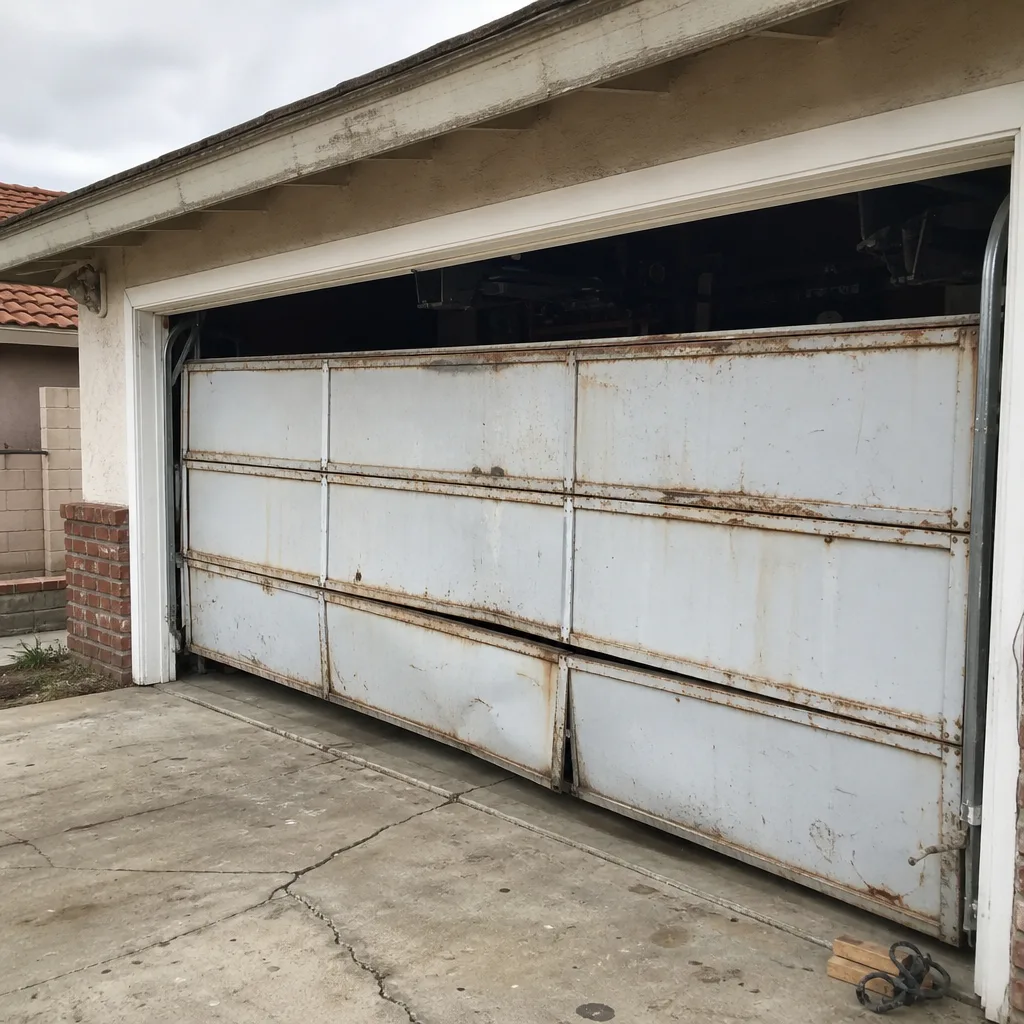 Before
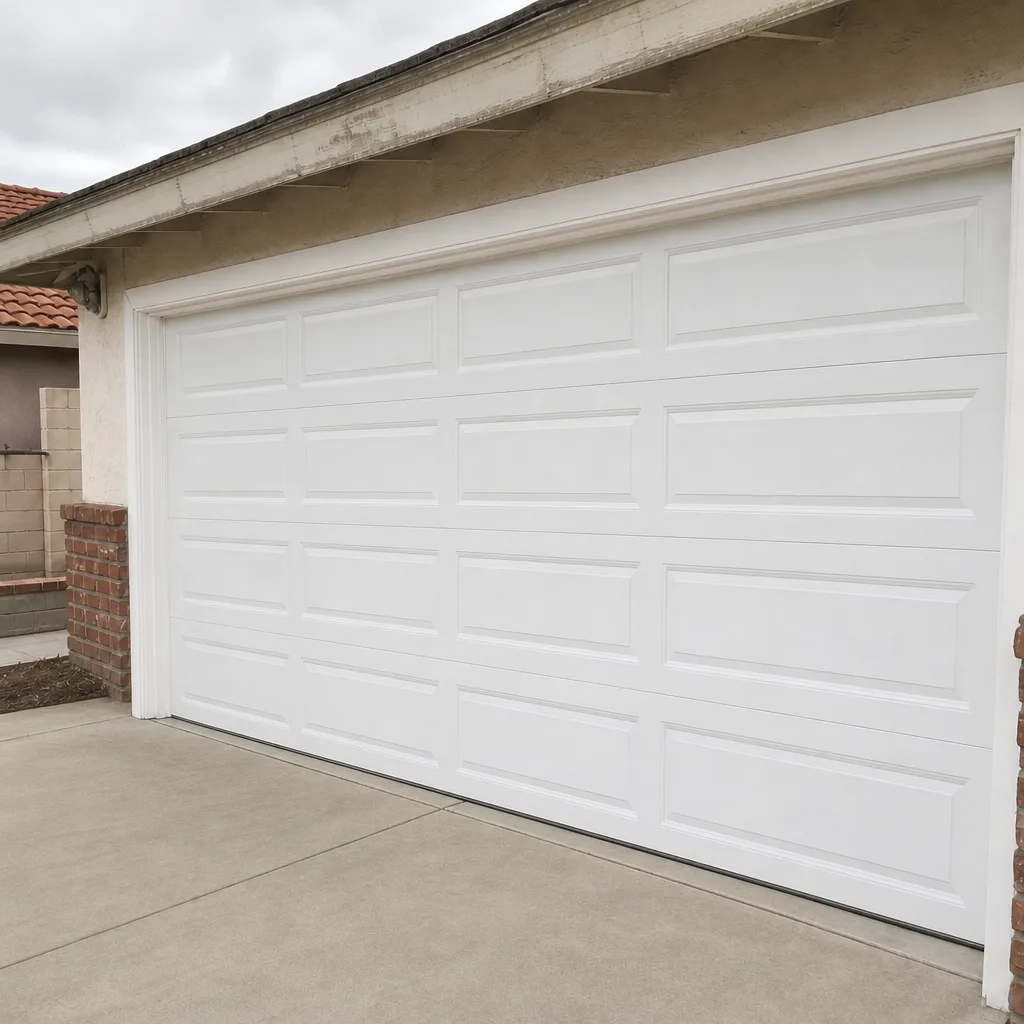 After
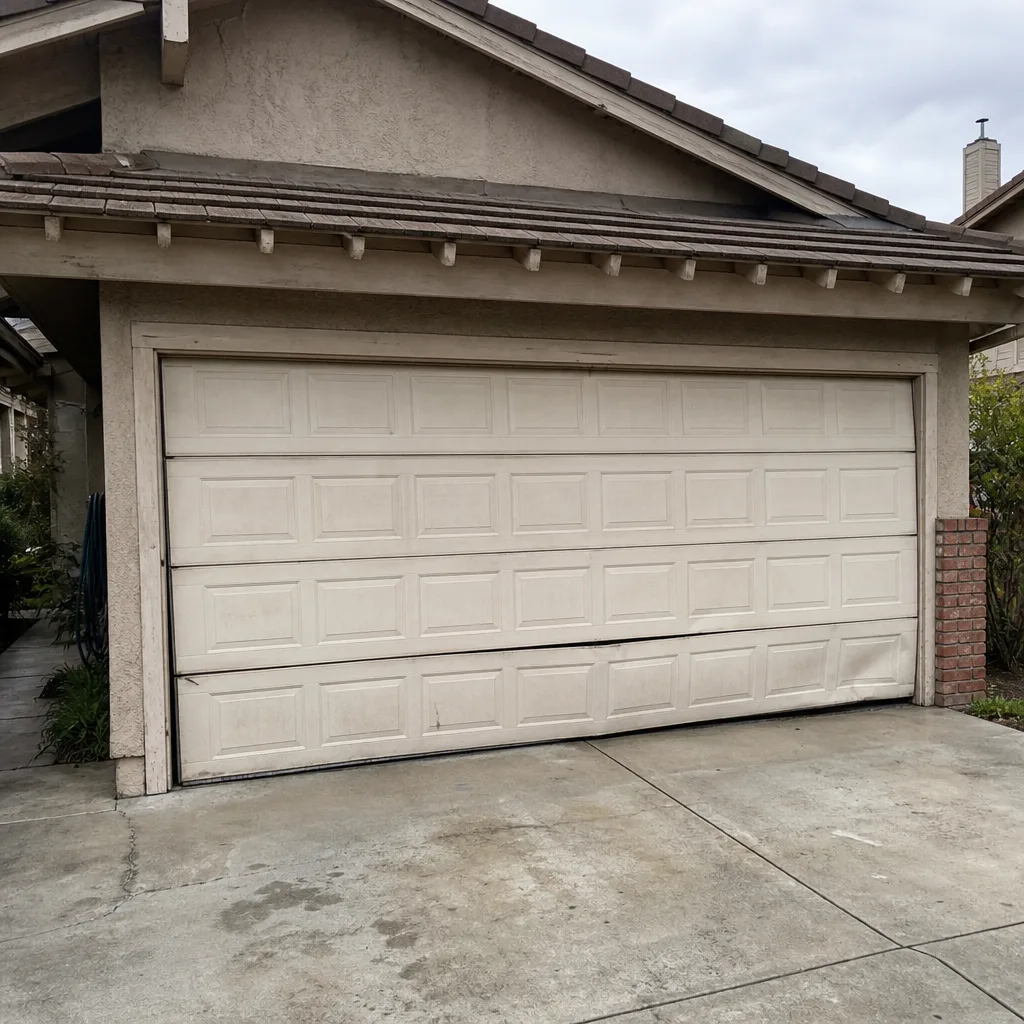 Before
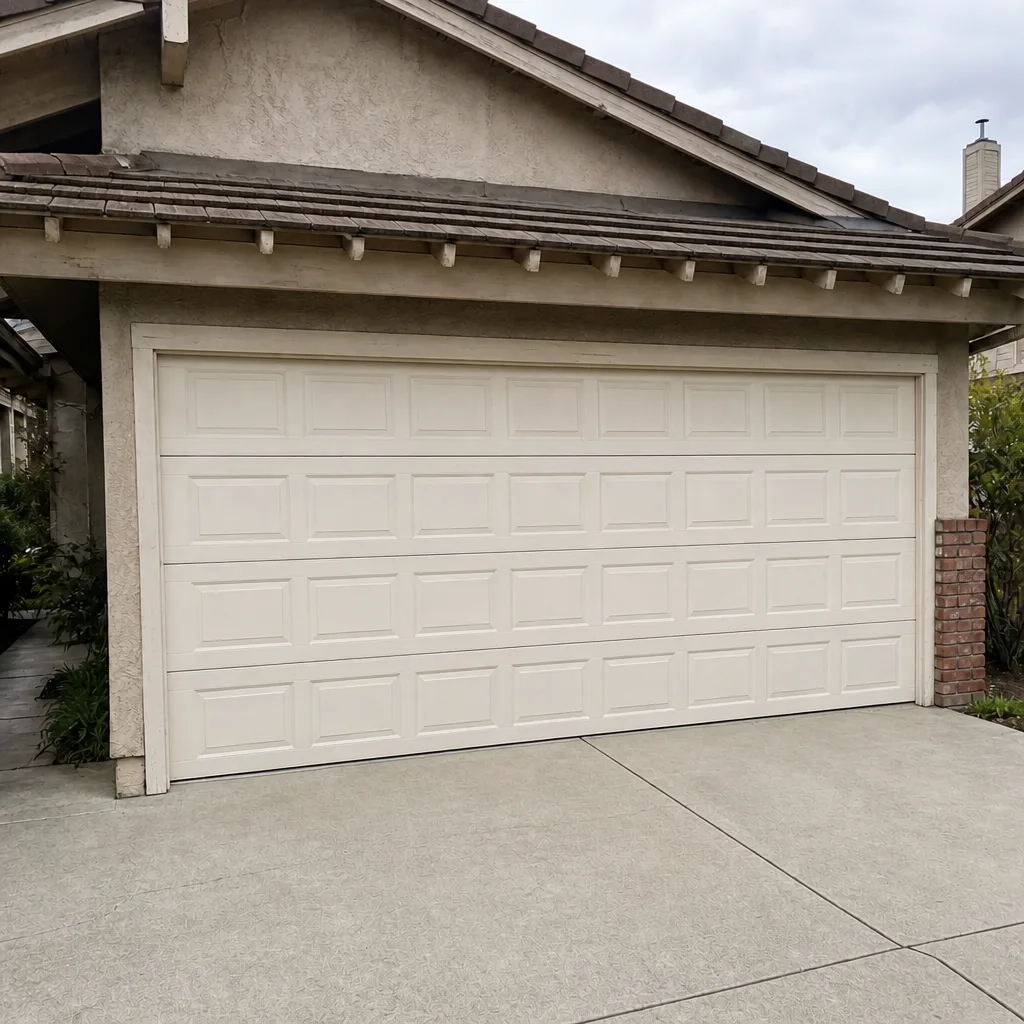 After
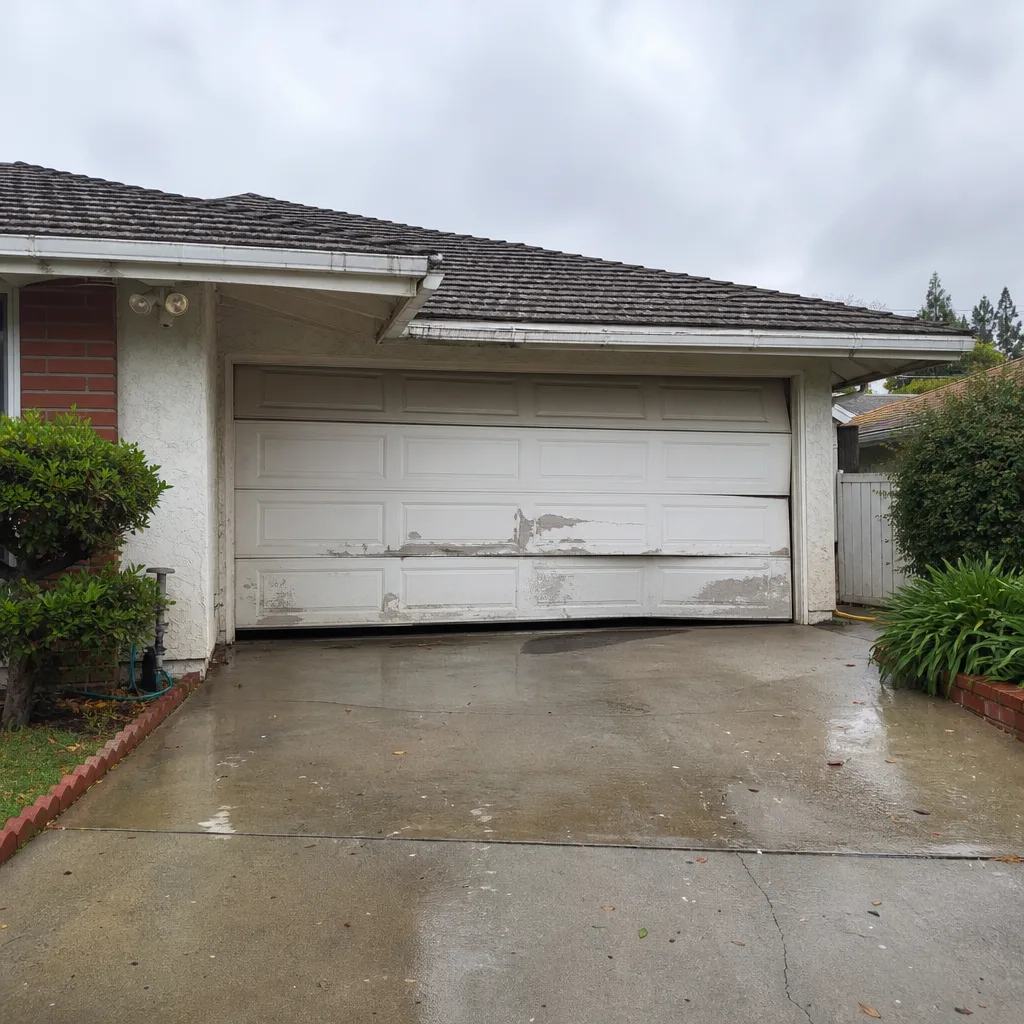 Before
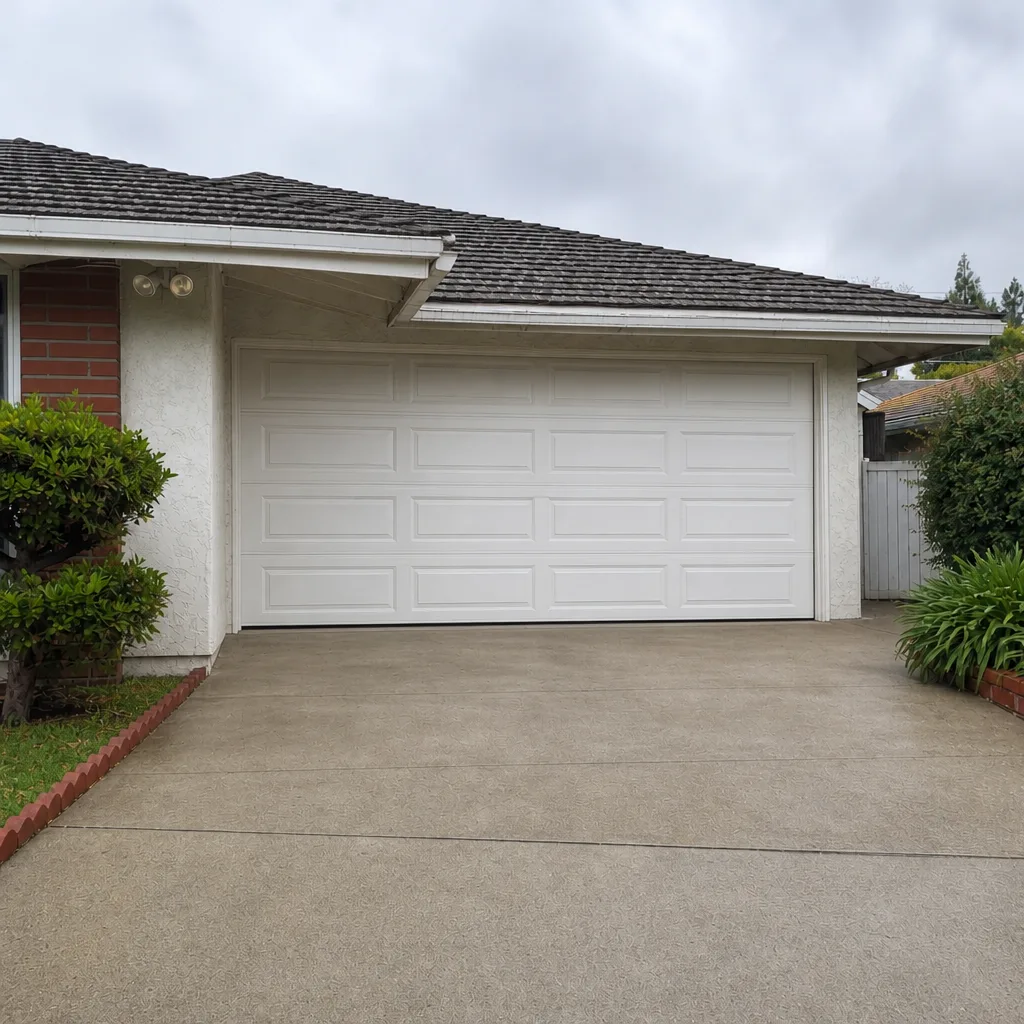 After