
Last updated November 4, 2026
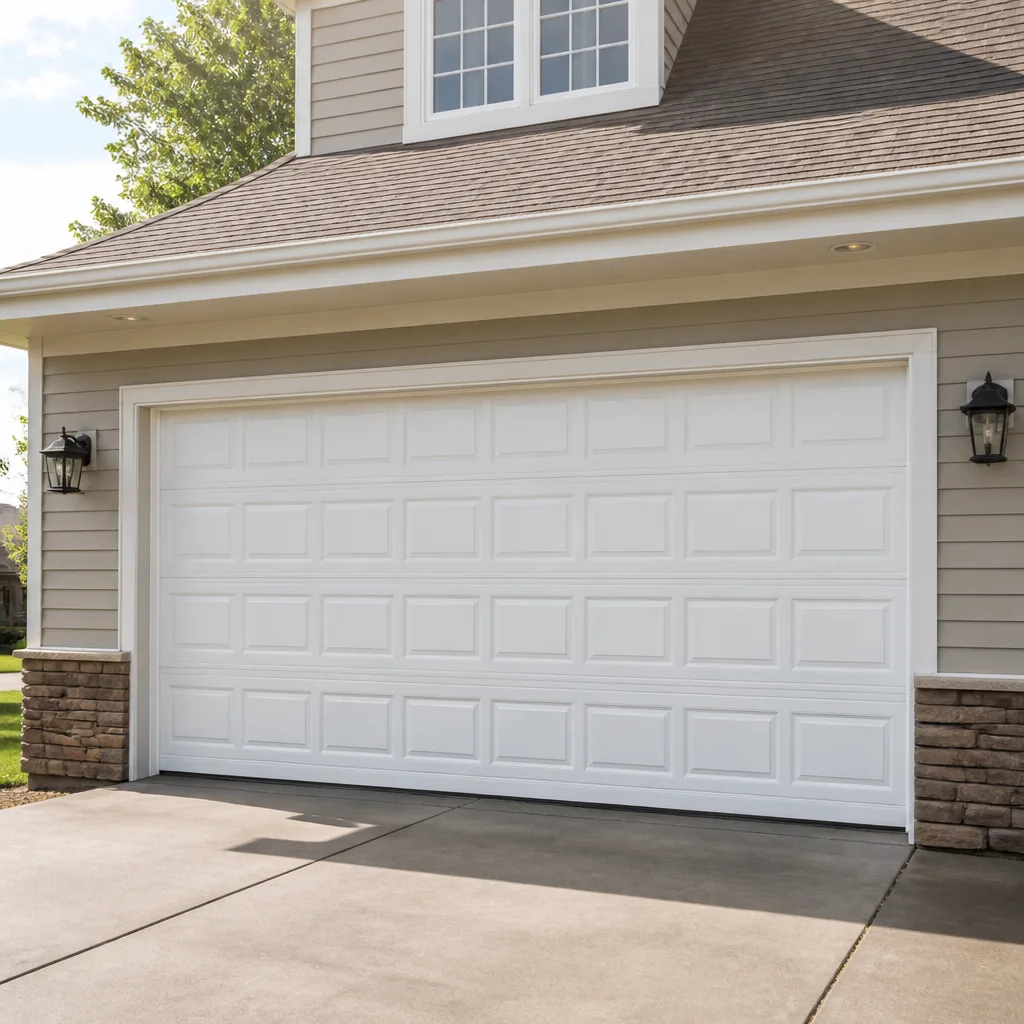 Raised-panel steel
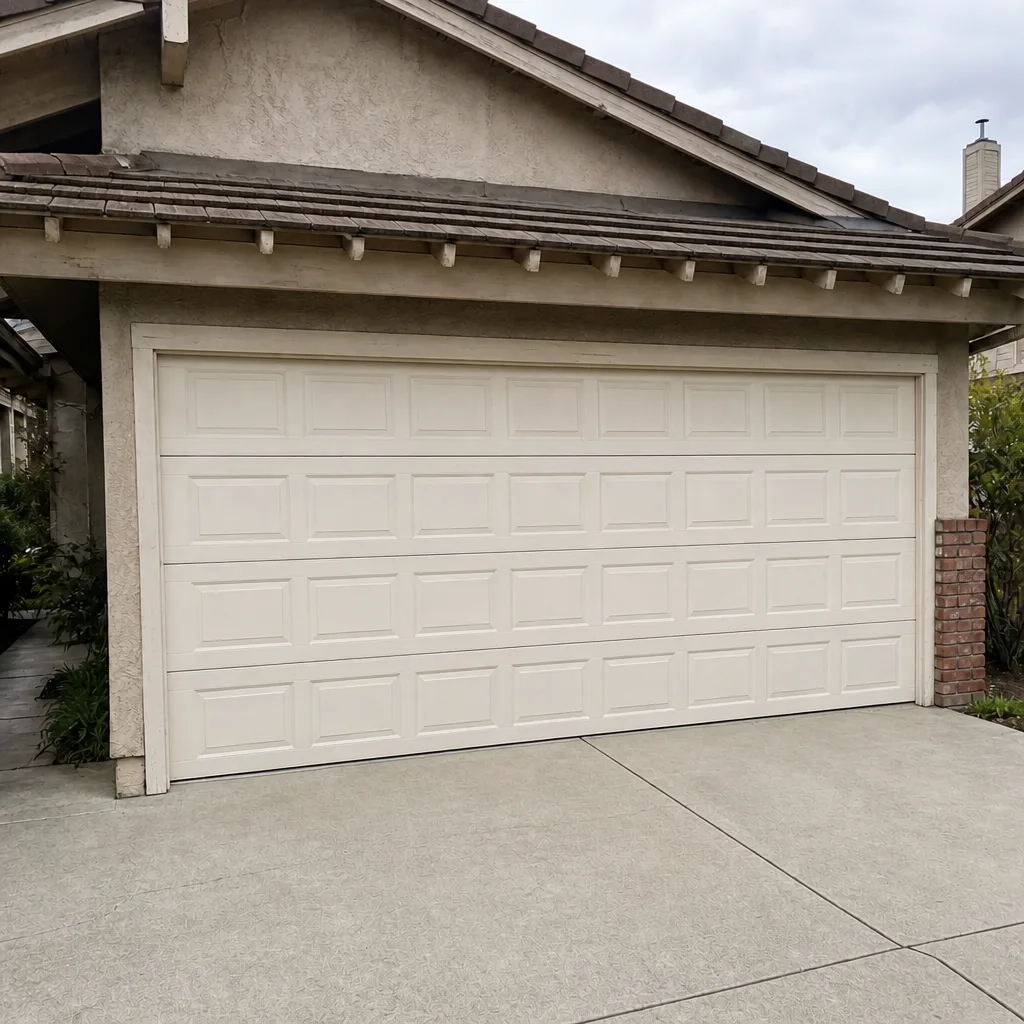
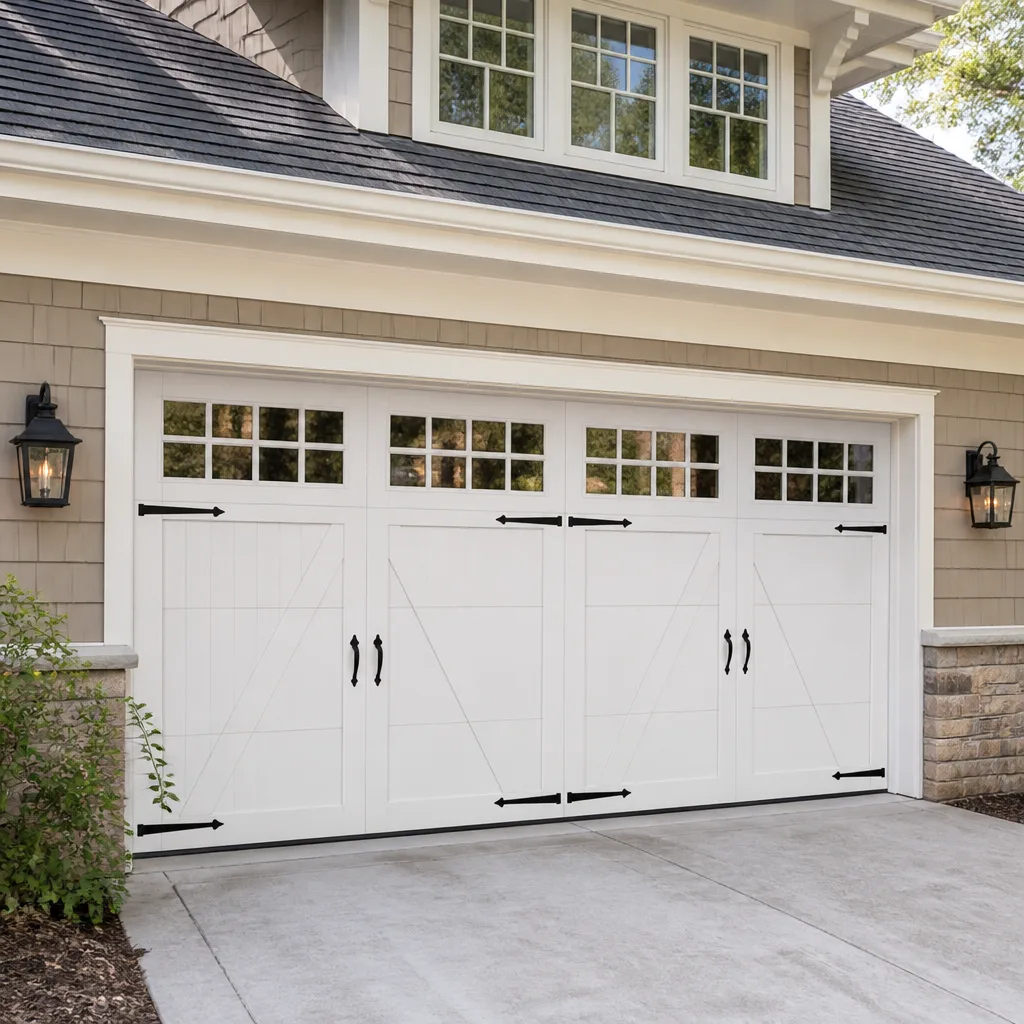 Carriage house
 Modern flush
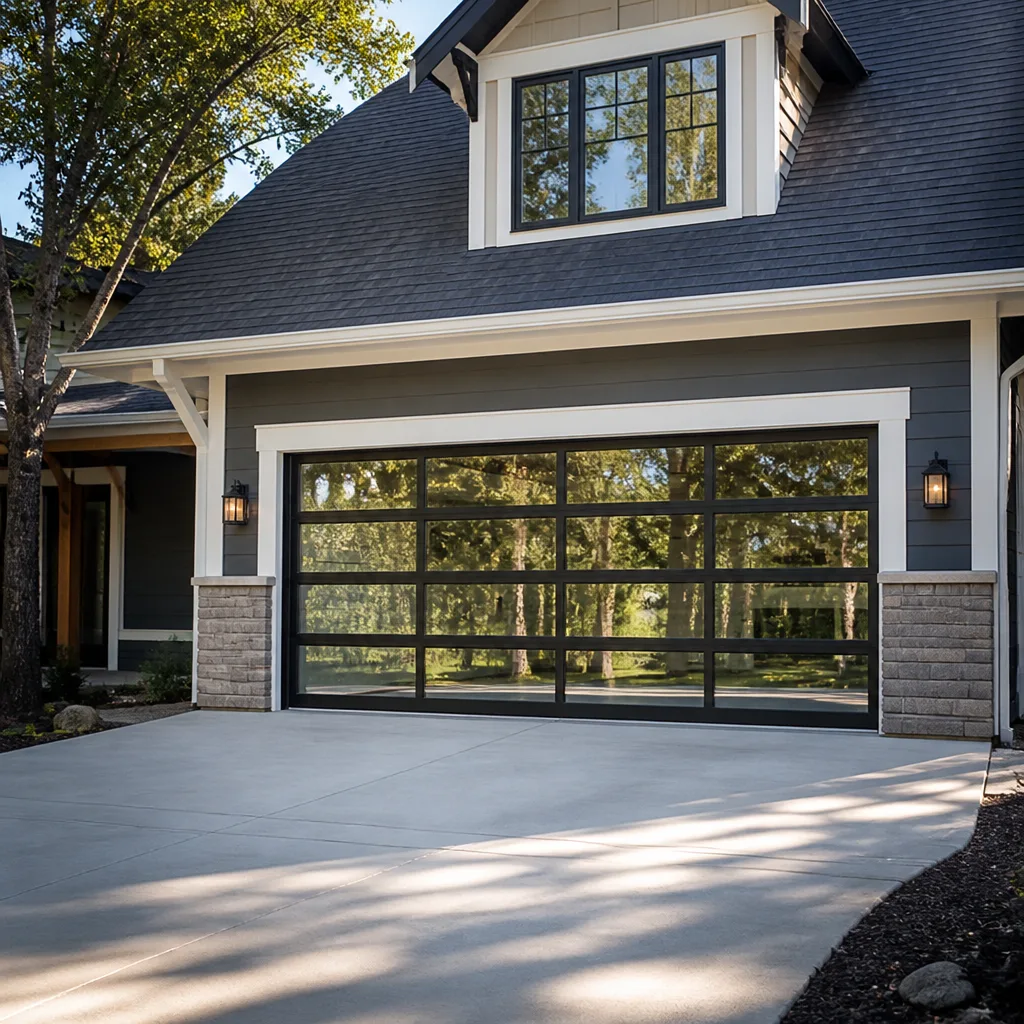 Full-view glass
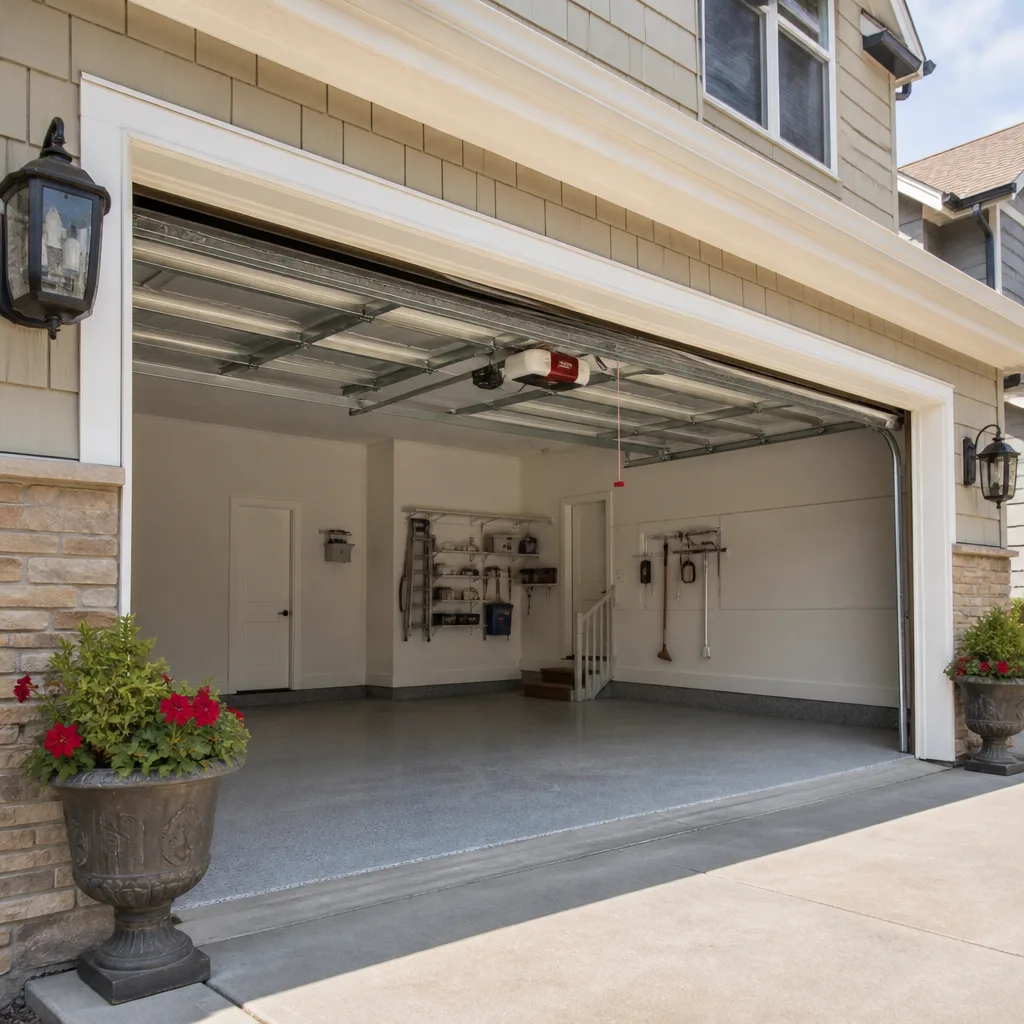 LiftMaster openers
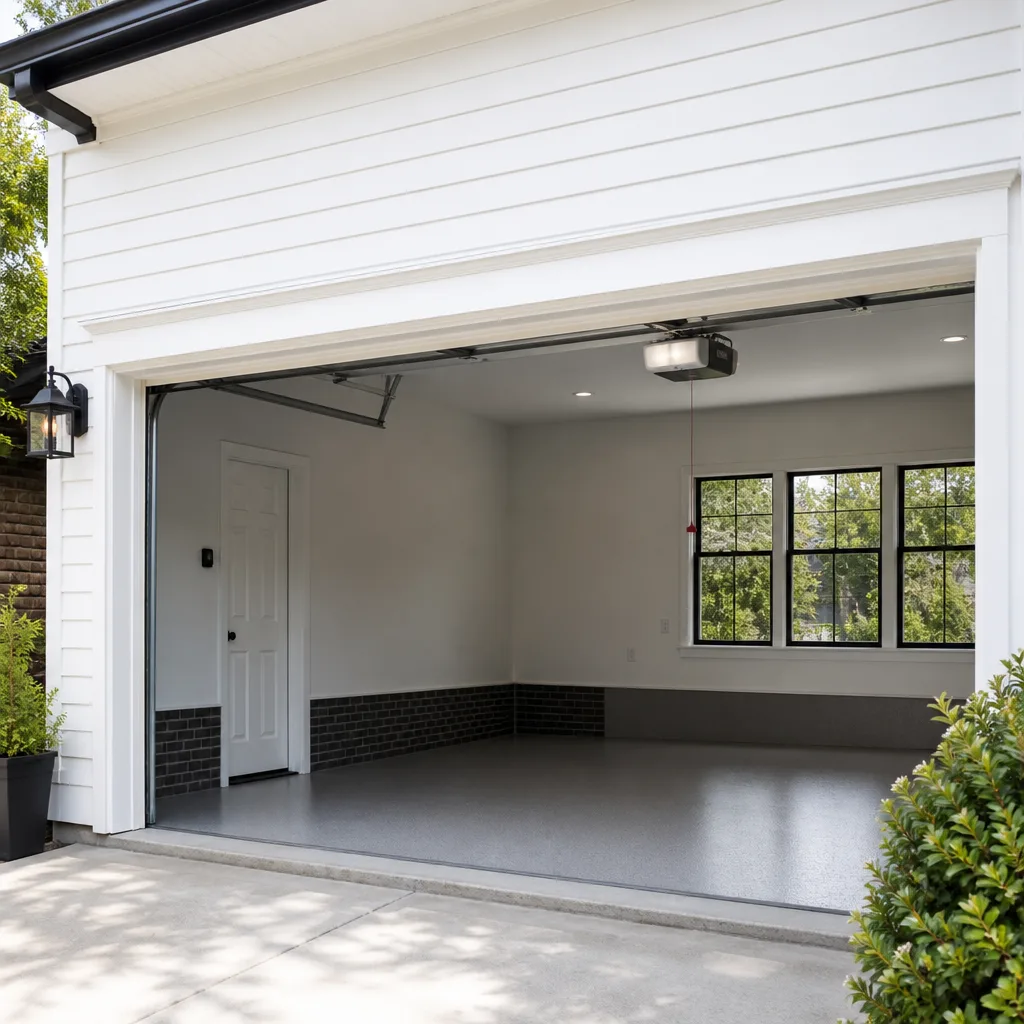 Chamberlain openers
Full 25-point door and opener safety check with every visit - springs, cables, rollers, tracks, and your LiftMaster or Chamberlain opener included
You get a price before we start. It does not change when the truck arrives.
Get your free estimateHow to Hire a Garage Door Contractor in Diamond Bar: A Step-by-Step Guide
Most homeowners in Diamond Bar don’t lose money on garage door work because the contractor was dishonest. They lose money because the contractor wasn’t actually trained on the brand of door hanging in front of them. A technician who “fixes garage doors” in a general way is guessing on roughly half of what he sees, and in our experience, three of the most common garage door “repairs” called in from the 91765 and 91789 area turn out to be misdiagnoses by someone who didn’t know the equipment. This guide gives you the exact questions to ask before anyone touches your door, what the answers mean, and how to verify you’re hiring a specialist who can fix what you already own. By the end, you’ll be able to separate a multi-brand technician from a generalist in about five minutes on the phone.
Styles & brands we work with
- Raised-panel steel
- Carriage house
- Modern flush
- Full-view glass
- LiftMaster openers
- Chamberlain openers
Quick Answer
To hire a garage door contractor in Diamond Bar, verify their California contractor license on the CSLB website, ask five diagnostic questions that reveal whether they understand the specific brand on your door, insist on an itemized written estimate before any work begins, and confirm they repair the door you have rather than pushing a replacement. A legitimate multi-brand specialist will answer your questions with specifics; a generalist will talk in vague reassurances.
Table of Contents
- Why License Verification Comes First in California
- The Five Diagnostic Questions to Ask Before Anyone Touches Your Door
- How to Read a Garage Door Quote: Itemized vs. One-Line Numbers
- Brand-Authorized Dealer vs. Multi-Brand Independent: What Actually Matters in Diamond Bar
- Red Flags Specific to the San Gabriel Valley Market
- The Hiring Process, Step by Step
- Common Mistakes to Avoid
- When to Call a Professional
- Frequently Asked Questions
- The Bottom Line
Why License Verification Comes First in California
California requires a C61/D28 specialty contractor license for garage door work, and there’s a reason this matters more here than in most states. The high-tension springs on a residential garage door hold enough force to cause serious injury if mishandled. When you hire an unlicensed crew operating out of a Craigslist ad, you’re not just risking a bad repair. You’re taking on liability for whoever gets hurt on your property. The Contractors State License Board (CSLB) exists specifically to give homeowners a way to verify that the person on the other end of the phone is legal, insured, and accountable. Ask for the license number. Then look it up. It takes ninety seconds. If the person hesitates, gives you a number that doesn’t match the name they gave, or says they “work under someone else’s license,” end the call. Diamond Bar is in Los Angeles County, and the unlicensed crew problem is real here. The SGV has a steady stream of operators who post ads without a license and disappear when the door fails again. A licensed contractor has a bond on file with the state, which gives you a path to recovery if something goes wrong. That bond isn’t a guarantee of good work, but it’s a guarantee that the person isn’t a ghost.
The springs are the sharpest example of why license verification matters for garage doors specifically. A garage door repair that involves winding a torsion spring is not the same category of risk as patching drywall. The license class exists because the state recognizes this as a skilled trade with a safety component. When a contractor is licensed, they’ve demonstrated minimum competence to the state. When they’re not, you have no idea what they know. For opener work, the stakes are different but still real: a miswired opener can damage the motor, yes, but it can also compromise the safety reversal system that stops the door if a child or pet is underneath. These are the things a licensed contractor has been tested on. It’s the single cheapest insurance policy you’ll ever buy, because it costs you nothing to check.
The Five Diagnostic Questions to Ask Before Anyone Touches Your Door
This is the part most guides skip. They tell you to check reviews and get three bids. Those matter, but they don’t tell you whether the person on the phone actually understands the equipment in your garage. These five questions do. Write them down. Ask every single contractor who quotes your job.
1. “What brand is my door, and what do you know about it?”
A specialist answers with specifics. They ask what you have, or they tell you what to look for to find the model. They talk about the hardware characteristics of Clopay versus Amarr or Wayne Dalton. They mention that Chamberlain and LiftMaster share a parent company, or that Raynor builds its own spring systems. A generalist says, “They’re all basically the same.” They are not. A technician who works on eight major brands every week knows that a torsion system on a Raynor does not behave like one on a Clopay, and that matters when diagnosing why a door is binding or a spring failed early. If the person can’t name at least three brands they routinely service without pausing, keep looking.
2. “Walk me through what you check when a door is noisy or binding.”
The answer should be a sequence: track alignment, roller condition, spring tension, hinge wear, opener force settings, balance. A real diagnostic process is methodical. A weak answer is “probably needs lubricant” or “might be the motor.” Noise in a garage door is rarely one thing. It’s an interaction of components, and diagnosing it requires checking them in order. When a contractor describes a process, they’re telling you they’ve actually diagnosed doors before. When they give you a guess, they’re telling you they plan to replace parts until the noise goes away, at your expense.
3. “If it’s a spring, will you replace both?”
If they say no, that’s a red flag. Springs wear in pairs. They’re installed at the same time and cycled the same number of times. When one breaks, the other is usually near the end of its service life. A contractor who suggests replacing only the broken spring is either cutting corners or doesn’t understand fatigue cycles. Either way, you’ll be paying for another service call months later. The same logic applies to cables and rollers: certain components are replaced in sets for a reason.
4. “Do you repair the opener or just replace it?”
This is the question that separates a repair-first company from a sales operation. A lot of crews make their money on installation, so they have a financial incentive to tell you the opener is dead when it isn’t. A dedicated garage door opener repair specialist fixes the motor, the logic board, the sensor wiring, the rail, and the WiFi module as separate components. If the answer is “we usually just put in a new one,” ask why. Sometimes a new opener is genuinely the right call, especially on a 20-year-old unit where parts are discontinued. But it should be a conclusion reached after diagnosis, not a default position. LiftMaster, Chamberlain, and Genie all have serviceable components. A contractor fluent in those platforms knows which failures are repairable and which aren’t.
5. “What’s your process if the same problem comes back in a month?”
Legitimate contractors answer this without flinching. They explain their labor warranty, their parts warranty, and what the call-back process looks like. A weak answer is a pause followed by “that basically never happens.” It happens. Doors are mechanical systems with moving parts, and occasionally a repair needs adjustment. The right answer includes a specific time window and a commitment to return at no charge. Contractors who stand behind their work don’t hesitate to describe how they stand behind it.
How to Read a Garage Door Quote: Itemized vs. One-Line Numbers
A legitimate written estimate tells you what you’re paying for. A one-line number tells you nothing, and in Diamond Bar, it’s the most common way a low quote becomes a high invoice. Here’s what to look for.
What an Itemized Estimate Includes
- Labor, separated from parts. You should see the labor cost for the work, broken out by task rather than lumped into a single figure.
- Specific part names, not vague categories. “Torsion spring, pair, 0.225 wire, 2-inch inside diameter” is an itemized part. “Springs” is a guess waiting to be adjusted upward.
- Quantity for every part. A pair of springs means two. A set of rollers means the number actually being replaced. If quantities aren’t listed, ask for them.
- Opener model number, if an opener is involved. You have a right to know whether you’re being quoted a Chamberlain B2405 or a generic “smart opener.”
- Disposal or haul-away, if a door is being removed. It’s a real cost. It should be listed, not discovered at the end.
What a One-Line Number Hides
“Garage door repair: $450” tells you nothing about what’s being repaired. It might be a fair price for a spring replacement. It might be a lowball that turns into $900 once the technician arrives and “finds” additional problems. The key phrase is that the price is quoted and agreed before any work starts. If someone won’t put the details in writing, the details will change. That’s not a Diamond Bar quirk; it’s how unscrupulous operators work everywhere. The estimate is your contract. If it’s vague, the contract is vague, and vague contracts favor the person writing them.
Prices here vary somewhat by neighborhood and by house age. Homes in the Country Estates and Diamond Point communities tend to have larger doors, sometimes custom, which changes parts pricing. Older homes near Diamond Bar Boulevard may have doors that are no longer in production, which affects parts availability. None of that changes the principle: a written quote with line items is the only quote that means anything.
Brand-Authorized Dealer vs. Multi-Brand Independent: What Actually Matters in Diamond Bar
There’s a persistent assumption that a “brand-authorized dealer” is automatically the better choice. For some products, that’s true. For garage doors, it’s more complicated, and the distinction matters a lot when you’re trying to repair what’s already on your house.
A brand-authorized dealer has a relationship with a manufacturer. That relationship typically comes with training on that brand’s products, access to proprietary parts, and sometimes exclusive sales rights in a territory. It also comes with an incentive: the dealer’s profitability depends, in part, on selling that brand. When your Clopay door has a problem, the Amarr dealer doesn’t much care about fixing it. They care about selling you an Amarr. That’s not dishonesty; it’s the structure of the arrangement.
A multi-brand independent like Harbor Garage Door Service works differently. We service LiftMaster, Chamberlain, Genie, Clopay, Amarr, Wayne Dalton, Craftsman, and Raynor; not because we sell all eight, but because Diamond Bar homeowners own all eight. When a technician’s income doesn’t depend on moving a particular manufacturer’s product, the recommendation about whether to repair or replace is driven by the condition of your door, not by inventory in a truck. The difference shows up most clearly in opener work. A Chamberlain dealer has an incentive to tell you your Genie opener is obsolete. A multi-brand technician working on Genie openers every week will simply tell you whether the motor is worth saving. Most of the time, it is.
This also matters for parts. A brand-authorized dealer can usually get OEM parts for their brand quickly. A multi-brand specialist has to maintain relationships across manufacturers, and the good ones do. Ask where parts come from. Ask whether they stock common parts locally. The answer tells you how long you’ll be waiting if a diagnosis turns into a repair.
Red Flags Specific to the San Gabriel Valley Market
- Craigslist or Facebook Marketplace listings with no company name. These are often unlicensed individuals working out of a pickup. They’re cheap, and they disappear.
- A quote that’s dramatically lower than the other two you received. If two contractors quote $350-$450 for a spring replacement and a third quotes $150, the third is either using substandard parts or planning to find more problems once on site.
- Pressure to decide “today.” A legitimate contractor quoting a garage door repair doesn’t need an answer in the next hour. Some urgency is real, especially if the door is stuck open, but high-pressure sales tactics on a repair call are a signal that the quote is about the contractor’s schedule, not your door.
- Refusal to provide a license number or references from the 91765 or 91789 area. Every legitimate contractor in Diamond Bar has done work for someone nearby. If they can’t name a neighborhood they’ve worked in recently, ask why.
- Cash-only pricing or payment before work begins. A deposit on an installation job is standard. Full payment upfront for a repair is not. Anyone who asks for it is telling you how they plan to operate.
- A technician who won’t show you the failed part. If a spring “broke” and the technician throws it in the truck without showing you the break, be suspicious. The same applies to opener components. A legitimate specialist is happy to show you exactly what failed and explain why.
- No written estimate, even for a small repair. The price is set per job by the written estimate. If you don’t have one, you don’t have an agreement; you have a hope.
The Hiring Process, Step by Step
Here’s the sequence we recommend to every Diamond Bar homeowner, in order:
- Identify the problem as specifically as you can. Note what happens: the door won’t open, it opens halfway, it’s noisy, the opener hums but nothing moves. Write down the brand of the door and opener if you can find it. This matters for the phone call.
- Make a shortlist of three contractors. Look for companies with a real web presence, a listed license, and a local phone number. Not an 800 number. Not a text-only contact. A company that has been working in Diamond Bar and the surrounding area will have reviews mentioning local streets and neighborhoods.
- Call each one and ask the five diagnostic questions. This is the filtering step. You’ll know within two minutes whether the person on the phone is a technician or a sales rep. A specialist answers questions directly. A generalist deflects.
- Verify the license. Go to the CSLB website and search the license number. Confirm the name on the license matches the name on the estimate. Confirm the license class includes garage doors.
- Get a written, itemized estimate. Insist on it. If the contractor won’t provide one before starting work, you’re hiring the wrong contractor. The estimate should be detailed enough that another contractor could understand exactly what’s being done.
- Compare the estimates, but not just the totals. Look at the parts being proposed. A cheap quote with generic parts is worse than a slightly more expensive quote with OEM components. Look at the labor breakdown. Look at the warranty language.
- Confirm the work order before the technician starts. When the technician arrives, have them confirm that the work matches the estimate. If they find additional issues, they should stop and provide a revised estimate before proceeding. Any contractor who just “fixes extra things” and bills you for them is not operating in good faith.
- Test the door thoroughly before the technician leaves. Open and close it several times. Listen for noise. Watch the balance. Check the safety reversal if the opener was touched. Ask questions about anything you don’t understand. A good technician expects this and welcomes it.
Common Mistakes to Avoid
- Hiring based on price quote alone. The cheapest quote is often the most expensive one if the work fails or the parts are substandard. Diamond Bar has a wide range of contractors, and the pricing spectrum exists for a reason.
- Skipping license verification because “the guy seemed nice.” Nice doesn’t matter. Licensed matters. The CSLB check is free and takes less time than reading this section.
- Accepting a diagnosis without asking what was checked. You have a right to know what the technician examined and what they found. A vague explanation is a sign that the diagnosis was superficial.
- Replacing an opener when the problem is the sensor. This happens more often than it should. Sensor misalignment is one of the most common causes of a door that won’t close, and it’s a two-minute fix. A contractor who suggests a new opener without checking the sensors isn’t diagnosing.
- Ignoring door balance because “it works fine.” A door that’s slightly out of balance puts extra strain on the springs and the opener. Over time, that strain shortens component life. A good contractor checks balance on every visit.
- Not asking about warranty terms before the work starts. Warranty terms should be in writing on the estimate. If they aren’t, assume there’s no meaningful warranty.
- Paying a deposit for a repair job. Deposits are for installations with custom parts on order. A repair uses parts off the truck, and payment happens when the work is done.
When to Call a Professional
Any repair involving the high-tension springs or cables should always be handled by a trained technician. These components are under enough force to cause serious injury, and the tools and techniques required are not intuitive. Opener work involving the motor, logic board, or wiring should also go to a professional, both for safety and because modern openers with smart-home integration are easy to damage with incorrect voltage or polarity. If the door is visibly binding, sagging, or making a grinding sound, stop using it and schedule a diagnosis. The longer a mechanical problem runs, the more expensive the repair becomes. Harbor Garage Door Service offers free estimates in Diamond Bar; call (833) 620-0390. We answer 24/7. Fast dispatch from 7am to 7pm, Sunday through Friday.
Frequently Asked Questions
Ask for the contractor’s license number and verify it on the California Contractors State License Board website. The license should show an active status and a classification that covers garage doors, typically C61/D28. The name on the license should match the name on the estimate and the company doing the work.
That depends on the condition of the door, the cost of the repair, and the age of the system. A repair-first approach means exhausting repair options before recommending replacement. If the door itself is structurally sound and the opener is serviceable, a repair usually makes more sense than a replacement. A good contractor will show you the failed component and explain why a repair does or doesn’t make sense for your specific door.
Spring pricing depends on the spring type, wire size, and whether you’re replacing a single spring or a pair. A matched pair is typically replaced together since springs wear at the same rate. The written estimate will set the final price, and the price is agreed before any work starts. Call (833) 620-0390 for a free estimate on your specific door.
Same-day service is common for repair calls when a technician is available. We answer 24/7. Fast dispatch from 7am to 7pm, Sunday through Friday. A call outside dispatch hours is booked into the next opening.
The price is quoted and agreed before any work starts. If the technician finds an additional issue during the course of the repair, they should stop and provide a revised estimate before proceeding. A legitimate contractor doesn’t add charges without your knowledge.
Most common garage door components; springs, cables, rollers, hinges, sensors, and opener logic boards; are stocked on service vehicles so that a repair can typically be completed in one visit. If a specialized part for an uncommon door needs to be ordered, the contractor should tell you upfront and include that timeline in the estimate.
The San Gabriel Valley has a high volume of garage door work relative to population because of the density of single-family homes, and that demand attracts unlicensed operators. These crews advertise on Craigslist and Marketplace with low prices and no traceable company name. Verifying a license before scheduling is the single most effective way to avoid them.
The Bottom Line
Hiring a garage door contractor in Diamond Bar is not about finding the lowest price or the company with the biggest ad. It’s about finding someone who understands the equipment you own, verifies their license, puts a real estimate in writing, and answers diagnostic questions with specifics rather than generalities. The five questions in this guide will filter out most bad hires in a single phone call. Verify the license. Read the estimate line by line. Choose a multi-brand specialist who repairs before recommending replacement. Do those things, and the odds of a good outcome rise dramatically. Skip them, and you’re trusting the door that protects your cars and your home to someone who might be learning on yours.
Written by the team at Harbor Garage Door Service, serving Diamond Bar since 2014.
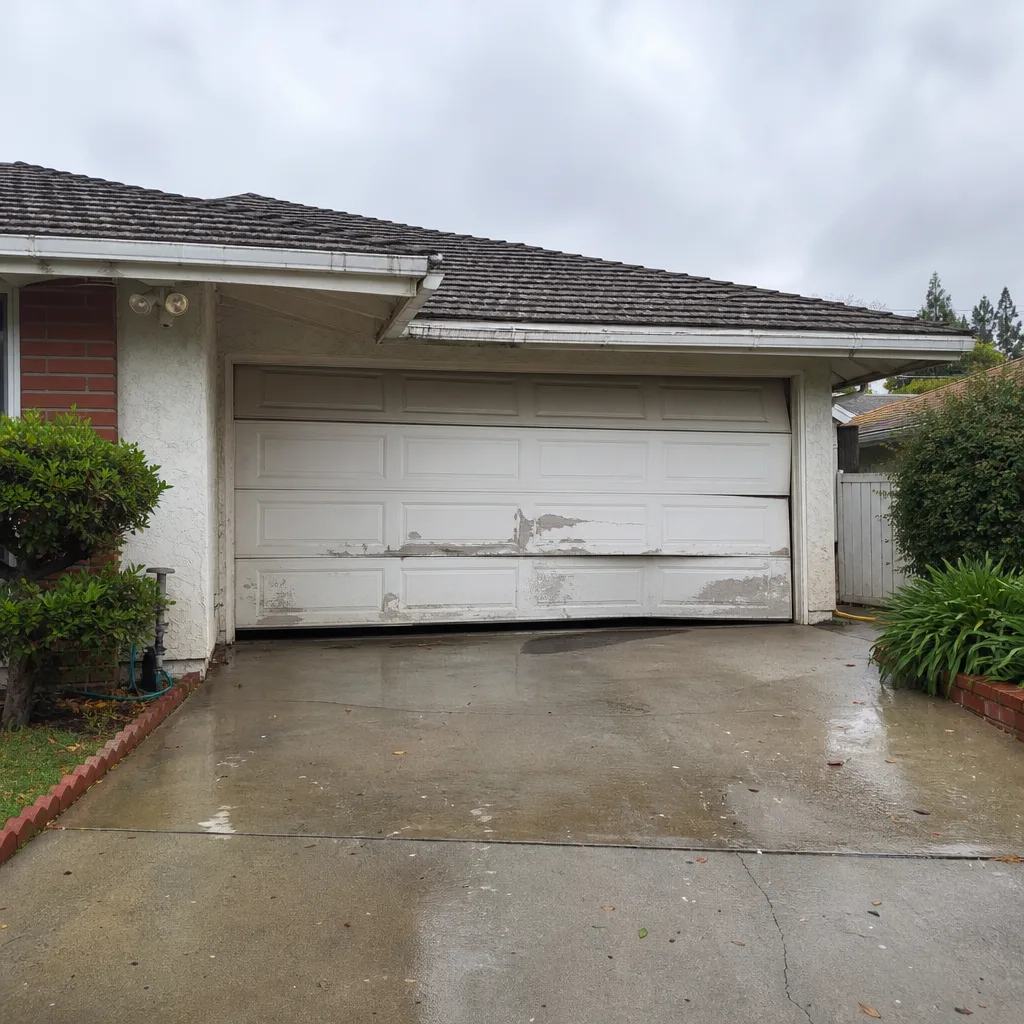
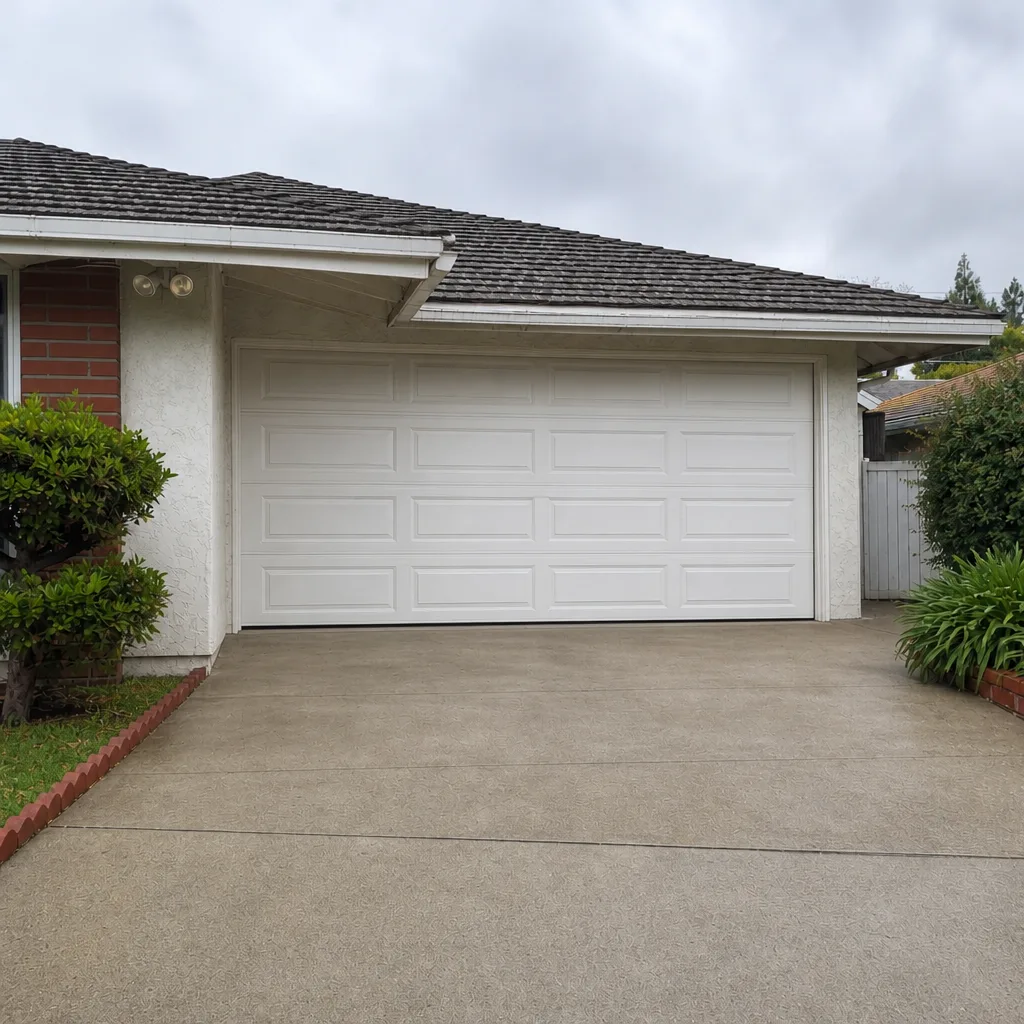
See the difference
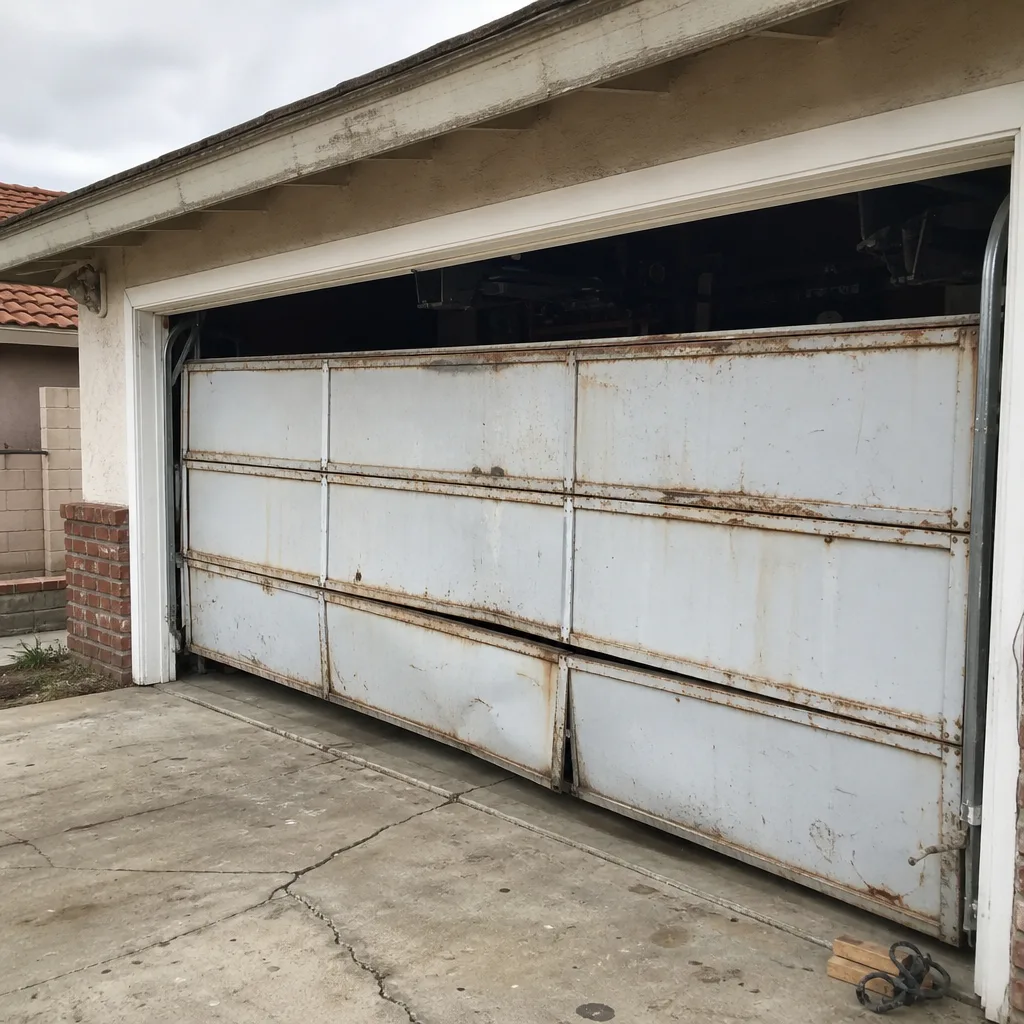 Before
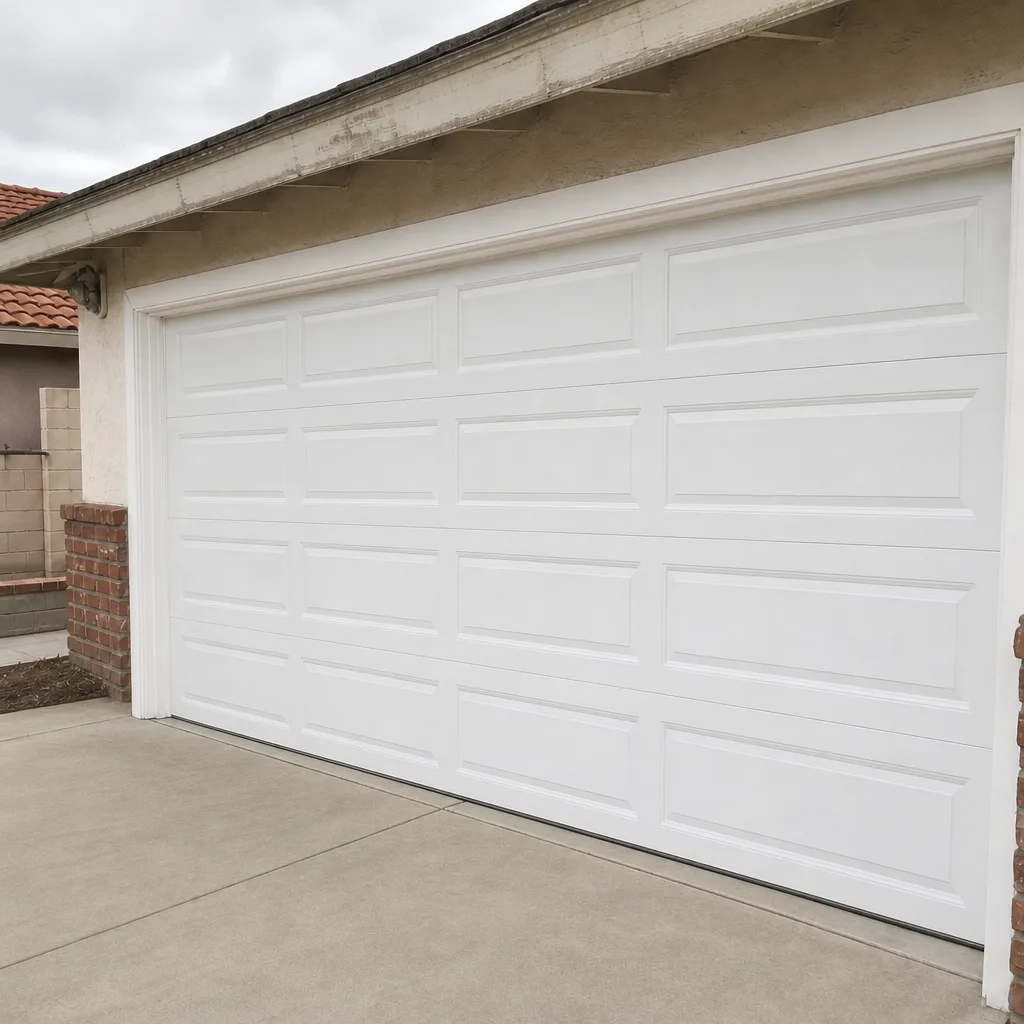 After
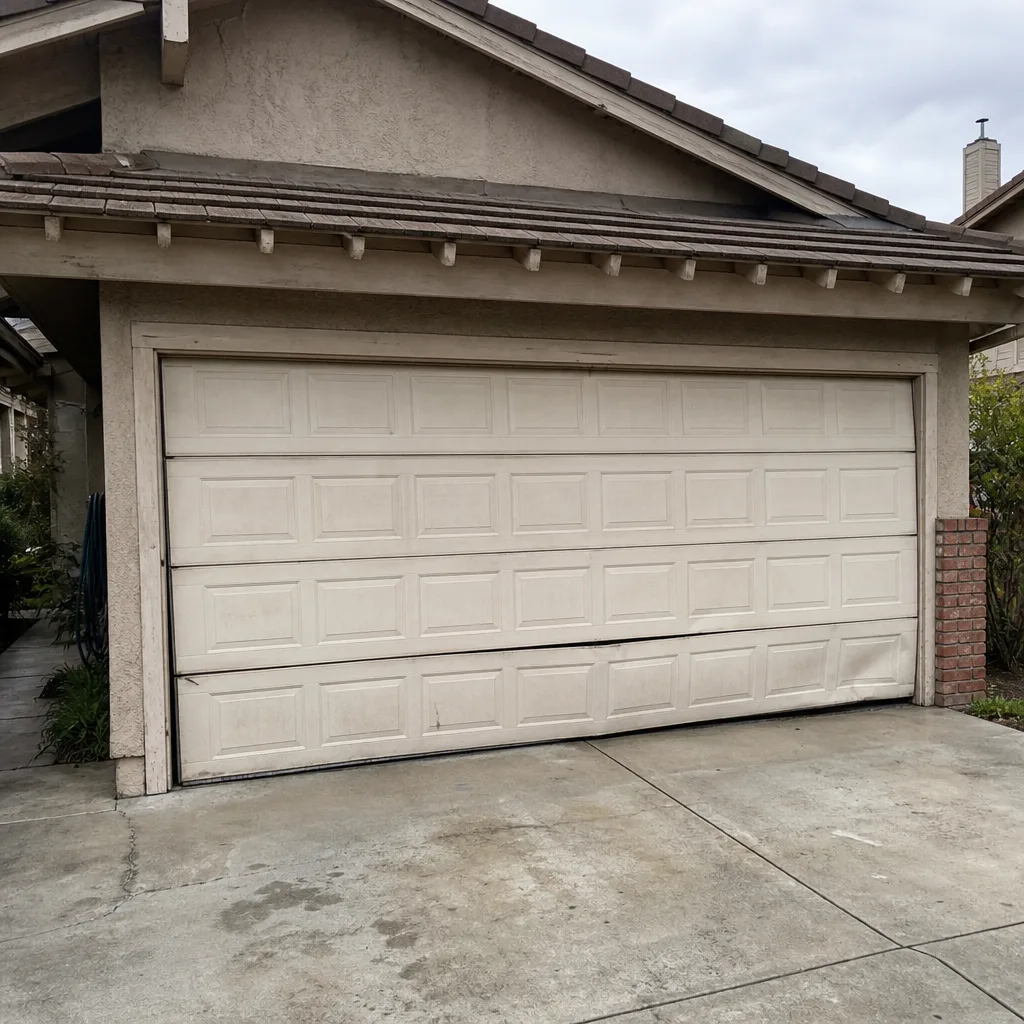 Before
 After
 Before
 After