
Last updated November 4, 2026
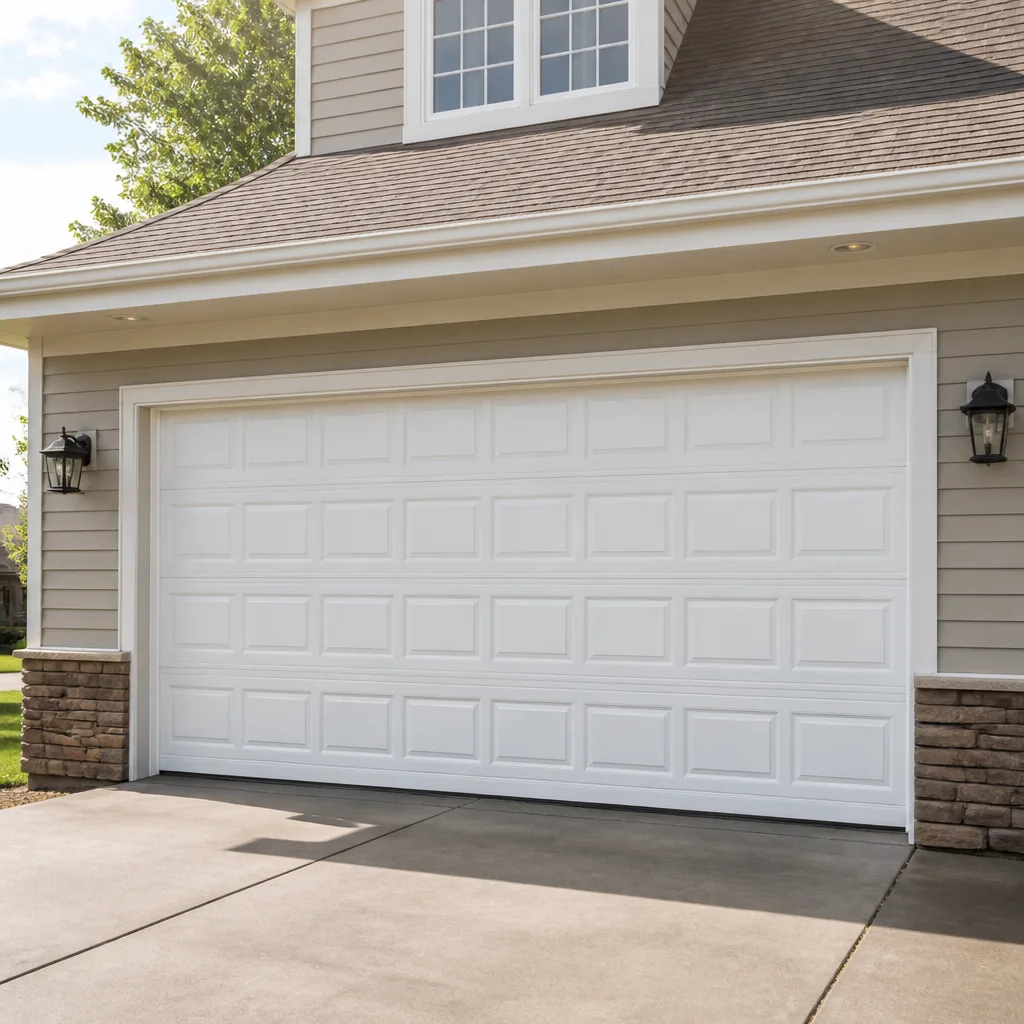 Raised-panel steel
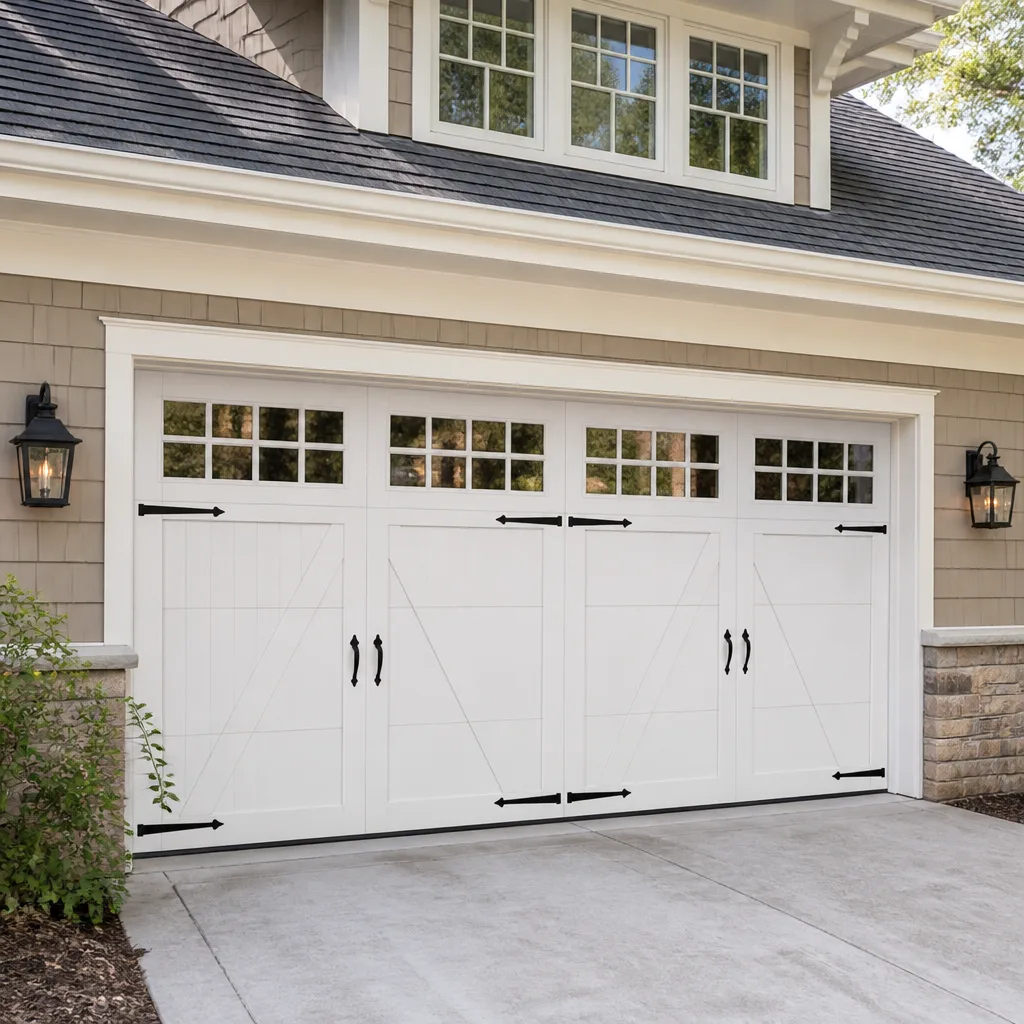 Carriage house
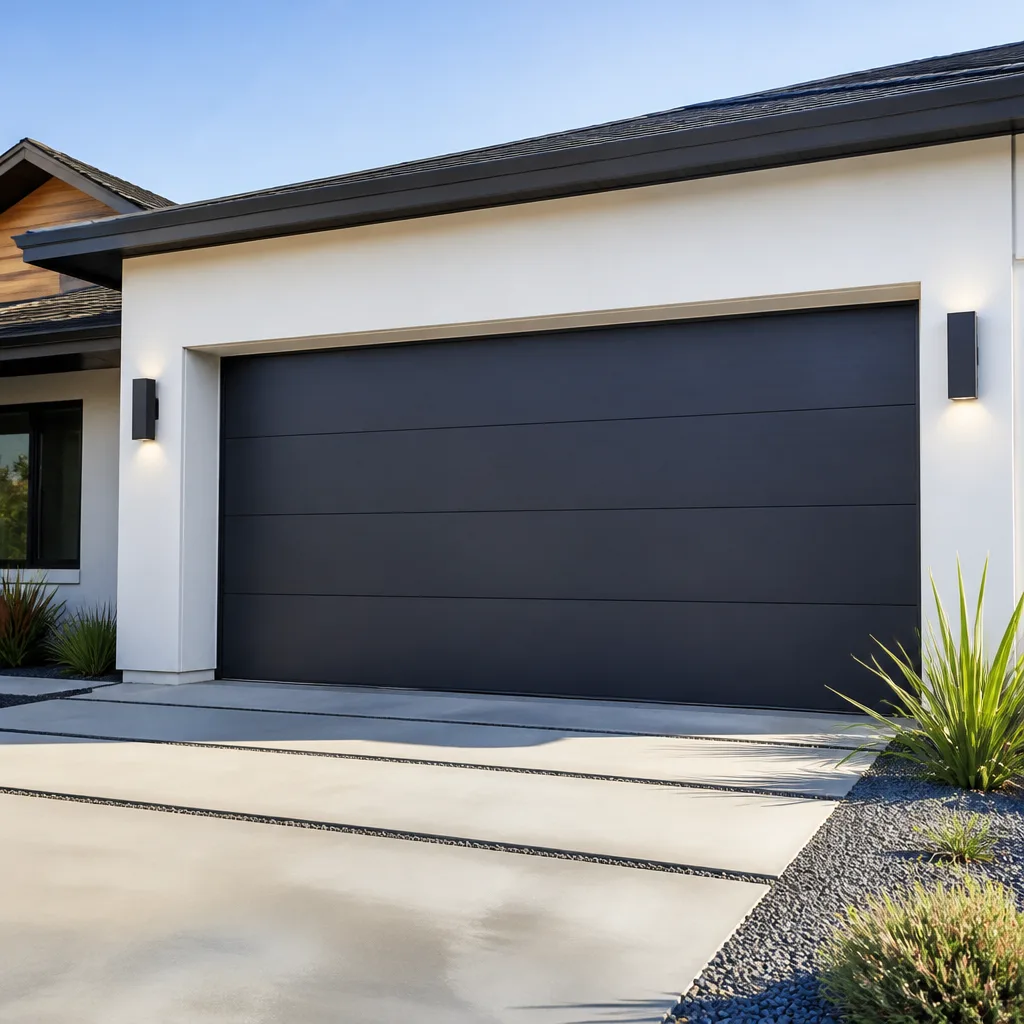 Modern flush
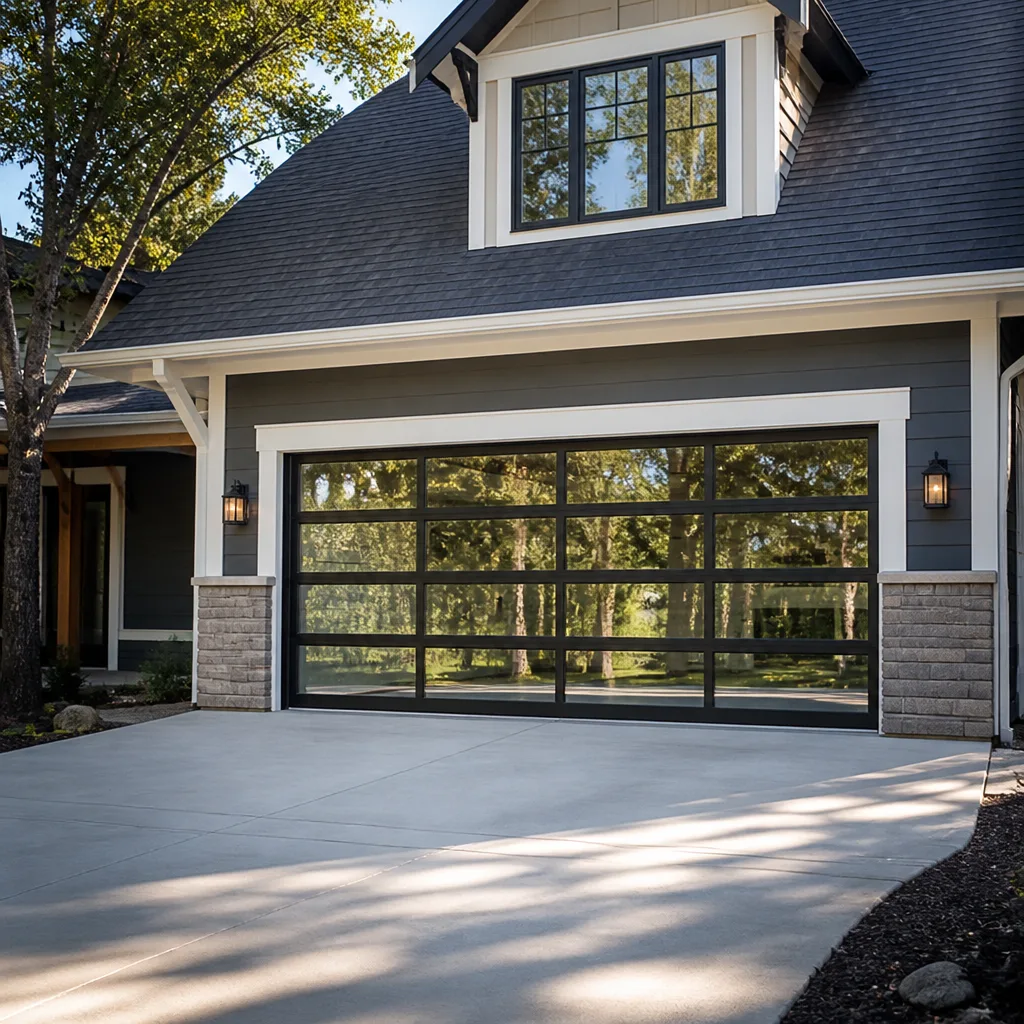 Full-view glass
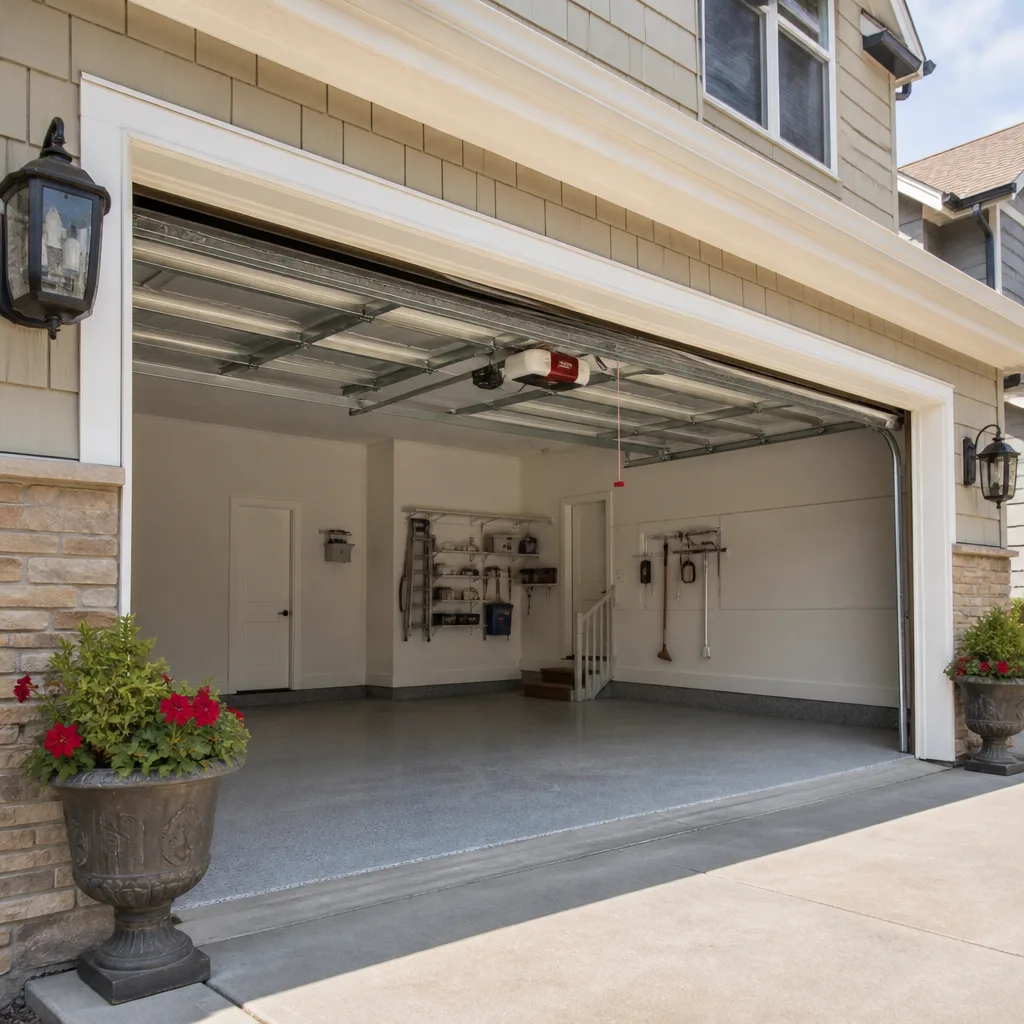 LiftMaster openers
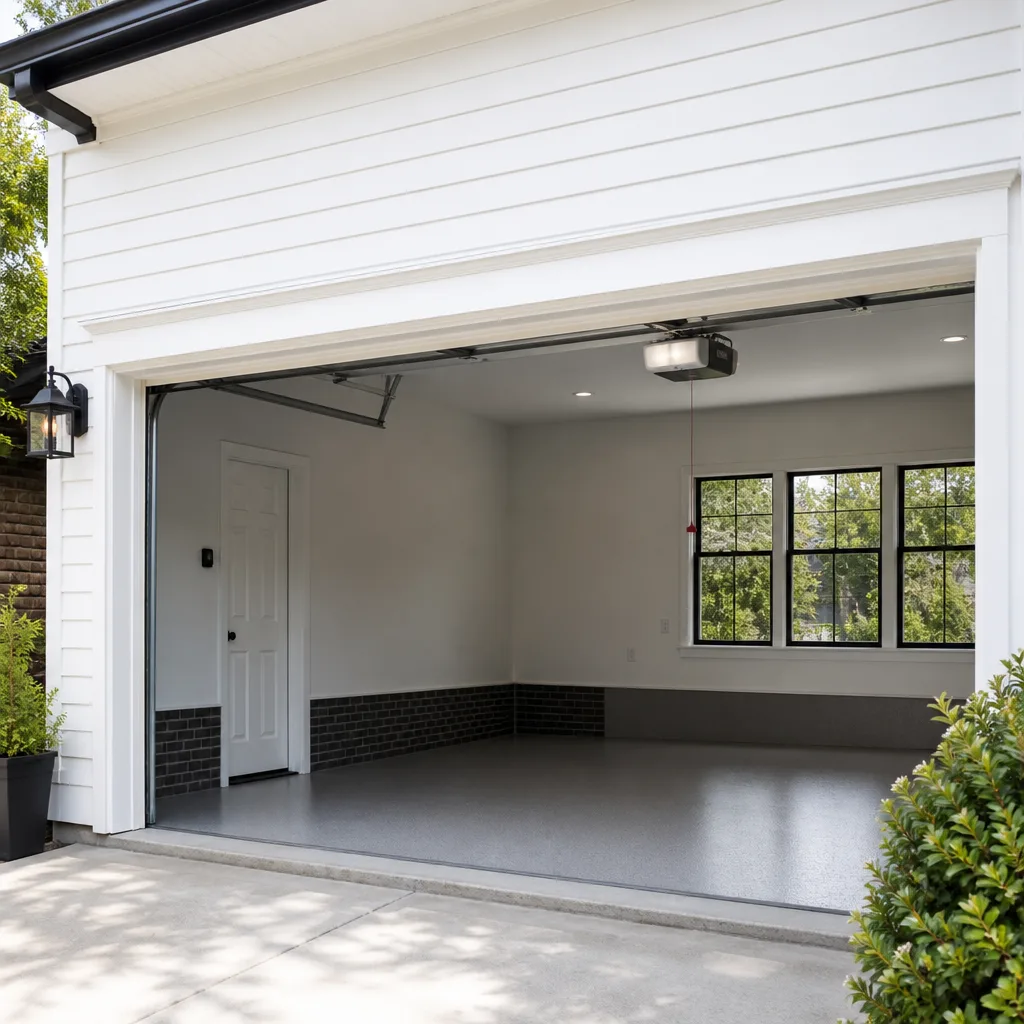 Chamberlain openers
Full 25-point door and opener safety check with every visit - springs, cables, rollers, tracks, and your LiftMaster or Chamberlain opener included
You get a price before we start. It does not change when the truck arrives.
Get your free estimateThe Complete Guide to Garage Doors in Diamond Bar
Most Diamond Bar homeowners discover their garage door was the wrong choice for their property only after the first summer heat wave warps the panels or the HOA sends a violation notice. The city’s mix of hillside lots, planned communities, and dry inland heat creates conditions that a generic national guide simply never addresses. This guide covers what actually matters here: how the 91765 and 91766 zip codes shape door choices, what the heat does to different materials, how hillside driveways affect spring and weight requirements, and what repair, opener work, and replacement really cost in Diamond Bar. You’ll leave with a working knowledge of your door system and a clear sense of when to fix it and when to replace it.
Quick Answer
A garage door in Diamond Bar needs to handle three local realities: steep driveway grades that change how your door balances, Inland Empire summer heat that ages certain materials faster than others, and HOA rules in communities like Tres Hermanos that restrict colors and styles. Repair work on the eight major brands we service typically runs $120 to $550 depending on the component, while a full replacement in Diamond Bar usually lands between $1,400 and $3,800 installed. The right door for your home depends on your lot, your HOA, and how long you plan to stay.
Styles & brands we work with
- Raised-panel steel
- Carriage house
- Modern flush
- Full-view glass
- LiftMaster openers
- Chamberlain openers
Table of Contents
- How Diamond Bar’s Climate Affects Garage Doors
- Hillside Driveways and Door Weight Ratings
- HOA Color and Material Rules in Diamond Bar
- Brand Availability in the 91765 and 91766 Zip Codes
- What Repair Work Actually Costs in Diamond Bar
- Garage Door Opener Repair: When to Fix vs. Replace
- New Installation: What a Replacement Costs
- The Full Lifecycle: Repair, Tune-Up, and Replacement
How Diamond Bar’s Climate Affects Garage Doors
Diamond Bar sits in the San Gabriel Valley’s inland corridor, where summer temperatures routinely climb into the 90s and stay there for weeks. That sustained dry heat is the single biggest environmental factor affecting your garage door. It does not freeze here, so you will not deal with thermal contraction cracking seals or snow load on panels. What you will deal with is heat that softens and warps thinner steel panels, degrades rubber weatherstripping faster than coastal areas, and puts extra strain on springs that are already under tension.
Steel doors with polyurethane insulation hold up better in this climate because the insulation layer adds rigidity that resists warping. Thin, non-insulated steel panels are the ones we’ve seen bow out of square after a few hot seasons, especially on west-facing garages that catch direct afternoon sun. Composite doors and fiberglass handles the heat differently: they resist warping but can fade faster under constant UV exposure. Wood doors look beautiful in Diamond Bar’s foothill setting, but they demand real maintenance here. The dry heat pulls moisture from the wood, leading to cracks and finish failure if the door is not resealed regularly.
What this means practically: if you are choosing a new door for a Diamond Bar home, factor in sun exposure and material thickness before you look at style. A door that holds up in a coastal Los Angeles neighborhood may not be the right door for a hillside lot that bakes all afternoon.
Hillside Driveways and Door Weight Ratings
Diamond Bar is a hill town more than most people realize. Neighborhoods climb the ridges around the 60 and 57 freeways, and many homes are built on graded slopes with driveways that angle up or down from the street. That grade matters for your garage door system in ways that flat-lot homeowners never think about.
When a garage door sits at the top of a sloped driveway, the door’s weight distribution changes slightly. More importantly, the opening faces weather and wind differently than a door on a flat street. A door on an uphill lot often faces prevailing winds, which puts lateral pressure on the tracks and rollers. A door on a downhill lot may sit lower than the street grade, which affects drainage and how much dust and debris blows into the track system during Santa Ana wind events.
For spring tension, the calculation is always about door weight and height, not driveway slope directly. But the practical effect of a hillside lot is that you want a technician who checks balance on your specific door, in your specific opening, rather than relying on a chart. A door that is slightly out of balance on a flat lot might hang in there for years. The same door on a sloped driveway where the opener motor works harder against gravity will burn out springs and gears faster.
We service doors on hillside lots throughout Diamond Bar, and the pattern is consistent: doors that get regular balance checks and spring adjustments last longer here than doors that are ignored until they stop moving.
HOA Color and Material Rules in Diamond Bar
Diamond Bar has some of the highest HOA density in eastern Los Angeles County. Communities like Tres Hermanos, Diamond Canyon, and the Country Estates all maintain architectural guidelines that affect what you can put on your garage. If you are replacing a door, you need to check your CC&Rs before you pick anything.
The most common restrictions we see in Diamond Bar HOAs:
- Color: Many HOAs restrict garage door colors to a palette that matches the home’s trim or a neutral range. A bright red or blue door that would be fine elsewhere may get you a violation notice here.
- Material: Some planned communities require specific material types, especially in neighborhoods where a uniform look is enforced. A wood-look steel door often passes where a real wood door would not be approved, or vice versa.
- Window placement: Garage door windows are a frequent HOA sticking point. Some neighborhoods allow them only on certain elevations or require obscured glass.
- Style: Carriage-house style doors are popular in Diamond Bar’s foothill neighborhoods, and some HOAs require that style for new installations.
If you are unsure what your HOA allows, ask your management company for a copy of the architectural guidelines before you spend money. Replacing a door that gets flagged after installation is an expensive mistake. A good installer will ask about your HOA early in the process and factor any restrictions into the recommendation.
Brand Availability in the 91765 and 91766 Zip Codes
Diamond Bar homes carry a mix of garage door brands, and that mix matters when you need parts or service. The 91765 zip covers much of the northern and western portions of the city, while 91766 covers the south and east. Both areas have homes from several building eras, from 1960s ranch-style houses up through 1990s and 2000s planned developments, and each era brought different door brands with it.
The brands we work on most often in Diamond Bar include LiftMaster, Chamberlain, Genie, Clopay, Amarr, Wayne Dalton, Craftsman, and Raynor. That breadth matters because parts availability and service coverage are not the same for all brands. A Craftsman opener from a 1990s home and a new LiftMaster smart opener have almost nothing in common mechanically, and a technician who only knows one brand will not diagnose the other correctly.
What we have seen in Diamond Bar specifically: Wayne Dalton doors show up frequently in homes built in the 1980s and 1990s, and their torsion spring systems are different enough from other brands that a generic operator who does not work on Wayne Dalton regularly will misdiagnose them. Craftsman openers are common in older Diamond Bar homes, and while the brand was sold off and discontinued as a new product, the installed base is still large enough that parts knowledge matters. LiftMaster dominates the newer and replacement market, especially in Diamond Bar’s larger homes where belt-drive openers and smart-home integration are expected. Raynor is less common here but shows up enough in custom builds that fluency with the brand saves homeowners from being told they need a full replacement when a panel or spring is all that is wrong.
If you own a brand we have not named here, that does not mean it cannot be serviced. But the eight brands above cover the overwhelming majority of what is installed in Diamond Bar, and knowing that helps you understand why some contractors push a full replacement when a repair would do.
What Repair Work Actually Costs in Diamond Bar
Repair pricing in Diamond Bar follows Southern California market rates, with some variation based on the component and your specific door. We quote every job before work starts, so you know the number before anything is touched. Here are the typical ranges we see for the most common repairs in this area.
| Repair Type | Typical Range | Notes |
|---|---|---|
| Spring replacement (one spring) | $180 – $340 | A matched pair is usually replaced together |
| Cable replacement | $150 – $280 | Often done with spring work |
| Roller replacement | $120 – $220 | Nylon rollers are quieter and last longer |
| Track realignment | $130 – $250 | Common after years of hillside settling |
| Opener motor replacement | $280 – $550 | Depends on drive type and brand |
| Sensor repair or replacement | $100 – $180 | Involves safety reverse system |
| Panel replacement | $250 – $700 | Varies by material and size |
These are estimates. Your written quote sets the final price, and the quote is agreed before we start. Two things push repair costs in Diamond Bar higher than in flatter, cooler cities: hillside-driveway doors that have been working against gravity for years tend to have multiple worn components by the time something breaks, and the heat accelerates seal and weatherstripping wear, which means more secondary repairs during a single visit. The upside is that a repair-first approach usually gets your door working again for a few hundred dollars rather than a few thousand.
Learn more about how we approach garage door repair in Diamond Bar.
Garage Door Opener Repair: When to Fix vs. Replace
Garage door openers fail in patterns, and knowing the pattern tells you whether to repair or replace. A motor that hums but does not move the door is often a gear or sprocket failure inside the opener head, and that is usually repairable. A door that reverses immediately after touching the floor is a limit setting or sensor issue, also repairable. A motor that is dead silent when you press the remote usually means a logic board failure, and at that point replacement starts to make more sense than repair.
Here is the step-by-step we walk through on an opener call in Diamond Bar:
- Check the power source and breaker, because a surprising number of callbacks are just a tripped circuit.
- Test the wall button and remote separately to isolate whether the problem is the opener or the control.
- Check the safety sensors at the bottom of the track, which get knocked out of alignment more often on sloped driveways where cars pull in at an angle.
- If the motor runs but the door does not move, inspect the drive gear or belt inside the opener head.
- If the logic board is dead, price a replacement board against a new opener unit, because the labor is the same and the warranties are not.
Smart openers, which are common in newer Diamond Bar homes, add another layer. WiFi connectivity problems are often a router distance issue rather than an opener fault. Battery backup openers have a battery that wears out after a few years and is replaceable. If you have a smart opener and it has stopped responding to your phone, the fix is frequently a simple reprogramming rather than any mechanical work.
Our garage door opener repair service covers the full range of these issues, from basic motor systems to smart-home integration.
New Installation: What a Replacement Costs
A full garage door replacement in Diamond Bar is a measured, ordered, and scheduled job. There is no same-day installation here, and if a contractor promises one, be suspicious. The door is built to your opening size, your material choice, and your insulation spec, then installed on a day that makes sense for you and the crew.
Here are the typical installed price ranges we see for new doors in Diamond Bar:
- Basic steel, single car: $1,400 – $2,200 installed
- Insulated steel, double car: $1,800 – $2,800 installed
- Wood-look or carriage-house steel, double car: $2,200 – $3,400 installed
- Composite or fiberglass, double car: $2,400 – $3,800 installed
- Solid wood custom, double car: $3,200 – $6,000+ installed
These are typical ranges, not fixed quotes. Your written estimate sets the number. What pushes a Diamond Bar installation toward the higher end of a range: steep driveway access that makes the old door removal more labor-intensive, HOA-mandated styles that require specific manufacturers, and high-wind areas on ridge lines that call for reinforcement struts. What keeps it lower: a standard single-car door in a mid-century flat-lot neighborhood, which is the simplest install in the area.
When you are choosing a new door, the decision order that serves Diamond Bar homeowners best is: material first for heat performance, insulation second for energy and noise, then style and color to meet HOA requirements and your own taste. Guessing wrong on material costs you far more over the life of the door than any style upgrade.
The Full Lifecycle: Repair, Tune-Up, and Replacement
A garage door is not a single component. It is a system: the door panels, the springs and cables, the tracks and rollers, and the electric opener. Understanding the lifecycle of each part tells you what to budget for and when.
Springs last roughly 7 to 10 years in normal use, and somewhat less in Diamond Bar’s heat because the metal fatigues faster in sustained high temperatures. Cables usually follow the springs. Rollers last 5 to 12 years depending on whether they are steel or nylon. The door panels themselves can last 20 to 30 years if the door is well-maintained, though heat warping can shorten that on thin steel panels. Openers last 10 to 15 years on average, with logic boards and gears being the usual failure points.
The practical takeaway: the hardware replaced on a repair is not the same thing as the door replaced on an installation. A repair addresses a component. An installation addresses the whole system. A tune-up sits between them, and for a Diamond Bar door that has gone years without attention, a tune-up often prevents a more expensive repair later.
What we recommend is a lifecycle mindset rather than a reactive one:
- Have the door balance checked when you notice it opening slower or noisier than it used to.
- Replace springs in matched pairs when one fails, because the second is close behind.
- Do not wait for a cable to snap before replacing it. Frayed cables are visible on inspection.
- If the door is over 20 years old and needs a spring, cable, and panel work all at once, start comparing that total against a new door.
- When the opener fails on a door that old, think about replacing both together rather than repairing one and replacing the other a year later.
That sequence keeps you from spending repair money on a door that was nearing the end of its life anyway, and it keeps you from replacing a door that only needed a $200 spring.
Common Mistakes to Avoid
- Picking a door color before checking HOA rules. Many Diamond Bar communities have restricted palettes, and a door that violates the guidelines must be repainted or replaced at your expense.
- Choosing the thinnest steel panel to save money. Diamond Bar’s summer heat warps thin, non-insulated steel faster than almost any other environment in the region. The savings disappear in panel replacement costs.
- Replacing one spring instead of the pair. Springs wear together, and the second one is not far behind the first. Doing one at a time means paying for two service visits.
- Ignoring a slow or noisy door. A door that fights the opener on a hillside driveway is burning through motor gears. The longer you wait, the more expensive the repair.
- Buying a new opener for a problem caused by a broken spring. The motor burns out trying to lift a door that the spring is no longer counterbalancing. Fix the spring, then see if the opener still has a problem.
- Replacing an old door without checking the opener compatibility. A heavier new door may be too much for an old opener’s lifting capacity, especially on Diamond Bar’s sloped lots where the motor works harder.
- Skipping a maintenance check after moving into an older Diamond Bar home. You inherit the previous owner’s deferred work. A balance and spring inspection in the first few months is cheap insurance.
See the difference
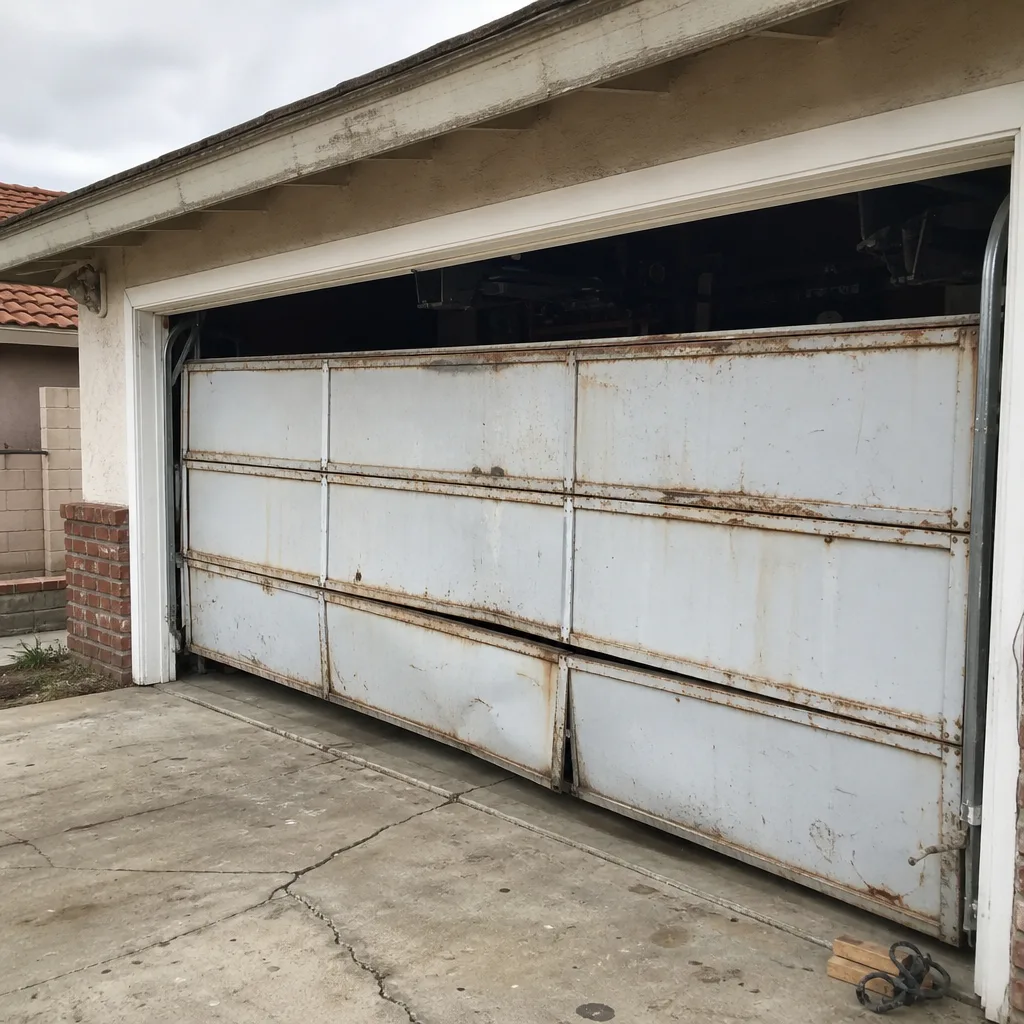 Before
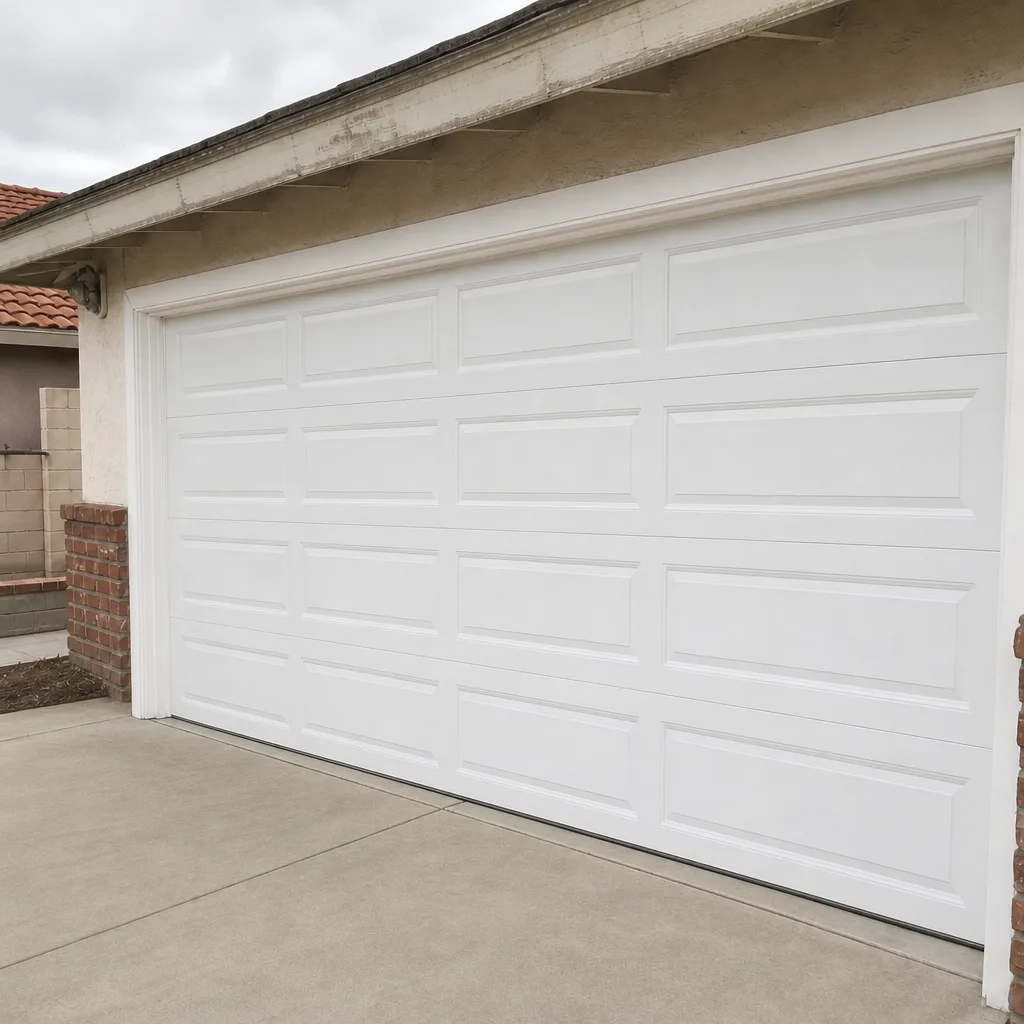 After
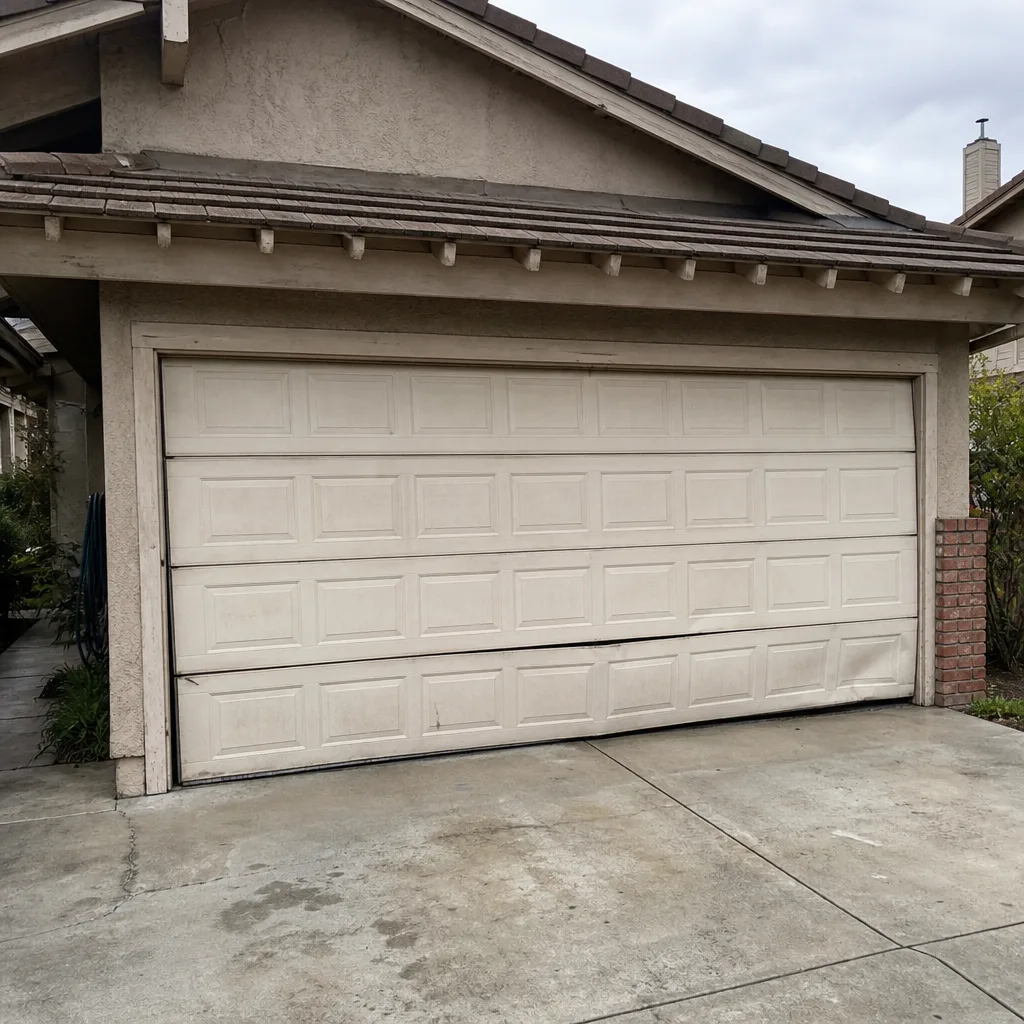 Before
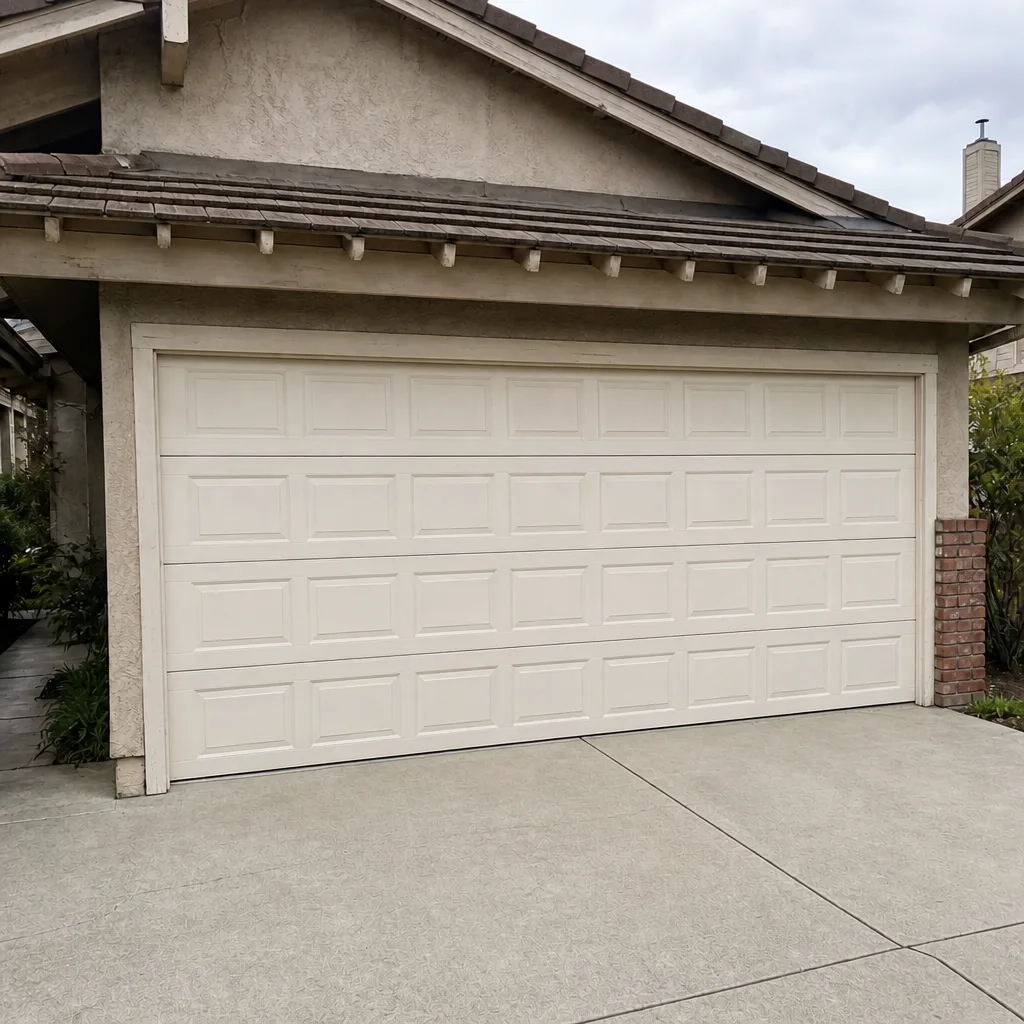 After
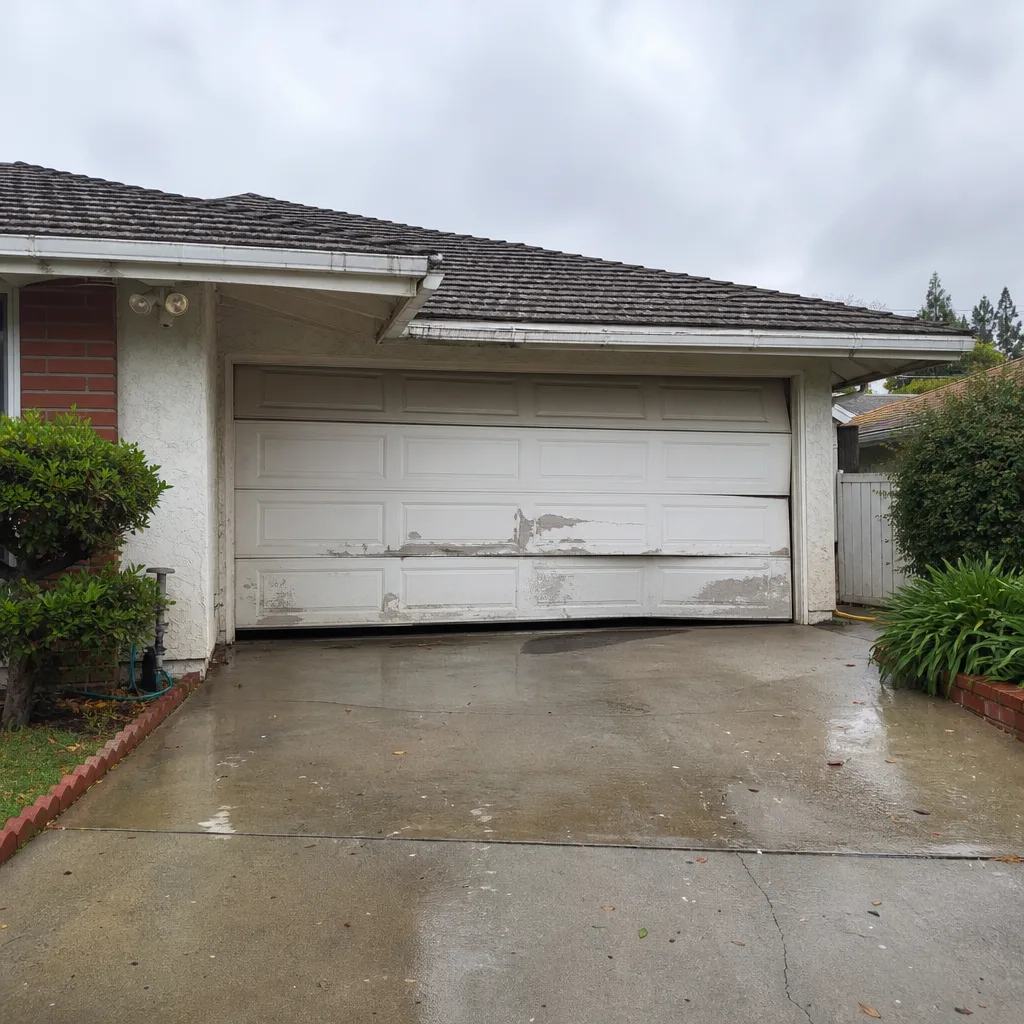 Before
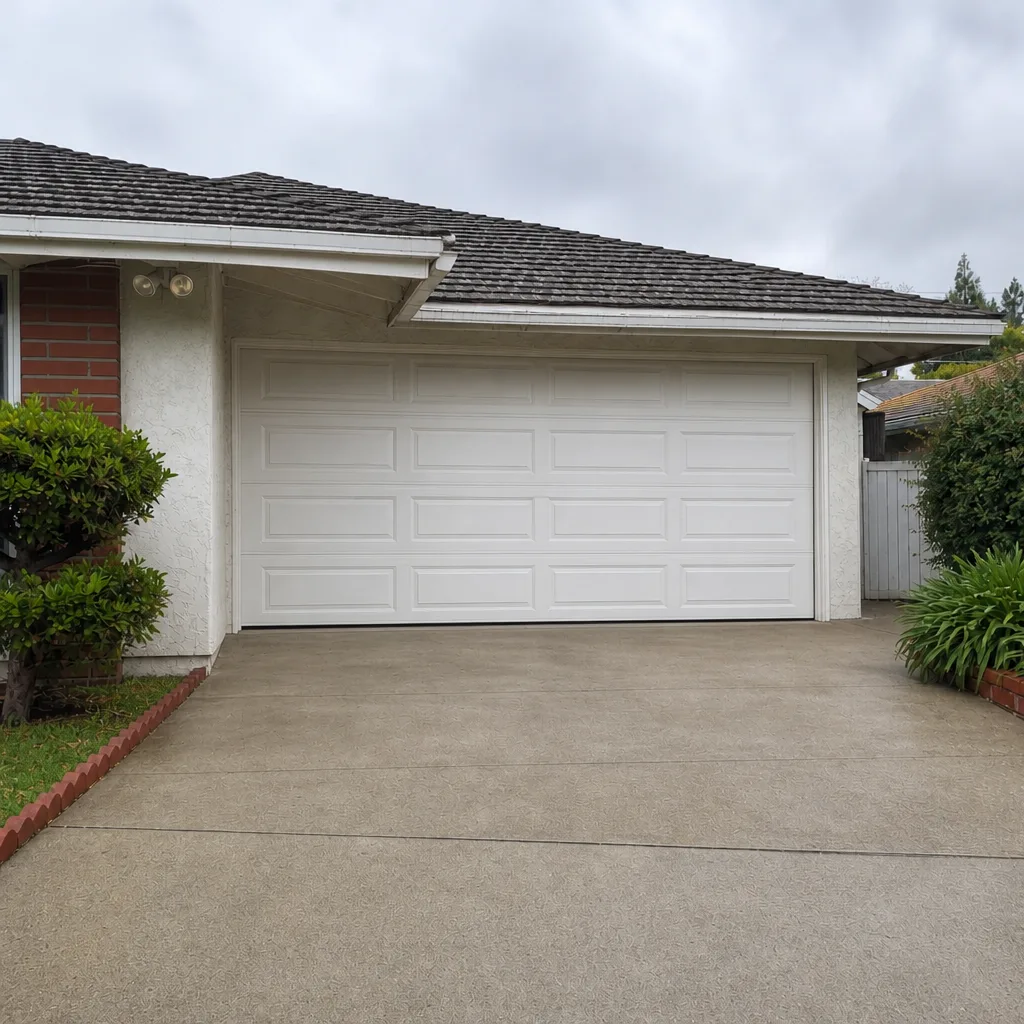 After
When to Call a Professional
Any work involving torsion springs or cables should be done by a trained technician. These components are under enough tension to cause serious injury, and the safety risk is not worth the money saved. Beyond that, call a professional when your door is off balance, when the opener motor is running but the door is not moving, when you hear grinding in the tracks, or when the door has come off its tracks entirely. These are not jobs for a handyman who does not work on garage doors full time.
If you are in Diamond Bar and want a diagnosis, Harbor Garage Door Service offers free estimates. Call (833) 620-0390. We answer 24/7. Fast dispatch from 7am to 7pm, Sunday through Friday.
Frequently Asked Questions
Typical repair costs in Diamond Bar run from $120 for a roller replacement up to $550 for an opener motor replacement, with spring work landing in the $180 to $340 range per spring. The written estimate you receive before work starts sets the final price. Call (833) 620-0390 for an exact quote.
Yes, same-day repair is available for most mechanical problems. We answer 24/7. Fast dispatch from 7am to 7pm, Sunday through Friday. A call outside dispatch hours is booked into the next opening.
No. The price is quoted and agreed before any work starts. If additional problems are discovered during the repair, you will be told the new number and you approve it before we proceed. There are no surprise line items on the invoice.
Our trucks are stocked for the eight major brands we service: LiftMaster, Chamberlain, Genie, Clopay, Amarr, Wayne Dalton, Craftsman, and Raynor. For most spring, cable, roller, and sensor repairs, the parts are on hand and the repair is done in one visit.
We see Wayne Dalton and Craftsman frequently in homes from the 1980s and 1990s, LiftMaster openers across most of the city, and Raynor in some custom builds. Clopay and Amarr are common in newer planned developments. Your specific home’s brand depends on when it was built and who the original installer was.
In most planned communities in Diamond Bar, yes. Communities like Tres Hermanos and Diamond Canyon have architectural guidelines that cover door color, material, and style. Check your CC&Rs or ask your management company before you choose a new door. We can work with the approved specs once you have them.
The Bottom Line
A garage door in Diamond Bar is not a generic appliance. Hillside driveways change how your door and opener work together, the Inland Empire heat ages materials faster than coastal weather does, and HOA rules in planned communities set boundaries on what you can install. The right approach is a repair-first one: diagnose what is actually broken, fix the component, and only replace the whole system when the lifecycle math makes sense. That is how we work at Harbor Garage Door Service, servicing the brands you already own across the Diamond Bar area. When you need a diagnosis or a new door, call (833) 620-0390. We answer 24/7. Fast dispatch from 7am to 7pm.
Written by the team at Harbor Garage Door Service, serving Diamond Bar since 2014.