
Last updated November 4, 2026
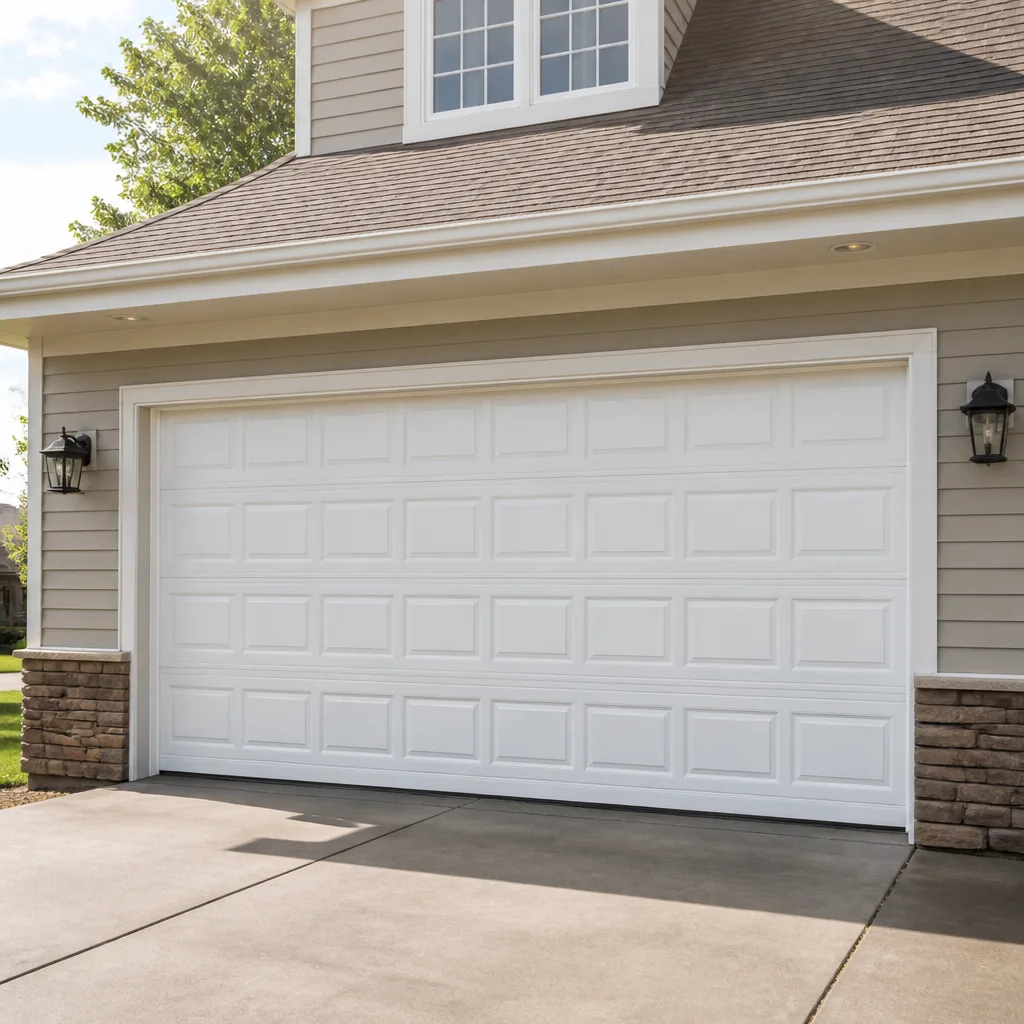 Raised-panel steel
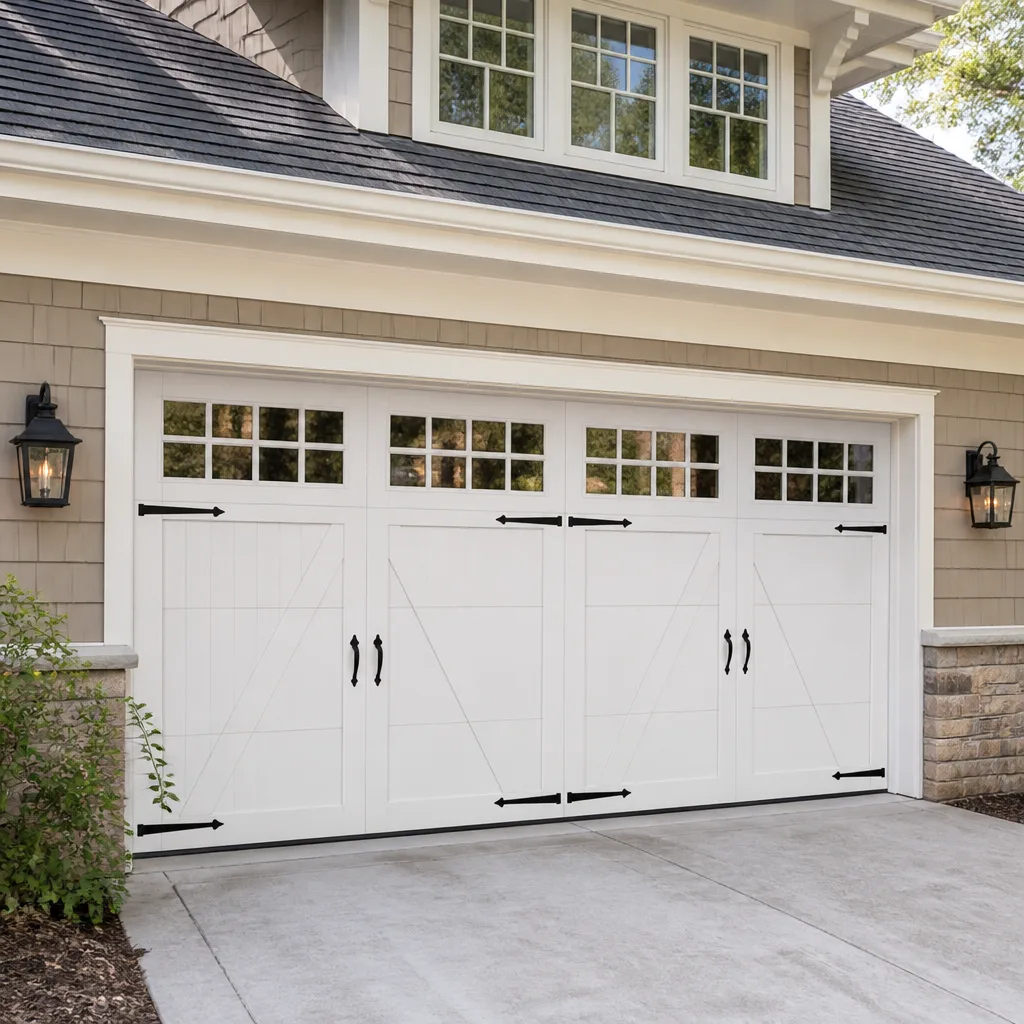 Carriage house
 Modern flush
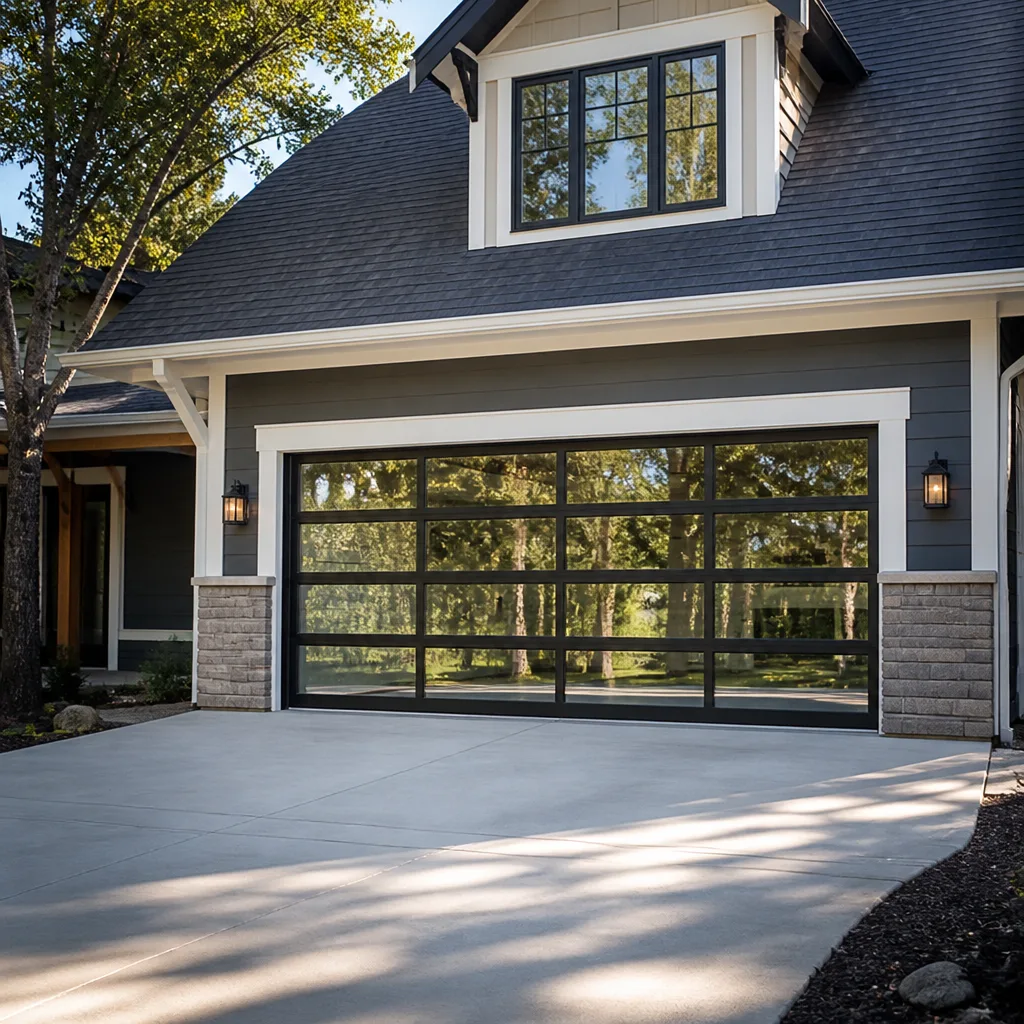 Full-view glass
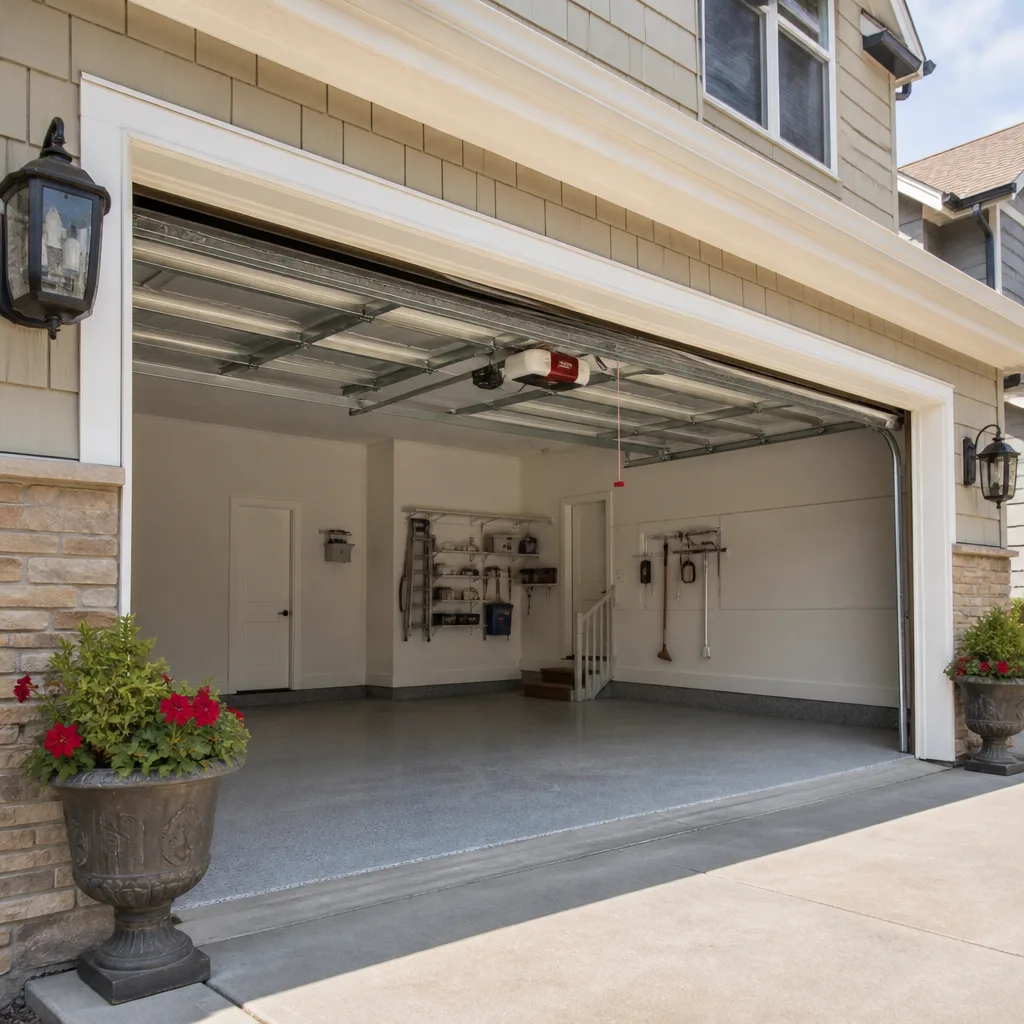 LiftMaster openers
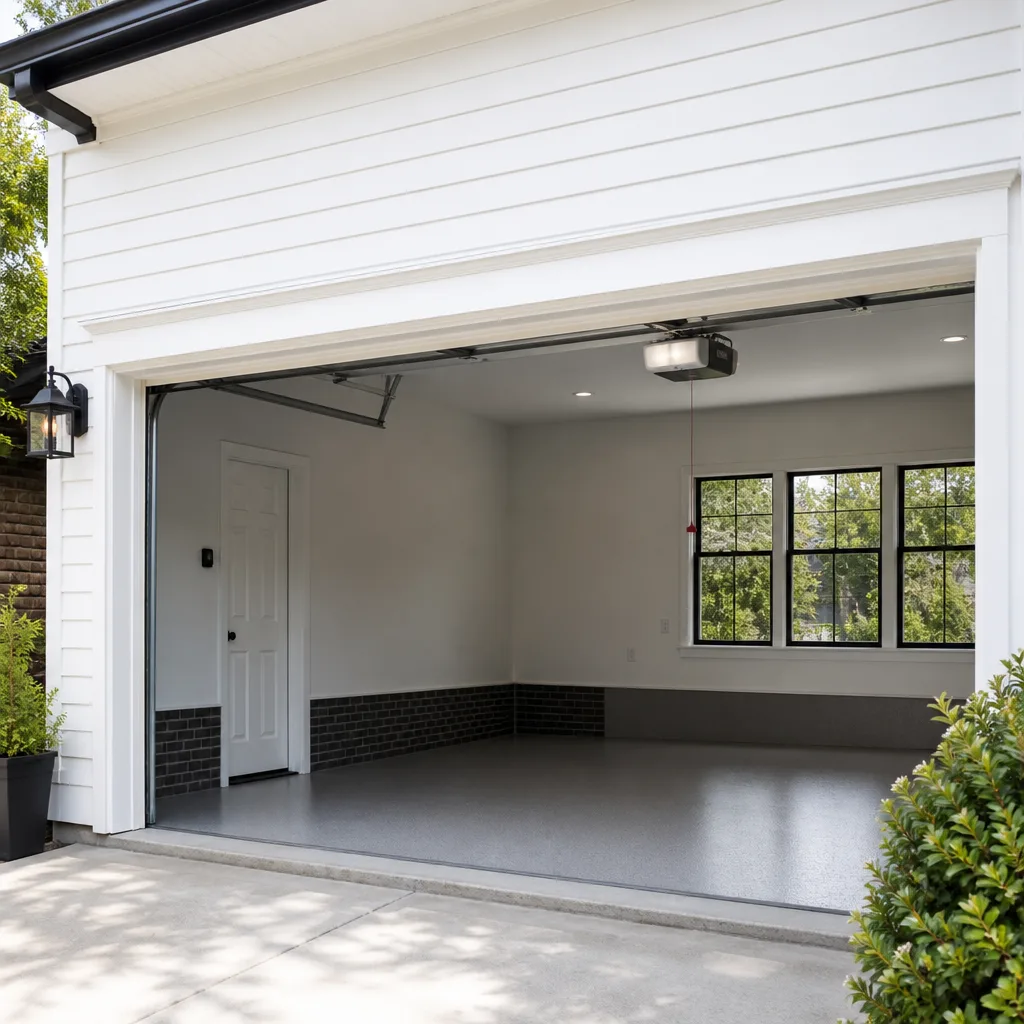 Chamberlain openers
Full 25-point door and opener safety check with every visit - springs, cables, rollers, tracks, and your LiftMaster or Chamberlain opener included
You get a price before we start. It does not change when the truck arrives.
Get your free estimateGarage Door Emergency Preparedness Guide for Diamond Bar Homes
Most Diamond Bar homeowners think about earthquake kits and fire evacuation routes, but almost nobody thinks about the largest moving object in their house until it refuses to move. Your garage door weighs anywhere from 130 to 400 pounds depending on the material, and during a power outage, earthquake, or wildfire evacuation window, it can become the single biggest obstacle between your family and the street. What catches people off guard isn’t the door itself. It’s the opener: a machine most of us only interact with by pressing a button, and one that stops working the moment the grid does. This guide walks through what actually happens to your garage door system during the emergencies Diamond Bar realistically faces, how to prepare before anything goes wrong, and what to do in the first minutes after an earthquake or when the power drops.
Quick Answer
The best emergency preparation for your garage door is threefold: learn your manual release operation now, test your opener’s battery backup on a schedule that matches Southern California’s outage patterns, and schedule a professional inspection of your door’s balance, springs, and safety systems before you need them under stress. In a power outage, every garage door opener made in the last 40 years has a manual release cord that lets you lift the door by hand, but only if the door is properly balanced and the release mechanism has been maintained. In Diamond Bar, wildfire season and earthquake risk make this preparation more than a convenience; it’s part of your household evacuation plan.
Styles & brands we work with
- Raised-panel steel
- Carriage house
- Modern flush
- Full-view glass
- LiftMaster openers
- Chamberlain openers
Table of Contents
- How to Operate Your Manual Release Before You Need It
- Battery Backup: Selection and Testing for Diamond Bar Outages
- Post-Earthquake Inspection Protocol
- Wildfire Ember Intrusion and Your Garage Door Seals
- Go-Bag Positioning and Evacuation Planning When the Door Fails
- Why Door Balance Matters More Than You Think in an Emergency
- Common Mistakes to Avoid
- When to Call a Professional
- Frequently Asked Questions
How to Operate Your Manual Release Before You Need It
The manual release is the red cord hanging from your opener rail, and it exists for exactly one reason: to disconnect the door from the motor so you can lift it by hand. In a power outage, this is the only way to get your car out of the garage or to move the door if there’s a problem with the opener. What surprises many Diamond Bar homeowners is that the release doesn’t work the same way on every opener. Door-mounted openers, ceiling-mounted openers, and newer smart openers all have different release mechanisms, and if you’ve never practiced yours, you’ll be fumbling with it in the dark with your phone flashlight.
Here’s the process for the most common ceiling-mounted opener:
- Locate the red emergency release cord hanging from the center rail above your car. It’s usually within arm’s reach.
- Pull the cord straight down with a firm, sharp motion. You’ll hear a click as the trolley disengages from the carriage.
- Step to the side of the door and lift it by hand using the handle at the bottom. A properly balanced door lifts with about 20 to 25 pounds of force and stays open on its own.
- If the door feels heavy, hard to lift, or starts to drop when you let go, stop. That means your springs aren’t holding proper tension, and you’re fighting the full weight of the door.
- To re-engage, pull the release cord again while pressing the opener button. The trolley will click back into place when the carriage lines up.
In our experience, the biggest problem isn’t the release itself. It’s the springs. A door with broken or weak torsion springs is nearly impossible to lift by hand, and in an emergency, that turns a 30-second task into a dangerous struggle. We work on doors from Clopay, Amarr, and Wayne Dalton in Diamond Bar regularly, and spring fatigue is the most common reason a manual release fails to actually let the door open. Springs wear out over thousands of cycles, and most homeowners never think about them until the door won’t move.
Practice your manual release once every three months. It takes less than a minute, it doesn’t require any tools, and it builds muscle memory you’ll need if the power goes out at 5:30 am during a Santa Ana wind event.
Battery Backup: Selection and Testing for Diamond Bar Outages
The 2020 Bobcat Fire knocked out power to parts of Diamond Bar and surrounding foothill communities, and one of the most common calls we received afterward was about openers that wouldn’t respond. The reason, in most cases, wasn’t that the opener broke. It was that the battery backup, which many openers now include or can accept, had never been tested since installation. A battery that sits untested for two or three years often holds no charge at all.
Battery backups solve a specific problem: they let your opener lift and lower the door a limited number of times after the main power fails. The exact number varies by model. Some batteries are rated for 20 to 50 cycles. Some older systems manage only a handful. That’s not a flaw; it’s a design constraint, and it’s why the testing schedule matters so much.
What to test, and when:
- Monthly: Unplug the opener from the ceiling outlet while the door is closed. Try to open and close the door using the wall button or remote. If the door moves smoothly on battery power, plug it back in. If it doesn’t, the battery needs attention.
- Before fire season: Diamond Bar’s wildfire risk peaks in late summer and fall, when dry brush and Santa Ana conditions align. Test your backup in early July, not mid-October.
- After any extended outage: Once power returns, run a full cycle to recharge the battery and confirm it still holds a charge.
- Replacement cycle: Most backup batteries last 3 to 5 years under normal use. If your opener is from LiftMaster or Chamberlain and the backup is original, check the date on the battery or have it tested.
If your opener doesn’t have a battery backup, you can add one in many cases. Not every opener model supports a backup battery, but the majority of newer openers from Craftsman, Genie, and LiftMaster accept an add-on battery that plugs into the motor unit. For older openers without that option, a whole-house generator or a dedicated UPS unit on the garage circuit can serve the same purpose, though a generator is a much larger investment than a battery.
The quiet truth about garage door openers is that the battery backup is a consumable, not a permanent feature. It wears out, it needs replacement, and it fails silently. Testing it monthly costs nothing and takes 60 seconds.
Post-Earthquake Inspection Protocol
Diamond Bar sits in earthquake country, and a felt tremor is a reminder that your garage door system is only as stable as the parts holding it up. After any earthquake strong enough to rattle windows or knock items off shelves, do not simply press the opener button and hope. A shifted door can bind, a loosened track can let the rollers jump out, and a stressed spring can release without warning.
What to check after a felt quake:
- Look at the door from inside the garage. Is it still centered in the opening? Is there a visible gap between the door and the track on either side?
- Check the tracks. Run your eyes along both vertical tracks and the horizontal track above. Look for bends, gaps at the wall brackets, or loose bolts. Any track that’s pulled away from the wall means the door should stay closed until a professional adjusts it.
- Check the springs. Torsion springs sit on a shaft above the door. Extension springs stretch along the sides. Look for a visible gap in the spring coils or a spring that’s dangling loose.
- Test the balance manually. Pull the red release cord and try to lift the door by hand. A properly balanced door moves easily and holds position. If it slams down or feels heavy, the springs are compromised.
- Look at the mounting brackets and opener rail. If the opener itself has shifted or the rail is sagging, the system needs alignment before you use it.
These checks take five minutes. If anything looks off, call us at (833) 620-0390 rather than forcing the door open. A door that’s off its track can fall, and the springs alone carry enough tension to cause serious injury if they’re handled wrong. In our experience, most post-earthquake garage door damage in Diamond Bar is minor: a loosened bracket, a shifted track, a door that’s a half-inch out of square. Caught early, those repairs are quick. Ignored, they become the reason the door jams completely during the next aftershock or outage.
Wildfire Ember Intrusion and Your Garage Door Seals
Diamond Bar’s location along the foothills of the San Gabriel Valley puts it in a wildfire exposure zone, and here’s something most homeowners don’t think about: the garage door is the largest single opening on the front of your house. During a wind-driven fire, embers don’t typically blow through walls. They blow through gaps. Your garage door’s bottom seal and the side weatherstripping are the first line of defense against ember intrusion, and on most Diamond Bar homes, those seals haven’t been checked in years.
The bottom seal, sometimes called a retainer seal or astragal, sits in an aluminum channel at the bottom edge of the door. Over time, it flattens, cracks, or pulls loose. Once that happens, a quarter-inch gap opens along the entire width of the door. In a wildfire with wind, that gap becomes an ember tunnel. Embers carry heat, and a garage full of cardboard boxes, paint cans, and stored furniture is exactly the kind of fuel bed a single ember can ignite.
Side weatherstripping matters too. Most Diamond Bar garage doors have vinyl or rubber strips running up both sides of the door jamb. These strips wear out, and when the door sits slightly off-center or the track hardware loosens, the gap on one side widens. That gap also lets embers in during a fire event, and it lets conditioned air leak out year-round.
Before fire season, do this:
- Close the garage door and look along the bottom edge from inside. If you can see daylight, the bottom seal needs replacement.
- Run your hand along the sides of the door while it’s closed. Feel for gaps or air movement. Any opening larger than the thickness of a credit card is worth addressing.
- Replace the bottom seal if it’s cracked, flattened, or missing in sections. This is a straightforward job, but it requires the right seal profile for your door brand. Doors from Clopay, Amarr, and Wayne Dalton all use different channel shapes.
- Check the weatherstripping on the header above the door. A gap at the top is less common but just as much of an entry point for embers and dust.
If you’re ordered to evacuate and you have time, close the garage door fully and pull the manual release so no one can open it with a remote. Some Diamond Bar residents also tape the side gaps with high-temperature foil tape before leaving, but the more practical approach is to have the seals in good shape long before an evacuation order comes.
Go-Bag Positioning and Evacuation Planning When the Door Fails
Most evacuation plans assume the garage door will open. That’s a problem. In a power outage, the wall button and remotes go dead. In a wildfire, you may have minutes to leave. In an earthquake, the door could be jammed or off its track. If your only evacuation route is through the garage, you’ve built a plan around a machine that can fail.
The solution isn’t to replace the door. It’s to build a plan that assumes the door might not open. That starts with where you keep your go-bag.
- Keep one go-bag near the front door, not the garage. If the garage door won’t open, you should be able to leave through the front door with your essentials already in hand.
- Keep a second, smaller bag in the car. If you can get the door open, great. If not, you’re not going back for supplies.
- Store a manual release practice reminder on your phone. You won’t be reading instructions during an evacuation. You’ll be executing muscle memory, or you’ll be stuck.
- Know which door you’ll use if the garage has two. Many Diamond Bar homes have a double-wide door and a smaller door. If one jams, the other may still work. Know which one is lighter and easier to lift by hand.
If the garage door won’t open during an evacuation and you can’t lift it manually, the front door or a side gate becomes your exit. That’s fine, as long as you’ve planned for it. The mistake is standing in the garage pressing a dead opener button while a fire moves closer. We’ve replaced openers on Diamond Bar doors that failed during exactly that kind of moment, and in more than one case the homeowner ended up leaving the car behind.
Test your plan once a year. Walk through the steps with your family. Pull the release cord. Lift the door by hand. Time how long it takes to get the car out with the power off. If it takes longer than 60 seconds, you have work to do.
Why Door Balance Matters More Than You Think in an Emergency
A garage door that’s properly balanced is a door you can lift with one hand. A door that’s out of balance is a door that fights you, slams down, or won’t move at all. In an emergency, balance is the difference between a functioning manual exit and a 200-pound barrier between you and the street.
Here’s what balance actually means. Your garage door’s weight is offset by the springs, not the opener. The opener is just the motor that moves the door. The springs do the heavy lifting. When a torsion spring breaks, the opener suddenly tries to lift the full weight of the door, and most openers can’t do that. The door stalls, the motor strains, and you’re stuck. When the spring is merely worn or out of adjustment, the door feels heavy by hand and the opener works harder than it should.
Testing balance is simple, and you should do it monthly:
- Close the door.
- Pull the red release cord to disconnect the opener.
- Lift the door by the bottom handle to about waist height.
- Let go.
A properly balanced door should hold its position or move only slightly. If it drops, the springs are tired. If it shoots up, the springs are over-wound. Either way, the system needs professional attention. A door that drops during this test will be nearly impossible to lift during an evacuation.
We replace torsion springs on Diamond Bar doors from every major brand, and the failure pattern is consistent: springs wear out after roughly 10,000 cycles, which for most homeowners is 7 to 10 years. If you don’t know the spring count on your current door, an inspection will tell you. If the door is original to the house and the house is from the 1990s, the springs are almost certainly past due.
Balance matters even when there’s no emergency. An out-of-balance door wears out openers, stresses the cables, and shortens the life of every moving part. But in an emergency, it’s not about longevity. It’s about whether you can open your own garage door by hand when the power is out and your family is waiting in the car.
Common Mistakes to Avoid
- Assuming the opener will work when the power goes out. Most openers without a battery backup go dead the instant the grid drops. If you’ve never tested the backup, you don’t know whether it works, and a dead backup is the same as having no backup at all.
- Never practicing the manual release. Knowing where the cord is and pulling it under stress are two different things. Practice quarterly. Your hands will remember what your brain forgets.
- Ignoring a heavy door. If the door feels heavy when you lift it by hand, that’s your springs telling you they’re close to failure. Waiting until one breaks means a more expensive repair and a door you can’t open manually.
- Storing your only evacuation supplies in the garage. If the door jams and the power is out, your go-bag is on the other side of a barrier. Keep a bag near the front door too.
- Skipping seal inspection before fire season. Fire season in Diamond Bar peaks in the fall, but the time to check bottom seals and side weatherstripping is early summer. Ember intrusion through a quarter-inch gap can light up a garage ahead of the main fire front.
- Operating the door after an earthquake without checking it first. A shifted track or a compromised spring can turn a routine door operation into a falling-door incident. Five minutes of inspection beats a trip to urgent care.
- Assuming a newer opener doesn’t need maintenance. Smart openers from LiftMaster, Chamberlain, and Genie are reliable, but the battery backup, the safety sensors, and the motor itself still need periodic attention. Newer doesn’t mean maintenance-free.
When to Call a Professional
Some garage door tasks are safe and straightforward. Replacing a battery, testing the manual release, and checking your seals are all things a homeowner can handle. But the moment springs, cables, or track alignment enter the picture, the job changes. Torsion springs are under hundreds of pounds of tension, and when they fail, the energy release is sudden and violent. Cables snap under load. Tracks that are loose or bent can let a door come off its line and drop. None of that is worth a DIY attempt, especially in the middle of an emergency when speed matters and adrenaline is running high.
If your door won’t open after a power outage, if it’s off its tracks after an earthquake, or if the springs are visibly broken, call Harbor Garage Door Service at (833) 620-0390. We answer 24/7. Fast dispatch from 7am to 7pm, Sunday through Friday. We provide free estimates in Diamond Bar, and we work on the brand you already own, whether that’s Clopay, Amarr, Wayne Dalton, or Craftsman.
Frequently Asked Questions
Pull the red manual release cord hanging from your opener rail, then lift the door by hand using the bottom handle. This works on every opener type, but only if the door is balanced and the springs are in good shape. If the door won’t lift or feels heavy, the springs have failed and you’ll need a professional. Call (833) 620-0390.
Newer openers from LiftMaster, Chamberlain, Genie, and Craftsman often include a battery backup or accept an add-on battery. Check the manual or the motor unit for a battery symbol. If you’re not sure, pull the plug while the door is closed and try the wall button. If nothing happens, there’s no working backup.
Look for shifted tracks, loose brackets, broken springs, and a door that’s no longer centered in the opening. Then pull the release cord and test the balance by hand. If anything looks misaligned or the door feels heavy, leave it closed and call for garage door repair in Diamond Bar.
Once a month, and again right before wildfire season in early July. Southern California’s outage patterns peak during Santa Ana winds and wildfire events, so a July test gives you time to replace a dead battery before the fall.
Yes. A worn bottom seal or side weatherstripping leaves gaps that wind can push embers through. Check for visible daylight along the bottom edge of your closed door, and replace any seal that’s cracked, flattened, or pulled loose before fire season starts.
A heavy door is a sign of failing springs. These springs offset the door’s weight, and when they wear out, the full weight lands on your arms and the opener motor. This is the most common reason a door won’t open manually during an outage, and it’s worth addressing before an emergency, not during one. Call (833) 620-0390 for an exact inspection and estimate.
The Bottom Line
Emergency preparedness in Diamond Bar means thinking past the earthquake kit and the evacuation map. Your garage door is the single largest moving object in your house, and it’s part of your exit strategy whether you’ve planned for it or not. Learn the manual release. Test the battery backup monthly, and again before fire season. Check your seals for ember-tight fit. Do a visual check after any felt earthquake before you hit the opener button. And if the springs are old, the door is heavy, or the tracks have shifted, call a professional before the next outage puts it all to the test. Harbor Garage Door Service offers free estimates in Diamond Bar and works on the door and opener you already own. Call (833) 620-0390. We answer 24/7. Fast dispatch from 7am to 7pm, Sunday through Friday.
Written by the team at Harbor Garage Door Service, serving Diamond Bar since 2014.
See the difference
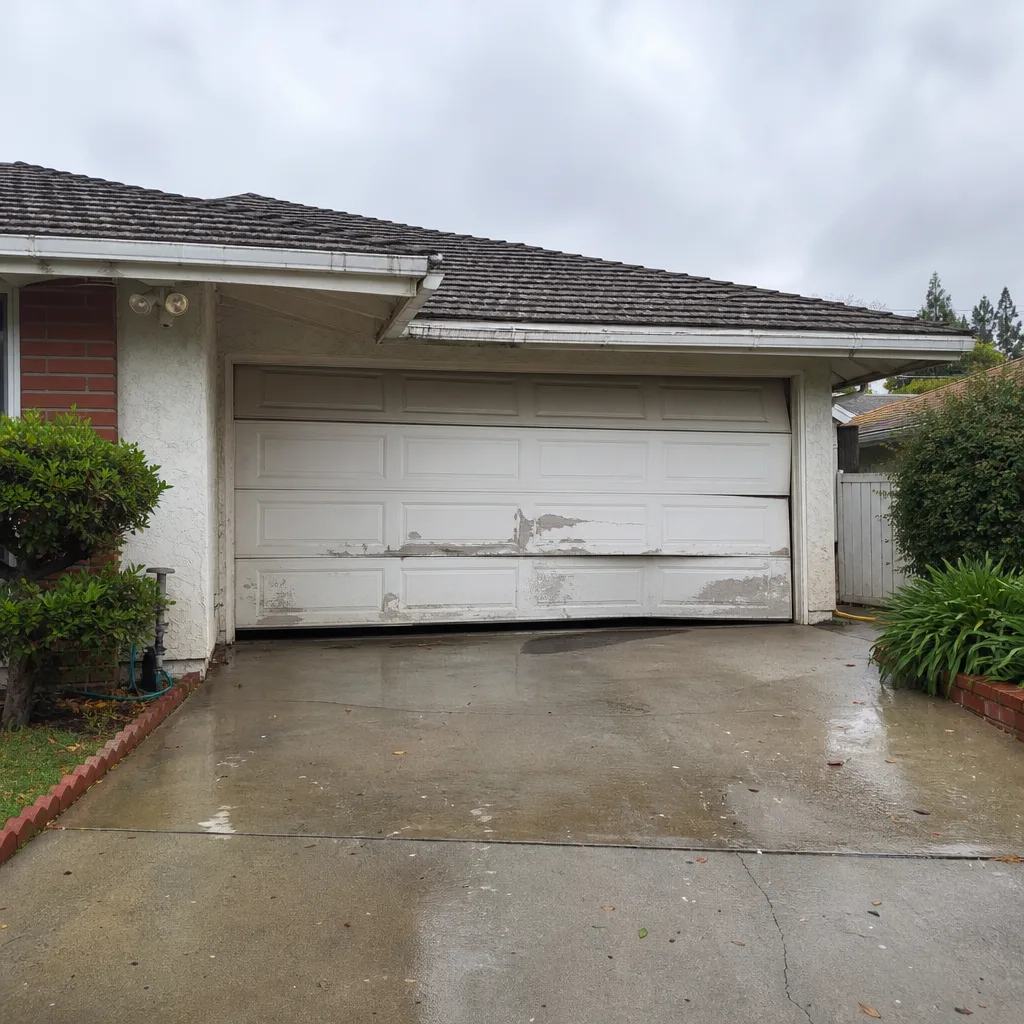
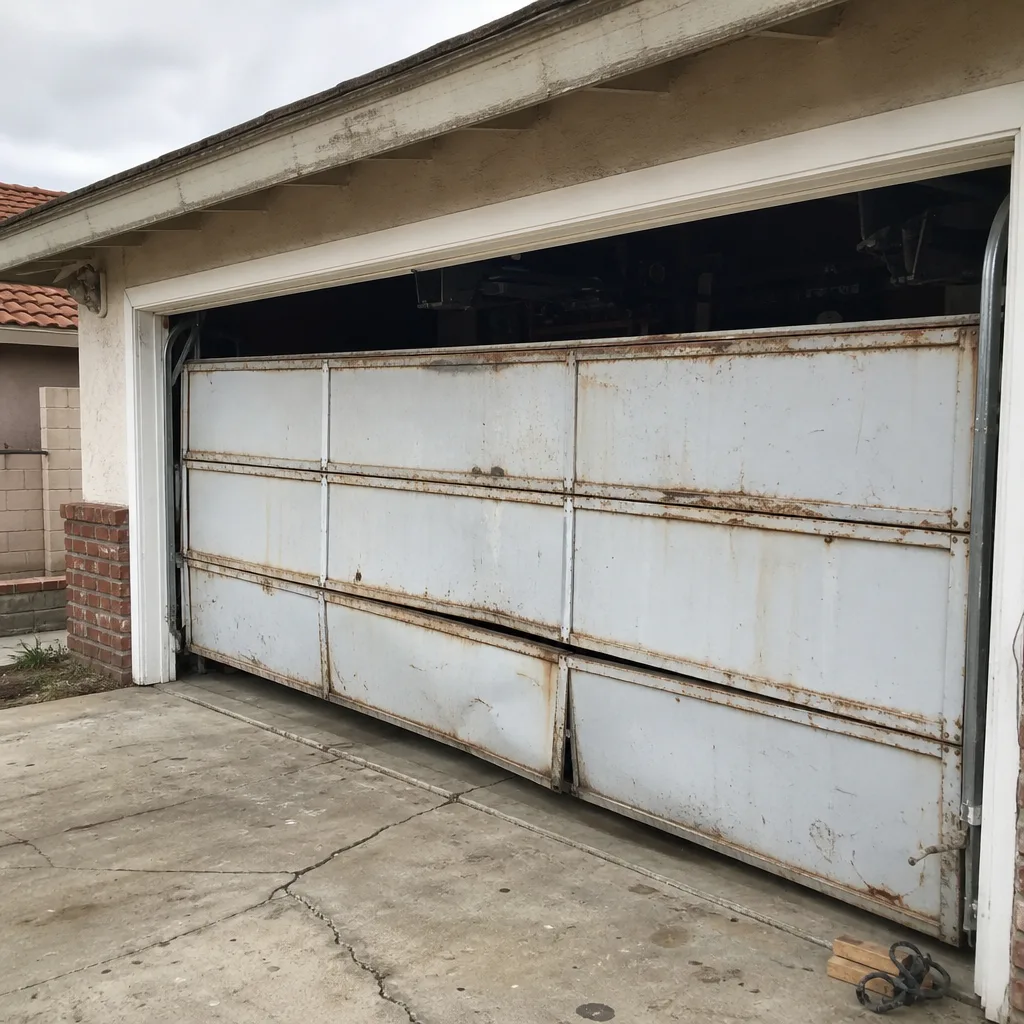 Before
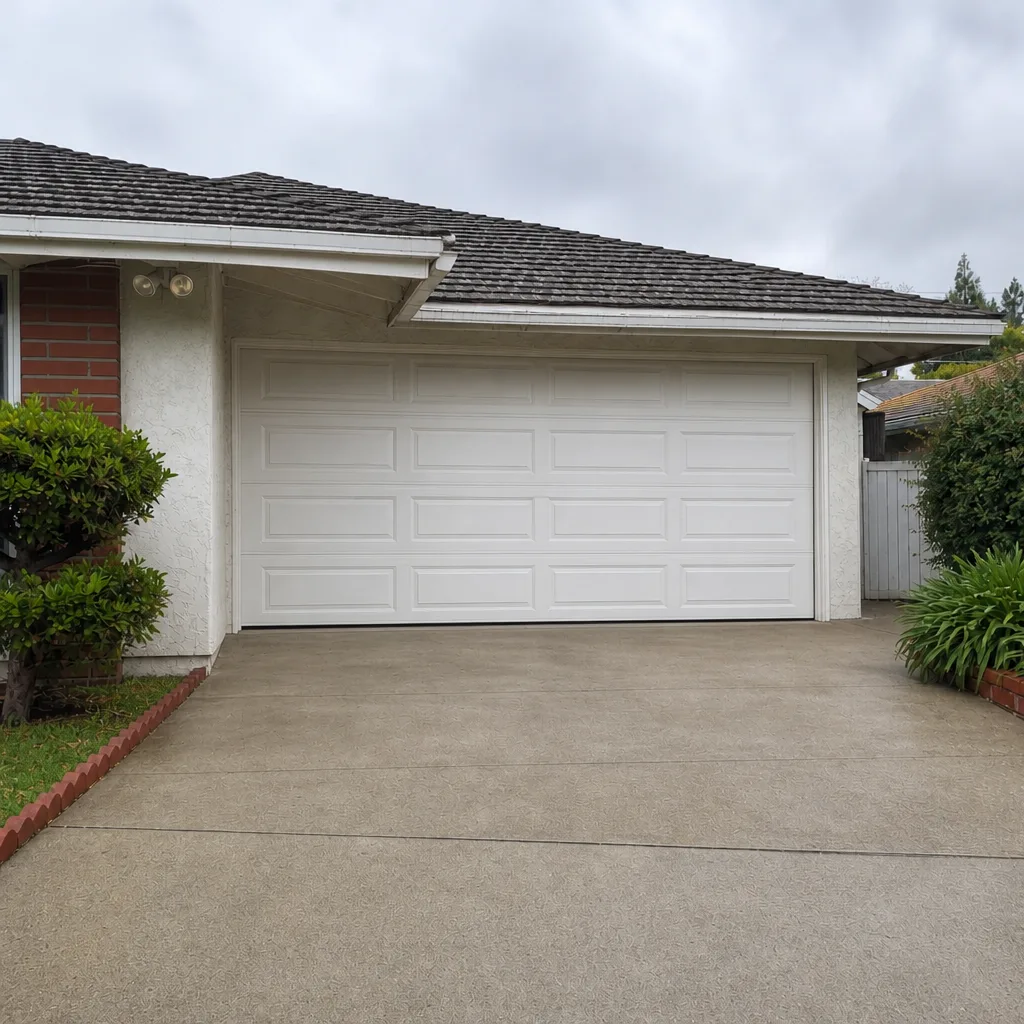
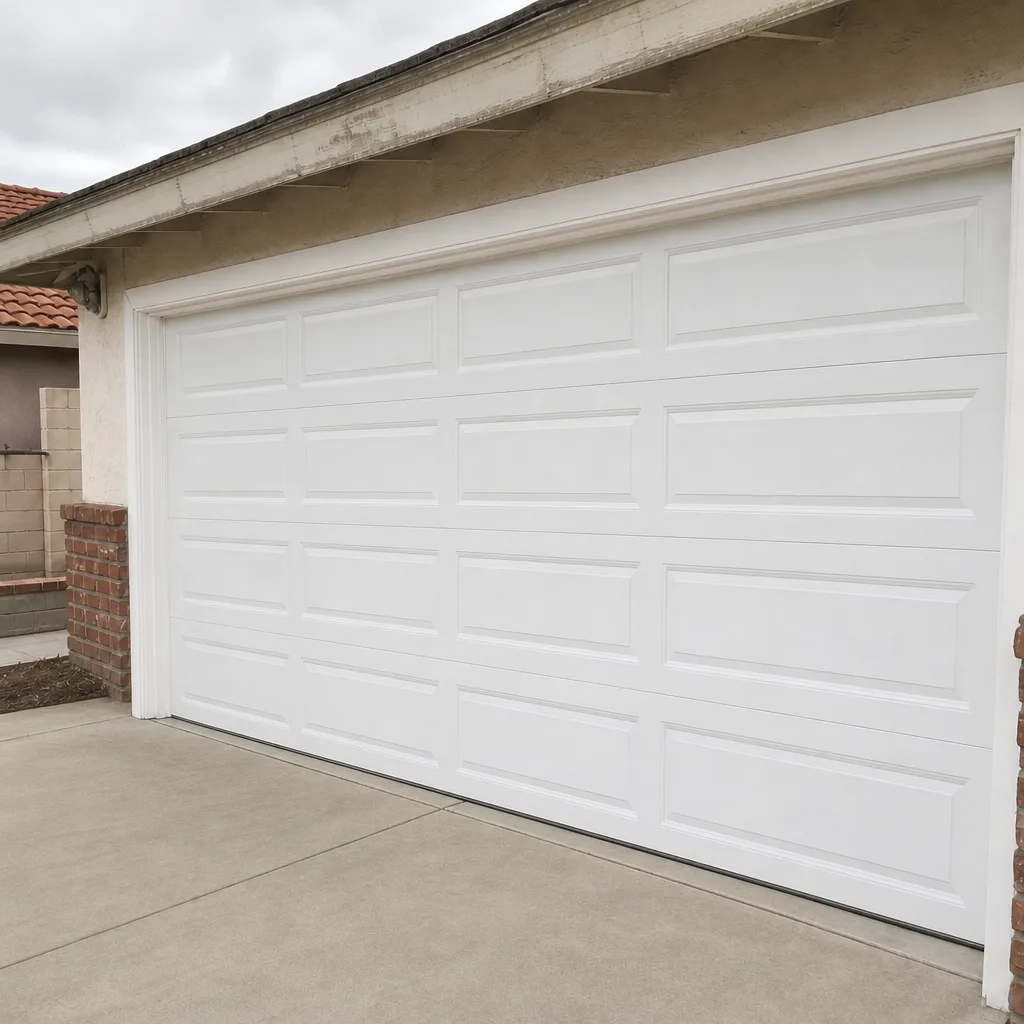 After
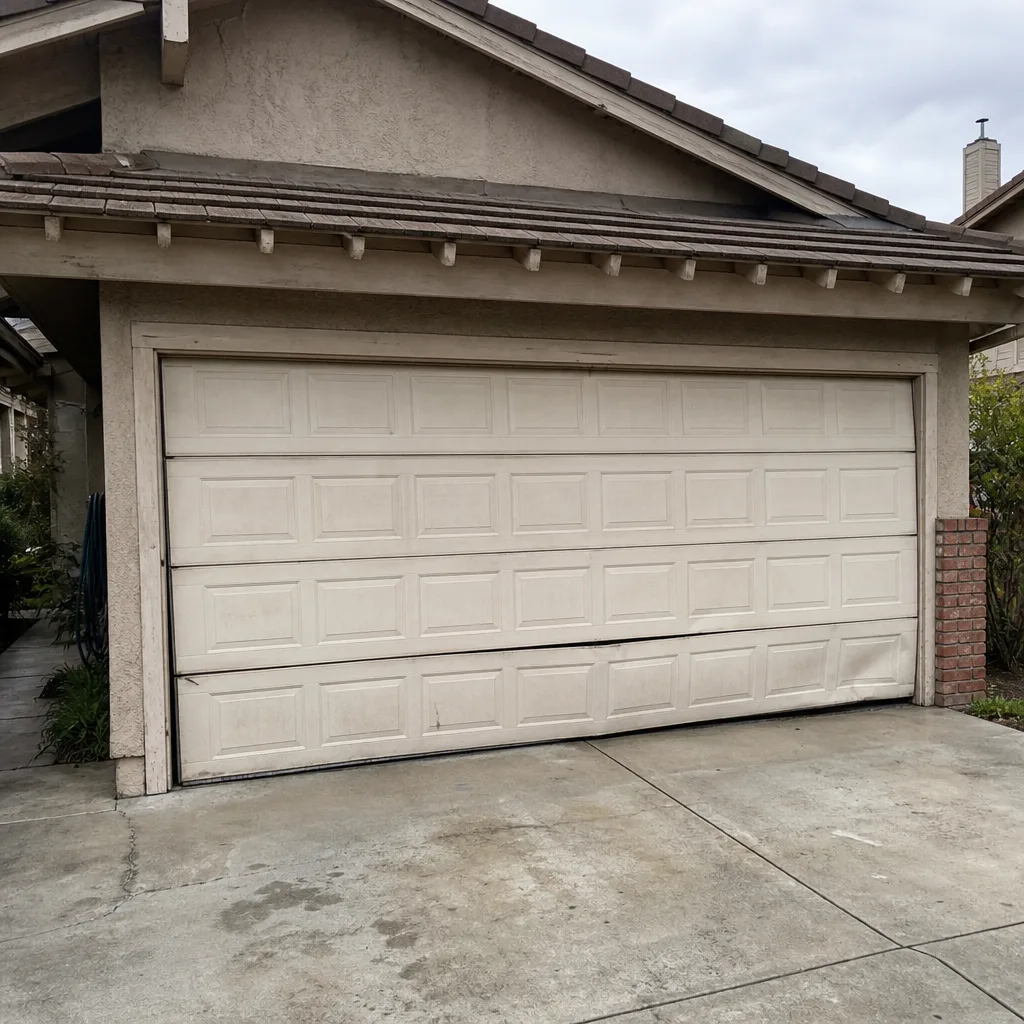 Before
 After
 Before
 After