
Last updated November 4, 2026
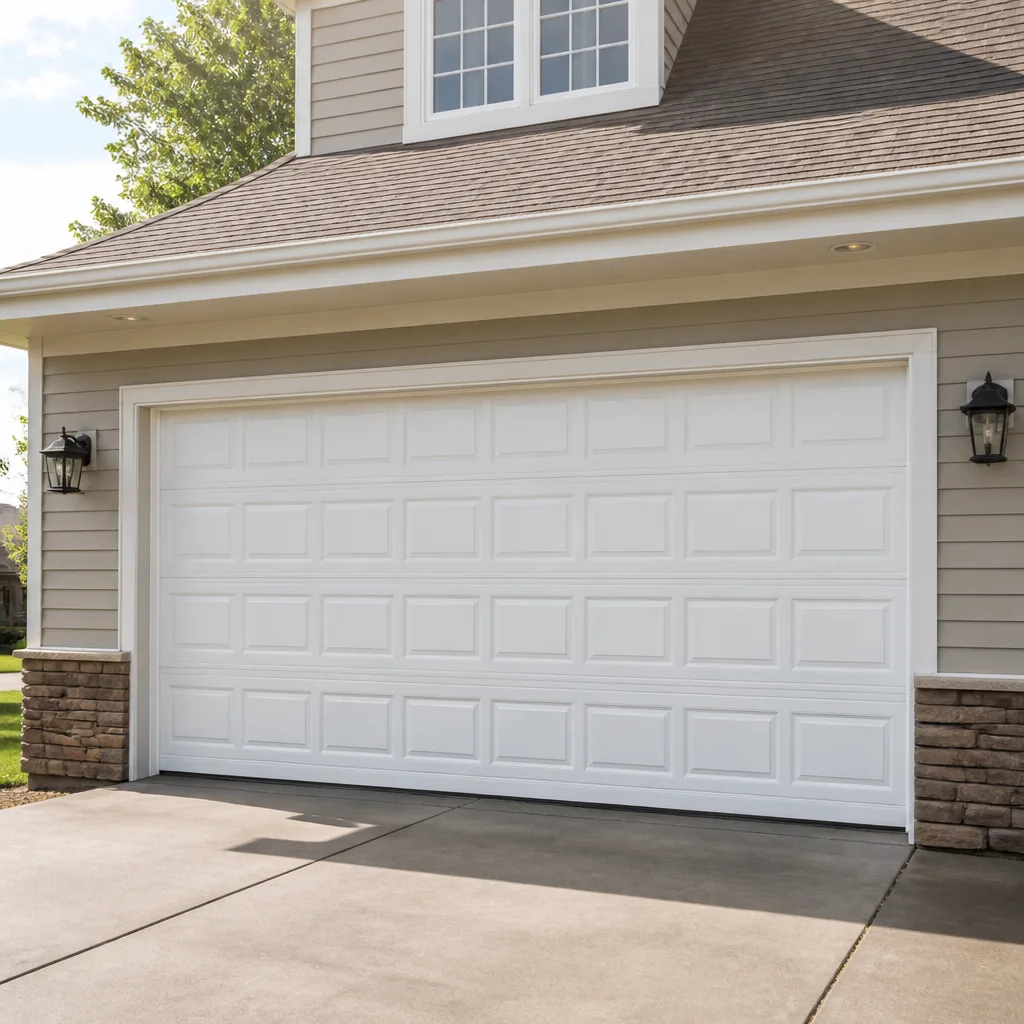 Raised-panel steel
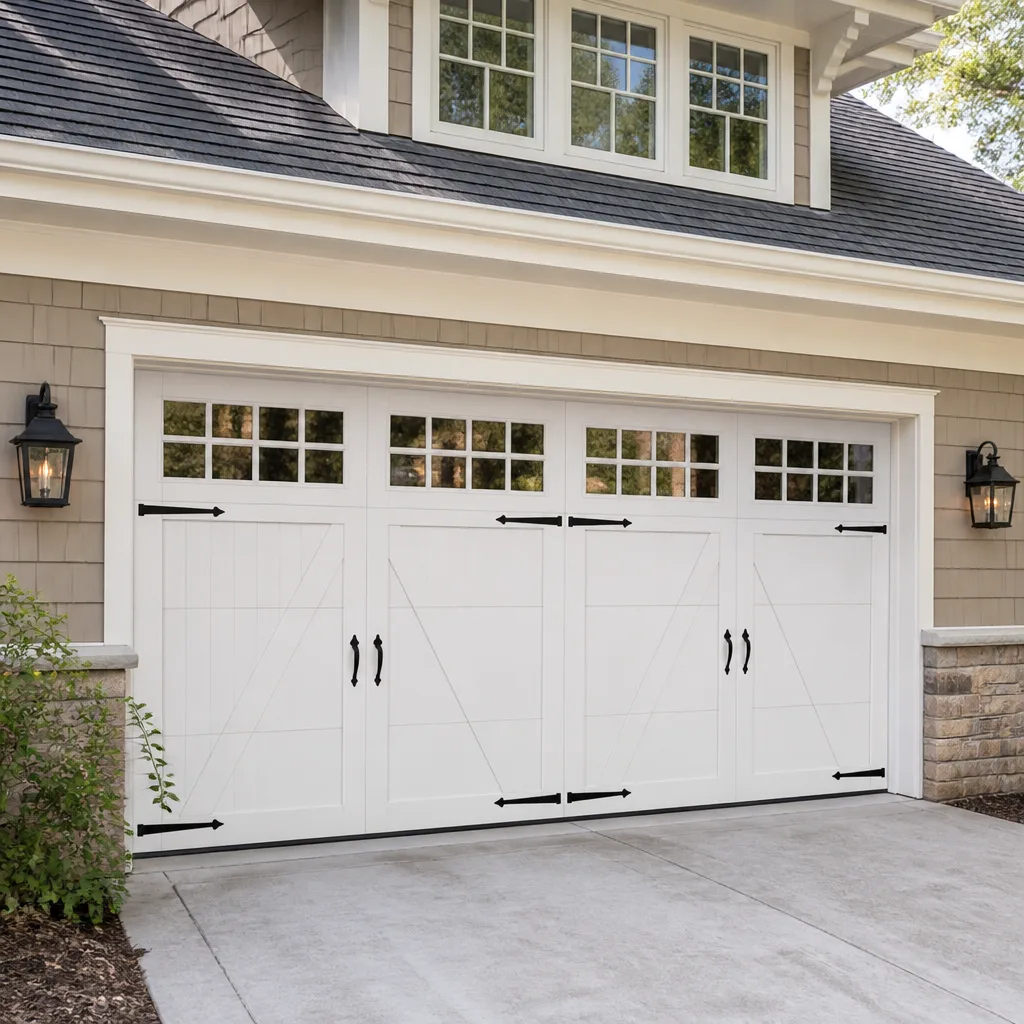 Carriage house
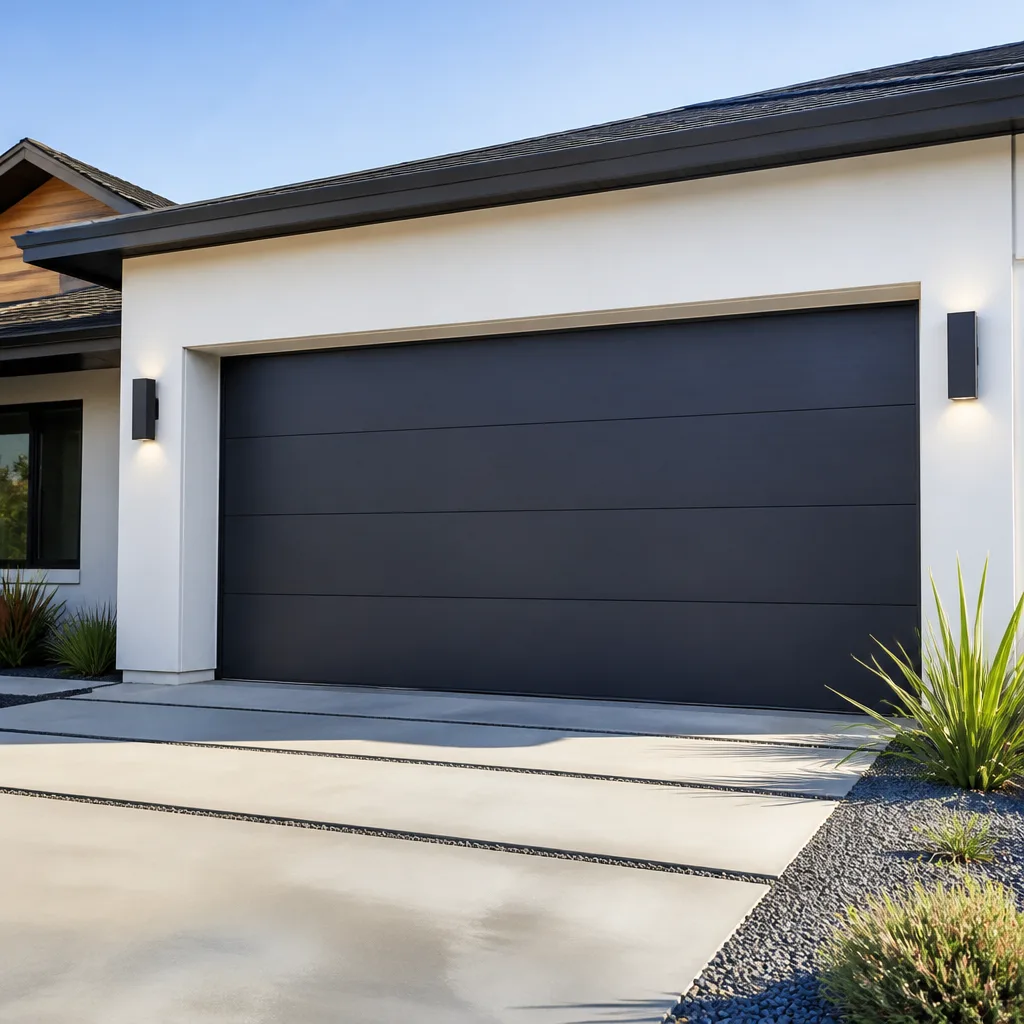 Modern flush
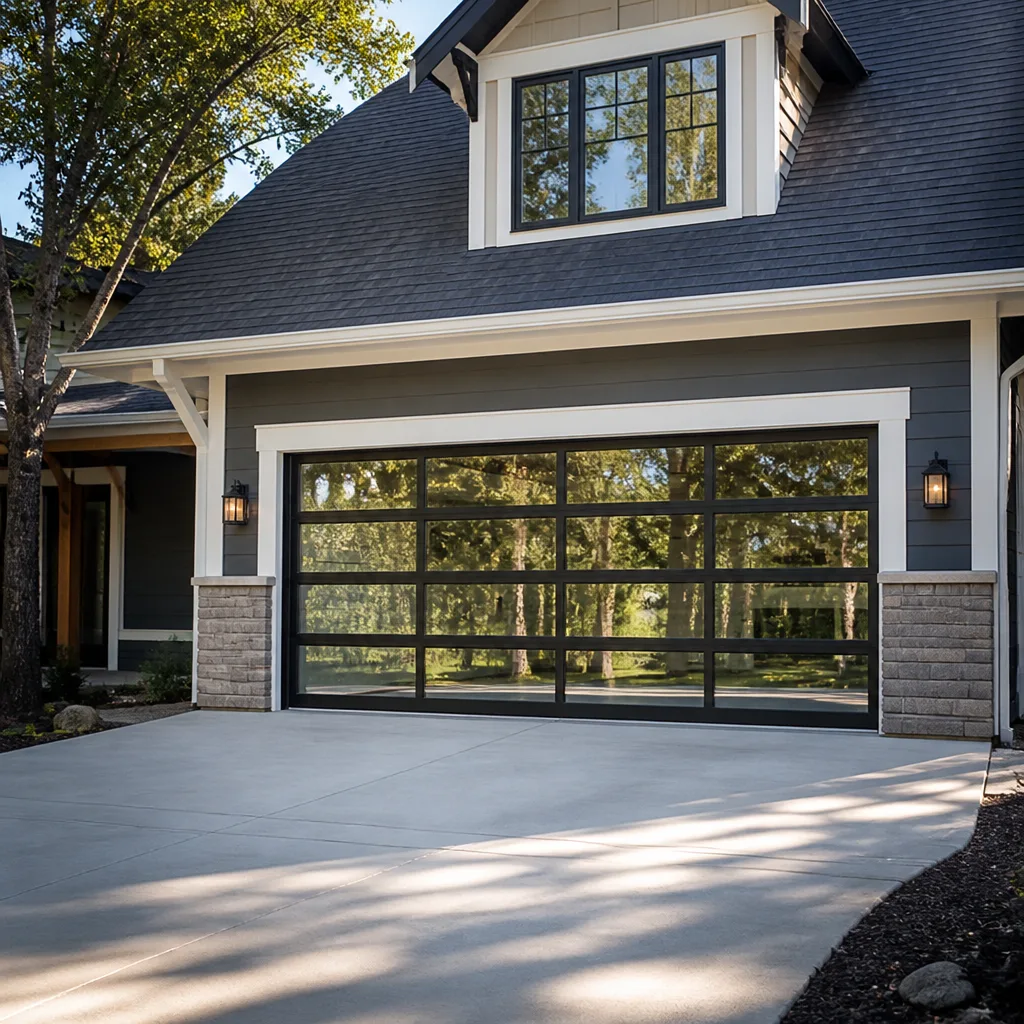 Full-view glass
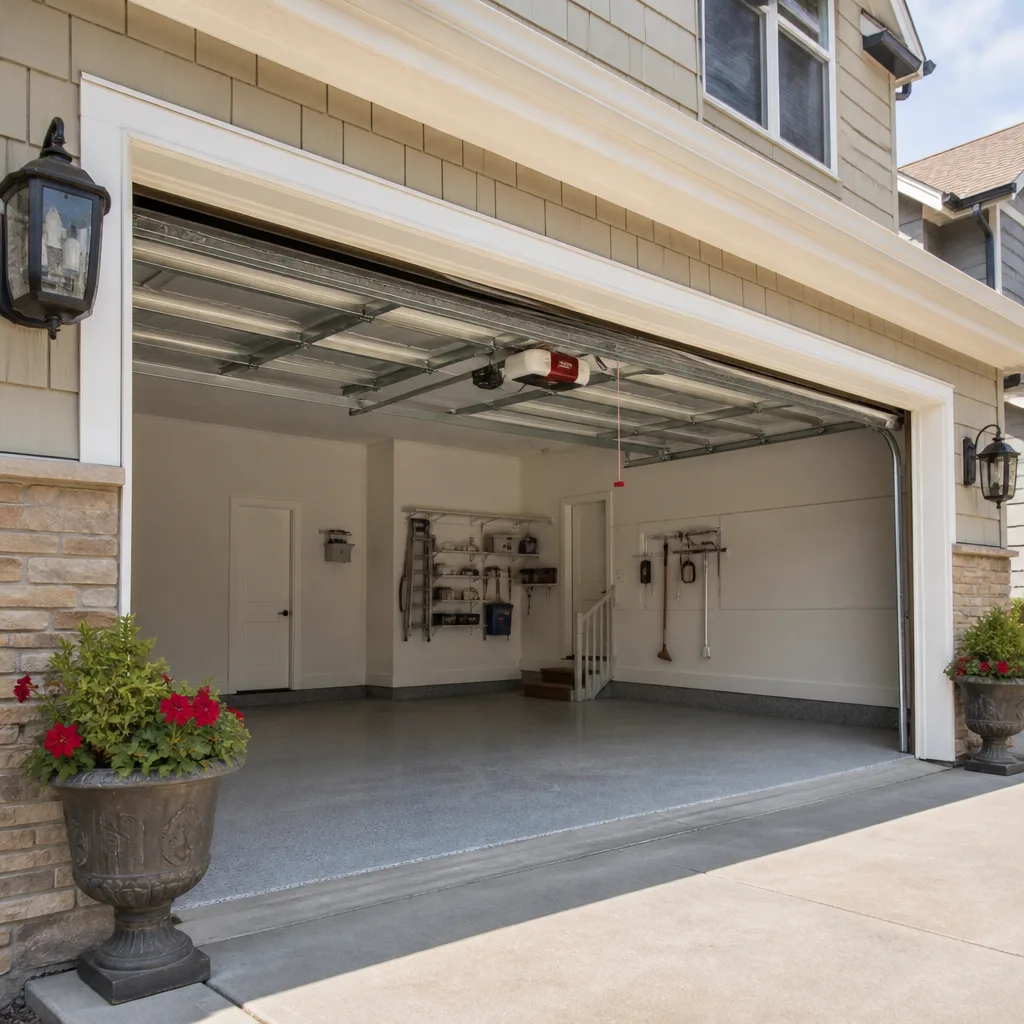 LiftMaster openers
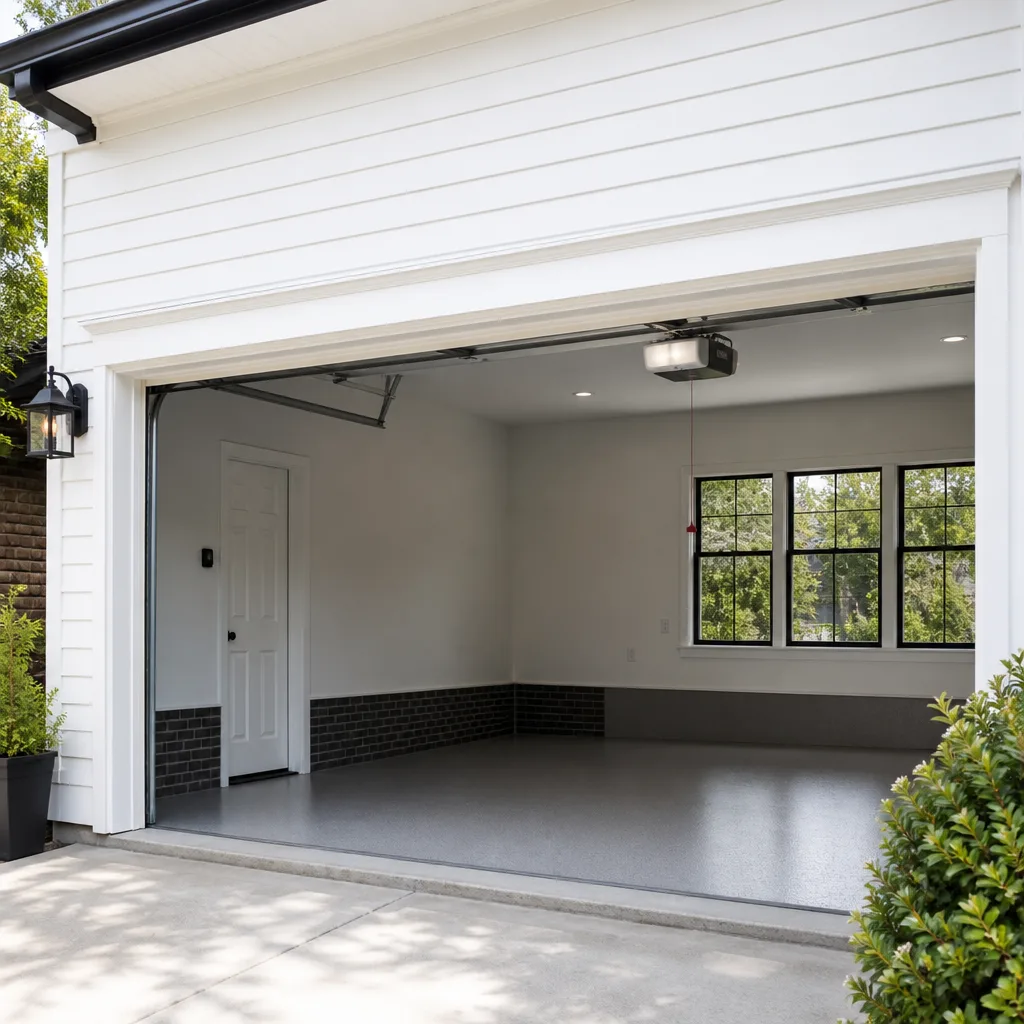 Chamberlain openers
Full 25-point door and opener safety check with every visit - springs, cables, rollers, tracks, and your LiftMaster or Chamberlain opener included
You get a price before we start. It does not change when the truck arrives.
Get your free estimateGarage Door Permits, Codes & Inspections in Diamond Bar, CA: What You Need to Know
Most Diamond Bar homeowners assume a garage door swap is a simple cosmetic upgrade that needs no paperwork. That assumption falls apart at the worst possible moment: closing. Los Angeles County takes garage door permits more seriously than you’d expect, particularly for attached garages, and a surprising number of Diamond Bar residents only discover a permit was required when a title search flags unpermitted work during escrow. This guide walks you through exactly when Diamond Bar requires a permit, what the code actually says about fire-rated doors, how HOA rules interact with county enforcement, and what to do if you inherit a door installed without one.
Quick Answer
In Diamond Bar, a garage door replacement requires a permit from Los Angeles County Building and Safety when it involves structural changes to the opening, converts a door type, or alters fire-rated assemblies on an attached garage. A true like-for-like replacement of the door panels and hardware, with no opening modification, is typically exempt. Always confirm with the county because the distinction between exempt and permitted work is narrower than most contractors admit.
Styles & brands we work with
- Raised-panel steel
- Carriage house
- Modern flush
- Full-view glass
- LiftMaster openers
- Chamberlain openers
Table of Contents
- Why LA County, Not the City, Governs Diamond Bar Garage Doors
- When a Diamond Bar Garage Door Permit Is Required
- What ‘Like-for-Like’ Replacement Actually Means Under Current Code
- Fire-Rated Door Requirements for Attached Garages
- How HOA Architectural Approvals Interact With County Permits
- What to Do If a Previous Owner Installed a Door Without a Permit
- The Inspection Process: What Happens After You Pull a Permit
- Common Mistakes to Avoid
- When to Call a Professional
- Frequently Asked Questions
Why LA County, Not the City, Governs Diamond Bar Garage Doors
Diamond Bar is an incorporated city in eastern Los Angeles County, but its building permits flow through Los Angeles County Building and Safety, not a municipal building department. That distinction matters because LA County amends the California Residential Code with its own administrative rules. What flies in a neighboring city with its own permitting desk may not fly in Diamond Bar, and vice versa. When a contractor says “you don’t need a permit for this,” the only opinion that protects you is the county’s.
The county assigns permits by property address and work type. A garage door replacement on a single-family home in Diamond Bar generally falls under residential alteration or repair provisions. The county’s inspectors cover this area out of regional field offices, and the process is uniform across unincorporated and incorporated areas under county building jurisdiction. For a homeowner, that means one number to call, one set of forms, and one inspection list. It also means the county’s interpretation of “replacement” is the one that counts at resale.
We work on the brand you already own, whether that’s a Chamberlain opener, a Genie motor, or a Clopay door. But no matter whose equipment goes in, the permit question is answered by the building official, not the installer. If you’re unsure whether your project crosses the threshold, ask the county first. It’s cheaper than fixing it after escrow starts.
When a Diamond Bar Garage Door Permit Is Required
The core rule: a permit is required when the work changes, modifies, or enlarges the garage door opening or alters the fire-resistance rating of the garage assembly. Here is the specific breakdown for Diamond Bar homeowners:
- Structural opening changes: Widening, heightening, or moving the rough opening requires a permit. This is structural work, full stop.
- Converting door type: Changing from a swing-out carriage door to an overhead sectional, or from a single wide door to two singles, changes the header load and requires a permit.
- Attached garage door replacement altering fire-rated components: Replacing the frame, jamb, or door with materials that do not meet the existing fire-rating requirements triggers a permit and an inspection.
- Adding or relocating a pedestrian door in the garage wall: This is an opening alteration, not a door swap, and it’s always permitted work.
- Electric opener installation on a dedicated new circuit: Running new branch wiring to power an opener is electrical work requiring a permit. Replacing an opener on an existing, code-compliant circuit generally is not.
Exempt work is narrower: replacing the door panels, springs, tracks, rollers, and hinges in the same opening, with no change to the opening size and no reduction in fire rating, is maintenance and repair. The county treats this the same as replacing a broken window with the same glazing type. The key phrase is “same opening, same function, same fire characteristics.”
For homes with attached garages in Diamond Bar, the fire-rating angle is where homeowners get into trouble. We’ll cover that in a moment. But first, understand this: if a contractor tells you a permit is never needed for a garage door, they’re wrong. If they tell you one is always needed, they’re also wrong. The truth sits in the details of your opening.
If you’re planning a garage door repair that involves opening work, or if you’re unsure, call the county’s building department and describe the project. Ask for a written determination if you’re anywhere near the line. That paper trail protects you later.
What ‘Like-for-Like’ Replacement Actually Means Under Current Code
Contractors toss around “like-for-like” as if it’s a get-out-of-permit-free card. It isn’t. Under current California Residential Code as amended by Los Angeles County, like-for-like means the replacement door matches the original in size, weight class, operation type, and fire-resistance rating. Not just “looks the same” or “fits the same hole.”
Here’s where it breaks down in practice:
- Same size, different weight: A solid wood Clopay door replaced with an insulated steel Amarr door of the same dimensions is not automatically like-for-like if the header or track system is marginal. The county can require an engineering letter if the weight changes significantly.
- Same opening, different rating: On an attached garage, the original door carried a 20-minute fire-resistance label. The new door must carry an equivalent or better label. A bargain door without a visible fire rating label fails this test.
- Same panels, altered jambs: Replacing rotted jambs with dimensional lumber of a different species or grade changes the structural assembly. This can move the job from exempt repair to permitted alteration.
- Opener add-on, new circuit: Like-for-like covers the door. It does not cover new electrical work. If your new Chamberlain opener needs a dedicated circuit where none existed, the electrical portion needs its own permit.
In our experience, the most common unwitting violation in Diamond Bar is the attached-garage door swap where the new door is unrated. Homeowners see a cheaper price, the installer says “it’s the same size, no big deal,” and three years later an escrow inspector flags it. The fix is a new, rated door plus a permit plus a county inspection. That’s three costs for the price of one avoided.
The safest path is to ask the installer for the door’s fire rating documentation before it goes in. If they can’t produce it, assume it’s unrated. On an attached garage in Diamond Bar, an unrated door is not like-for-like. It’s a code violation waiting to surface.
Fire-Rated Door Requirements for Attached Garages
California Residential Code R302.5.1 requires the door between a garage and a dwelling unit to be a solid wood door not less than 1-3/8 inches thick, or a steel or composite door, or a 20-minute fire-rated door. Most people think this applies only to the pedestrian door from the garage into the house. It also applies to the vehicle door when the garage is attached to the living space, because the vehicle door is part of the fire separation assembly.
What does this mean in Diamond Bar terms?
- Attached garage, vehicle door: The door should be a labeled 20-minute fire-resistance-rated assembly or be made of approved noncombustible or limited-combustible materials meeting the same intent. Unlabeled, thin-panel aluminum doors typically don’t meet this.
- Detached garage: Fire-rating requirements are significantly relaxed. A detached garage separated from the dwelling by distance does not impose the same rating burden on the vehicle door.
- Pedestrian entry door from garage to home: Must meet the solid wood, steel, or 20-minute fire-rated standard. Self-closing hinges are required. This is a separate door from the vehicle door, but it’s part of the same fire separation.
Diamond Bar’s housing stock includes a mix of attached-garage tract homes from the 1960s through 1990s, plus larger hillside properties with detached garages. If your garage shares a wall with living space, assume the fire-rating rules apply to every door on that wall. If your garage stands alone, the rules loosen considerably.
The practical takeaway: when replacing the vehicle door on an attached garage in Diamond Bar, ask for the fire-rating documentation. If the installer can’t produce it, you’re gambling on a future inspection. The county will require that door to be swapped for a rated unit before signing off on a final inspection, and an escrow inspector may flag it just as readily. A qualified contractor should offer rated options from brands like Clopay or Amarr that meet the code without a custom-order wait.
How HOA Architectural Approvals Interact With County Permits
Diamond Bar has several communities governed by homeowners associations, and many of them require architectural committee approval before exterior changes, including garage door replacements. HOA approval and county permit approval are two separate lanes. Neither replaces the other.
An HOA architectural committee cares about aesthetics: color, panel style, window inserts, material finish. The county cares about safety: structural integrity, fire rating, electrical compliance. You can have HOA sign-off on a door the county would never approve, and you can pull a county permit for a door the HOA would never allow. Both approvals are required where both jurisdictions apply.
Here’s the sequence that avoids trouble:
- Check your CC&Rs: Not every Diamond Bar neighborhood has an HOA, and not every HOA polices garage doors. Find out before you commit.
- File with the HOA first: Get written architectural approval for the door style, color, and material. Keep the approval letter.
- Determine county permit status: Based on the sections above, decide if the work is exempt or permitted. If in doubt, ask the county.
- Pull the county permit if needed: Submit plans or a description of work, pay the fee, and schedule the inspection.
- Keep both approvals on file: When you sell, the buyer’s title company may ask for both the HOA letter and the county permit sign-off.
One Diamond Bar-specific wrinkle: some hillside neighborhoods have view-shed and lighting restrictions that extend to garage door windows and opener lights. What the HOA allows may differ from what a basic county permit covers. The HOA process can take weeks, so start it before ordering a custom door.
If you’re working with a garage door opener repair that includes a new door, ask the contractor whether they’ve worked in your specific community. Familiarity with local HOA review boards saves time, but it never substitutes for your own due diligence.
What to Do If a Previous Owner Installed a Door Without a Permit
This is the scenario that sends Diamond Bar sellers scrambling: you’re listing your home, the buyer’s inspector notes the garage door appears newer than the rest of the house, and a permit search comes up empty. Now what?
Your options, in order of preference:
- Do nothing and disclose: You can sell the home as-is and disclose the unpermitted work. The buyer may accept it, ask for a price reduction, or walk. This is legal but usually the most expensive option in negotiation.
- Legalize it retroactively: You apply for a permit after the fact. The county may require the door to be inspected in place. If it meets current code, the inspector signs off and the work becomes permitted. If it doesn’t, you’ll need to bring it up to code first.
- Replace it now with a permitted job: This is the cleanest path if the existing door is questionable. Install a code-compliant, fire-rated door where required, pull the permit, pass the inspection, and list with clean paperwork.
The retroactive permit route works for residential work more often than people expect. The county is not in the business of punishing homeowners for work they didn’t do; they’re in the business of verifying safety. If the door is sound and rated, you pay the permit fee and move on. If it’s not, you fix it and then move on.
What you shouldn’t do is ignore it. Unpermitted work that comes up during escrow kills deals, delays closings, and gives buyers leverage. A few hundred dollars for a retroactive permit is cheaper than a $10,000 repair credit.
For homeowners buying in Diamond Bar, the same lesson applies in reverse. During your inspection period, ask your agent to pull a permit history for the garage. Garages are one of the most commonly altered spaces in a home, and unpermitted conversions, door swaps, and opener wiring are common findings. Knowing before you close beats discovering after.
The Inspection Process: What Happens After You Pull a Permit
If your Diamond Bar garage door project does require a permit, here’s the typical flow with Los Angeles County Building and Safety:
- Application: You or your contractor submit a description of work, and for structural changes, basic drawings or engineering. For a simple door replacement, the description may be enough.
- Fee payment: The permit fee is calculated by the county’s fee schedule based on valuation. There’s no flat rate that applies everywhere; your specific valuation determines your specific fee.
- Work begins: The door is installed. For most residential door replacements, no rough inspection is needed before the final. Structural opening changes are the exception.
- Final inspection: The county inspector checks the installed door for fire rating (if attached garage), proper hardware, structural integrity, and opener safety features including auto-reverse. Photo eyes and force settings are checked.
- Sign-off: The inspector approves the work, the permit is finalized, and you get a record of completion. Keep it with your home documents.
One thing people forget: the inspection isn’t a formality. The inspector will test the door’s reverse function, check that the safety eyes are mounted within 6 inches of the floor, and verify the fire rating label on an attached-garage door. If the opener’s auto-reverse doesn’t work because of an old or misaligned sensor, the inspection fails. If the door is unrated on an attached garage, the inspection fails. These are fixable, but they cost time and money when they’re caught at the end.
We approach every Diamond Bar garage door job the same way: if it needs a permit, we say so up front. The estimate covers the door, the hardware, and the scope of work; the permit fee is a separate cost you’ll pay to the county. We’d rather set that expectation before the job starts than surprise you at the inspection.
Common Mistakes to Avoid
- Assuming “same size” equals “like-for-like.” Weight, fire rating, and operation type all matter. A same-size unrated door on an attached garage is not exempt.
- Trusting a contractor’s verbal “no permit needed” opinion. If it’s wrong, you’re the one holding the bag at resale. Get it from the county in writing.
- Forgetting that Diamond Bar falls under LA County, not a city desk. Rules are county-driven. Don’t assume what applies in a neighboring city applies here.
- Skipping HOA review because the county doesn’t require it. HOA approval is separate and cannot be retroactively assumed. Some Diamond Bar communities have strict architectural boards.
- Installing an unrated cheap door on an attached garage. This is the most common finding on escrow inspections. The fix costs far more than the savings.
- Adding an opener on a new circuit without an electrical permit. The door may be exempt, but the wiring is not. In our experience, this one gets overlooked constantly.
- Losing the paperwork. County permit records and HOA approval letters belong in your home file. You’ll want them when you sell.
When to Call a Professional
Most Diamond Bar homeowners are not code experts, and no one expects you to become one. But there’s a moment when guessing stops being worth it. Call a professional if your garage is attached to the home and you’re replacing the vehicle door, if you’re changing the opening size in any way, or if a previous owner’s work is now causing a permit question at sale. These situations carry real consequences if they’re handled wrong.
Harbor Garage Door Service offers free estimates in Diamond Bar, and we work on the brand you already own – whether it’s a Chamberlain opener, a Genie unit, a Clopay door, or an Amarr installation. If the job needs a permit, we tell you before the first bolt comes out. Call (833) 620-0390 and we’ll talk through your garage, your wall, and what the county will expect. No pressure, just a straight answer.
Frequently Asked Questions
You need a permit from Los Angeles County Building and Safety if the replacement changes the opening size, alters fire-rated components on an attached garage, or converts the door type. A true like-for-like panel and hardware swap with no opening modification and no fire-rating change is typically exempt. When in doubt, ask the county for a written determination.
On an attached garage, the vehicle door should be a labeled 20-minute fire-resistance-rated assembly or an approved equivalent, per California Residential Code as applied by LA County. Detached garages have significantly relaxed requirements. Ask for fire-rating documentation from the manufacturer before any attached-garage door is installed.
If your Diamond Bar neighborhood has an HOA with architectural review authority over exterior changes, you need HOA approval separately from any county permit. One does not substitute for the other. Check your CC&Rs first, file with the HOA, then determine your county permit status.
You can legalize it retroactively by applying for a permit and having the county inspect the door in place. If it meets code, it gets signed off. If not, you’ll need to correct it. In a sale, retroactive permitting is usually cheaper than a repair credit negotiated by a buyer.
The written estimate sets the price before any work starts. If the county requires something above and beyond, like a fire-rated door upgrade on an attached garage, we discuss that change and get your approval before ordering anything. You’re never committed to unexpected costs on the day of the job.
We can tell you clearly whether your project crosses the permit threshold and describe what the county inspection will check. We don’t prepare permit drawings for structural opening changes; for those you’ll need a licensed professional. For standard replacements, we’ll point you to the right forms and make sure the installed door is ready for inspection. Call (833) 620-0390 for a free estimate.
The Bottom Line
Garage door permits in Diamond Bar are governed by Los Angeles County, and the rules turn on three things: whether you’re changing the opening, whether the garage is attached, and whether the new door preserves the fire rating. Most panel-for-panel replacements are exempt, but most attached-garage swaps involving unrated doors are not. HOA approvals are separate and non-negotiable where they apply. And if you’re selling, an unpermitted door is a title-clouding problem you can fix now or negotiate down later. When the work is done right, with the paperwork in order, the door becomes another completed item – and your home is cleaner on paper when it matters.
Written by the team at Harbor Garage Door Service, serving Diamond Bar since 2014.
Call (833) 620-0390. We answer 24/7. Fast dispatch from 7am to 7pm, Sunday through Friday.
See the difference
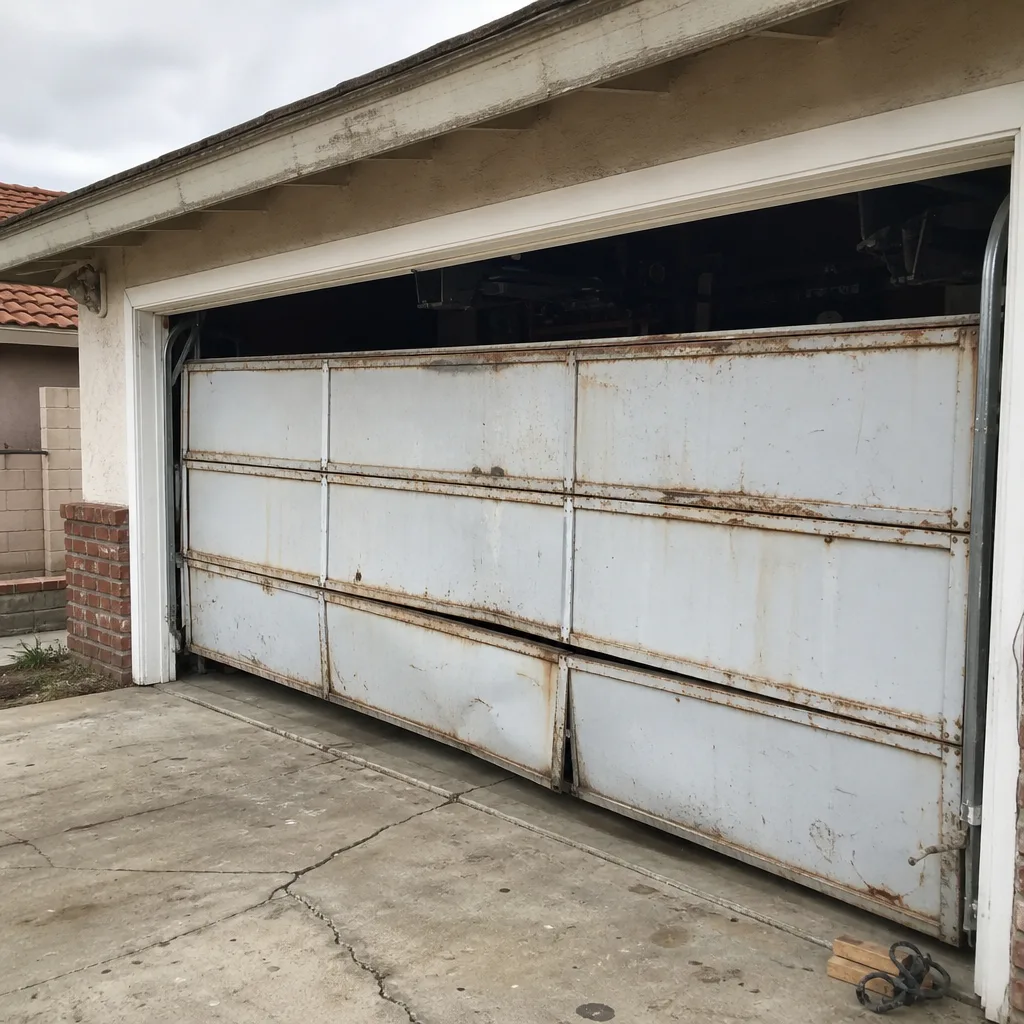 Before
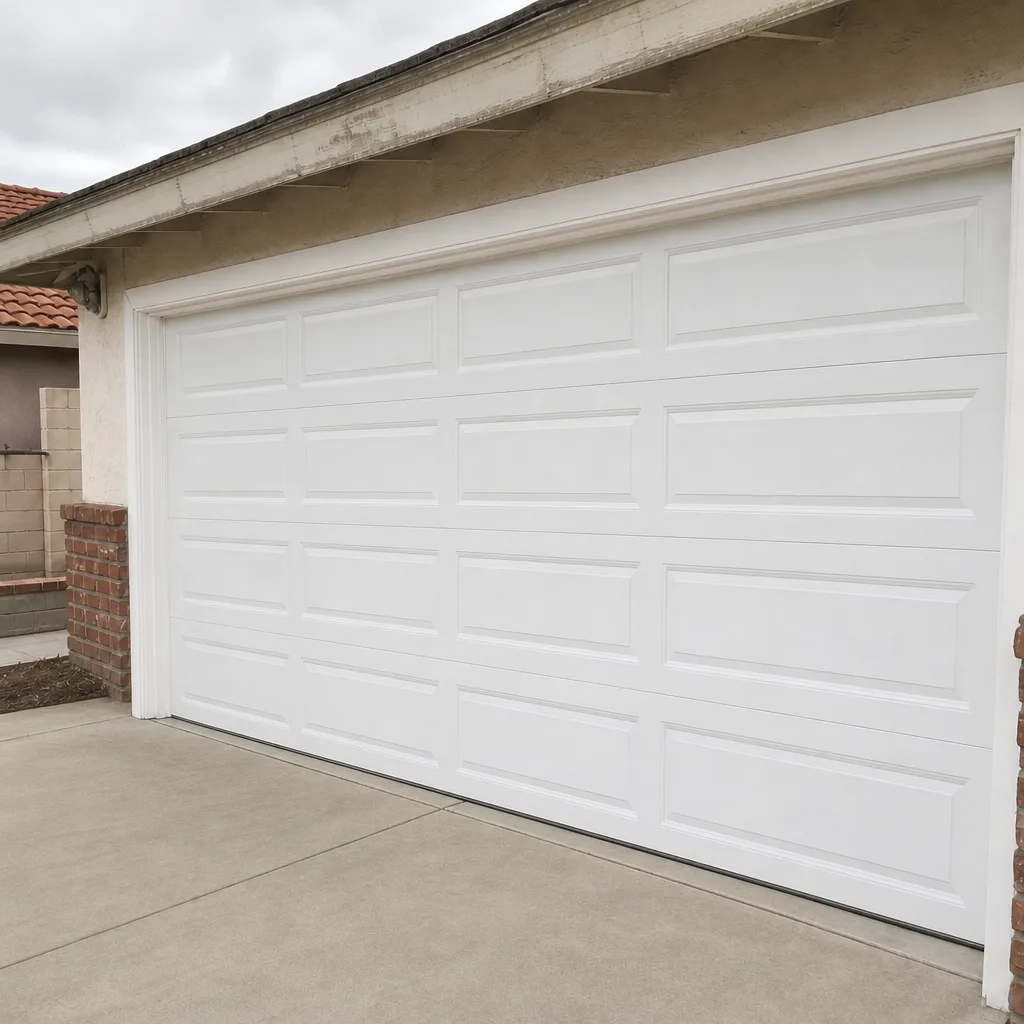 After
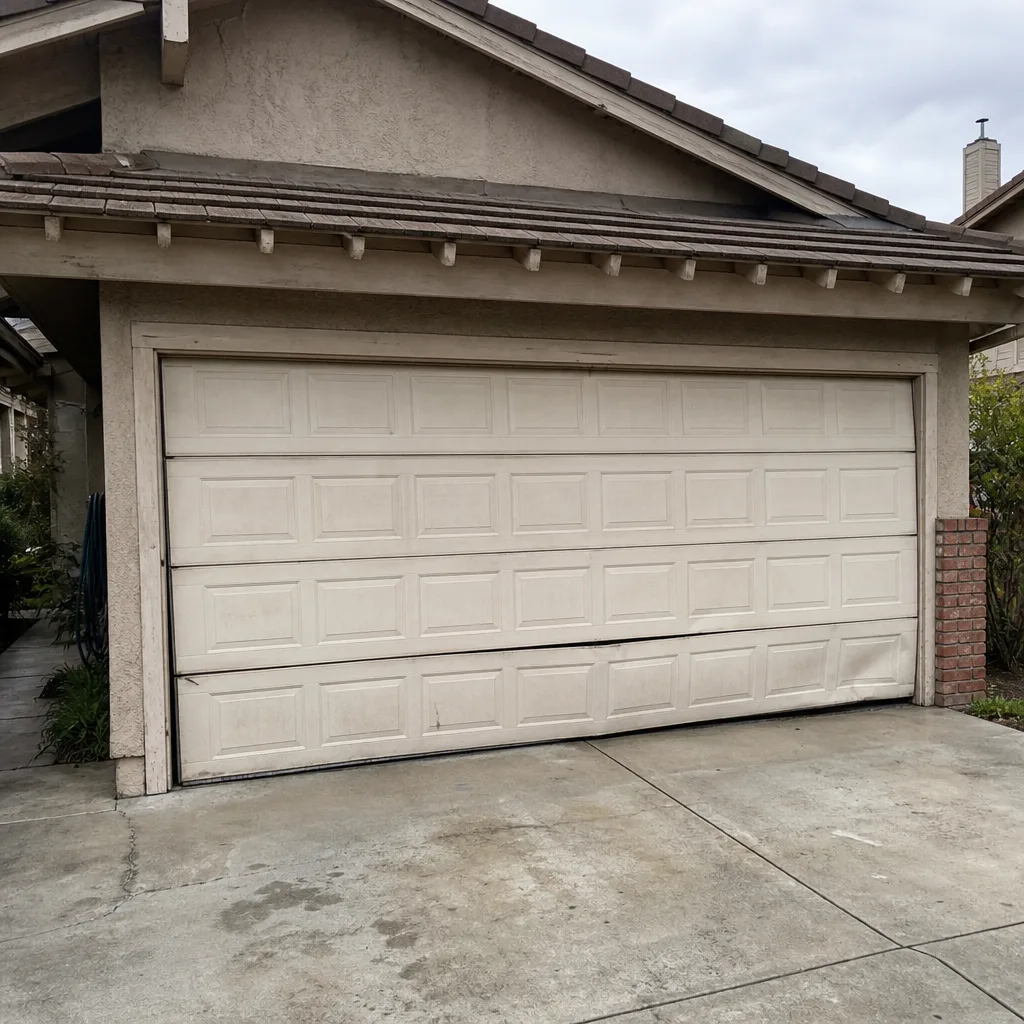 Before
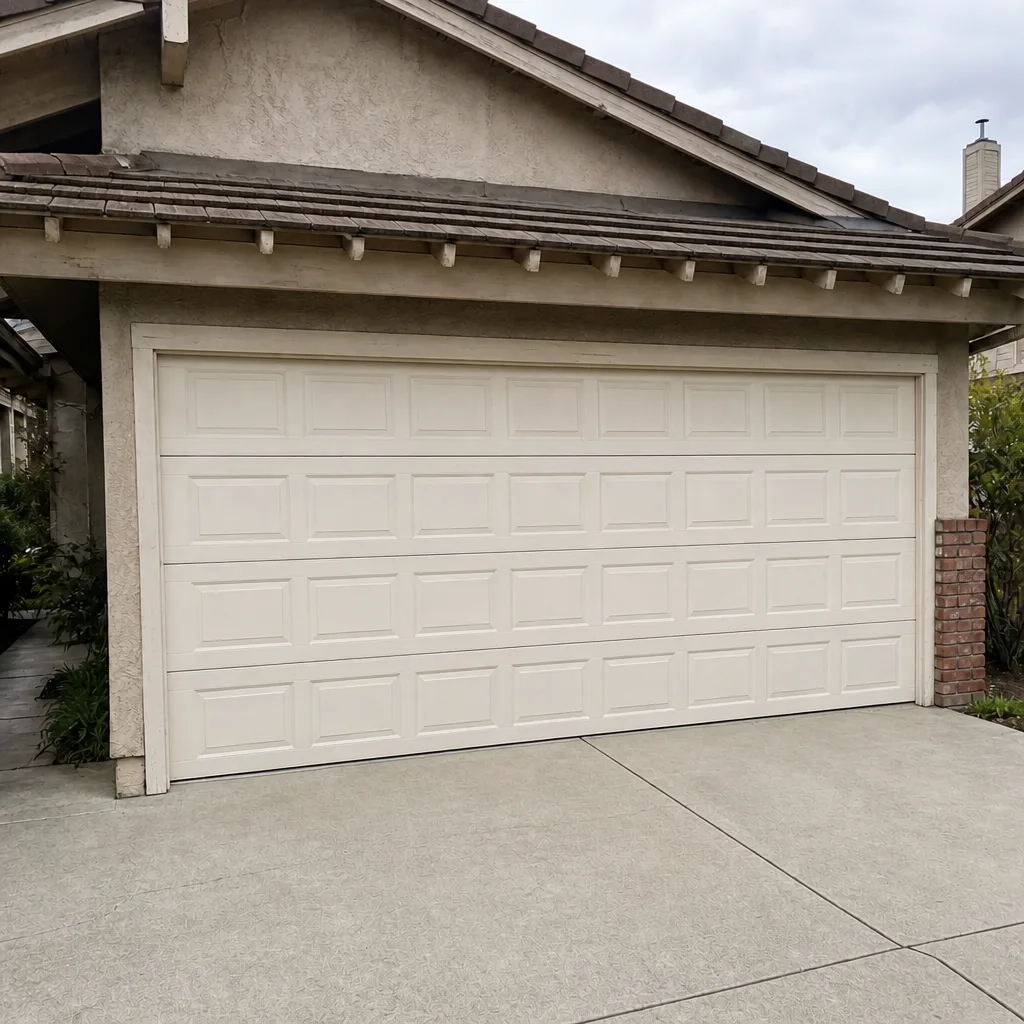 After
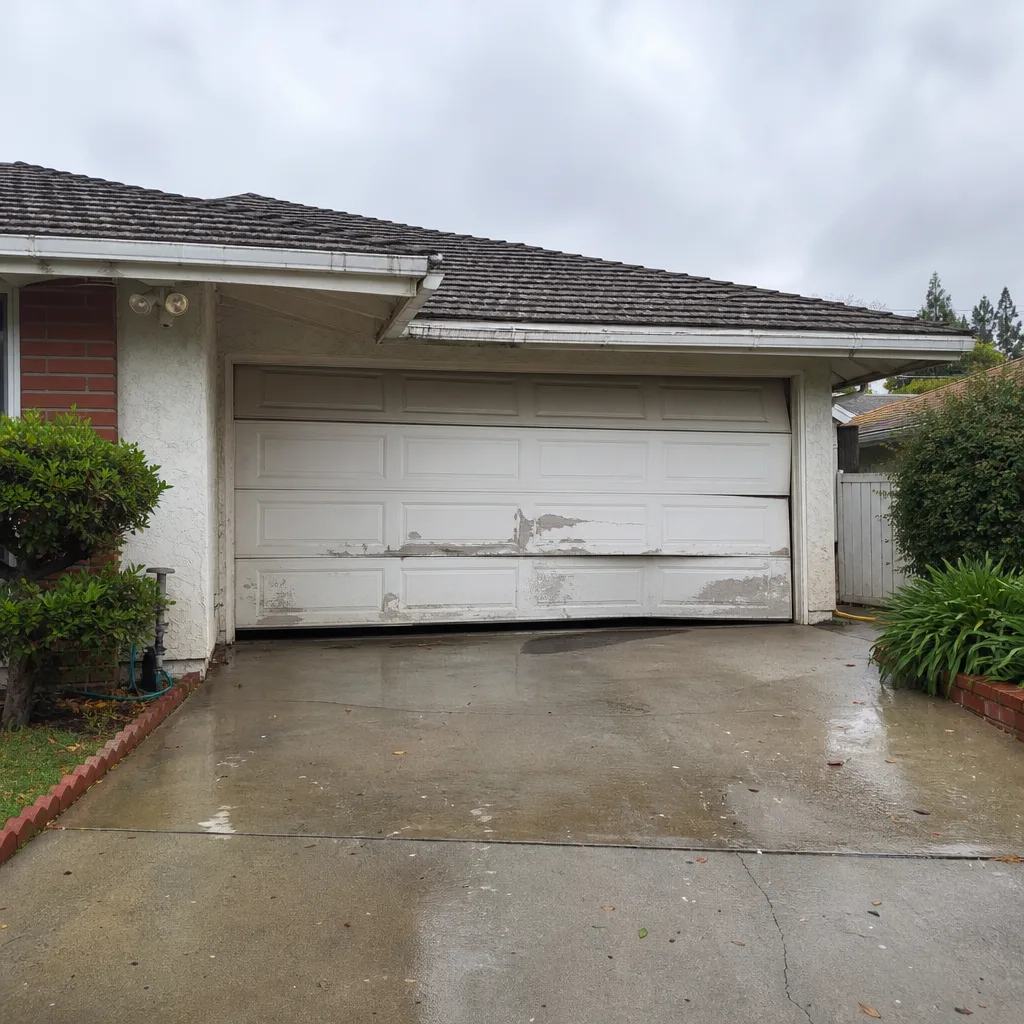 Before
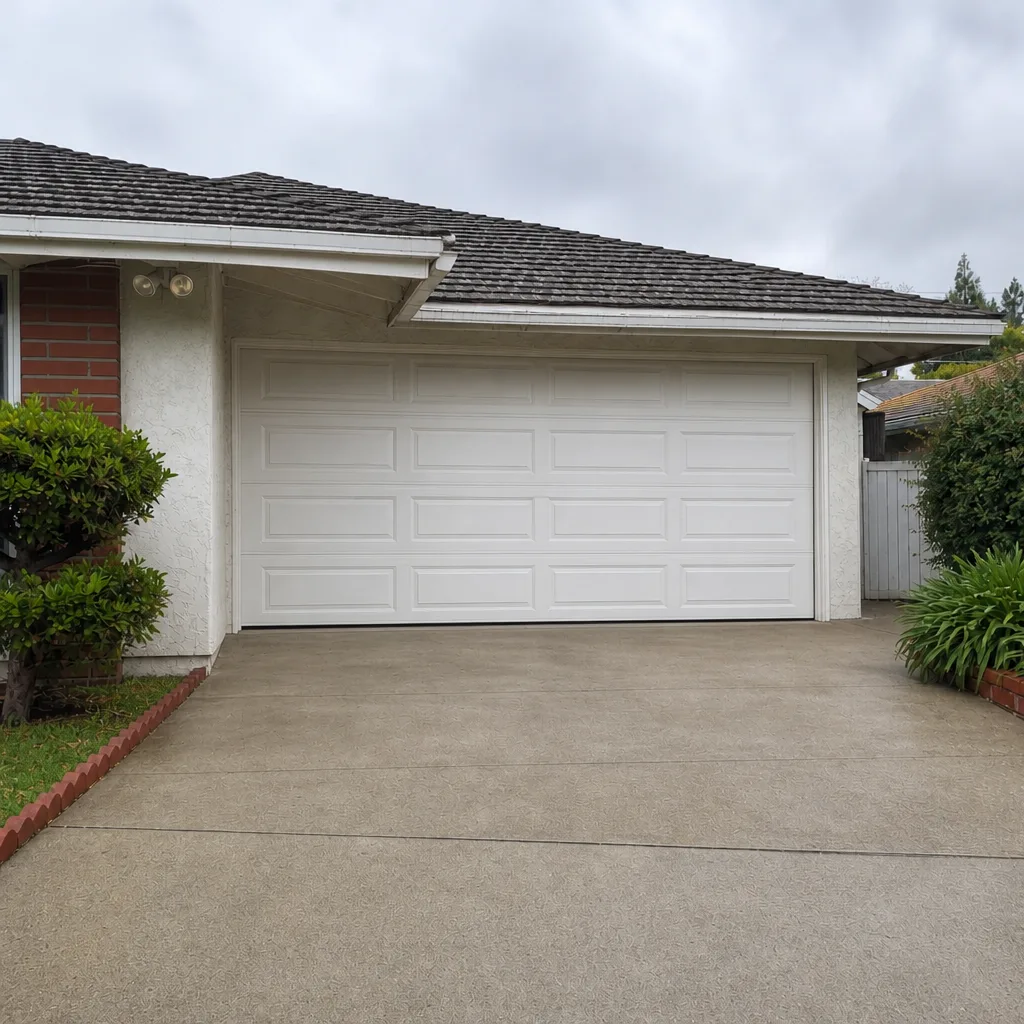 After