
Last updated November 4, 2026
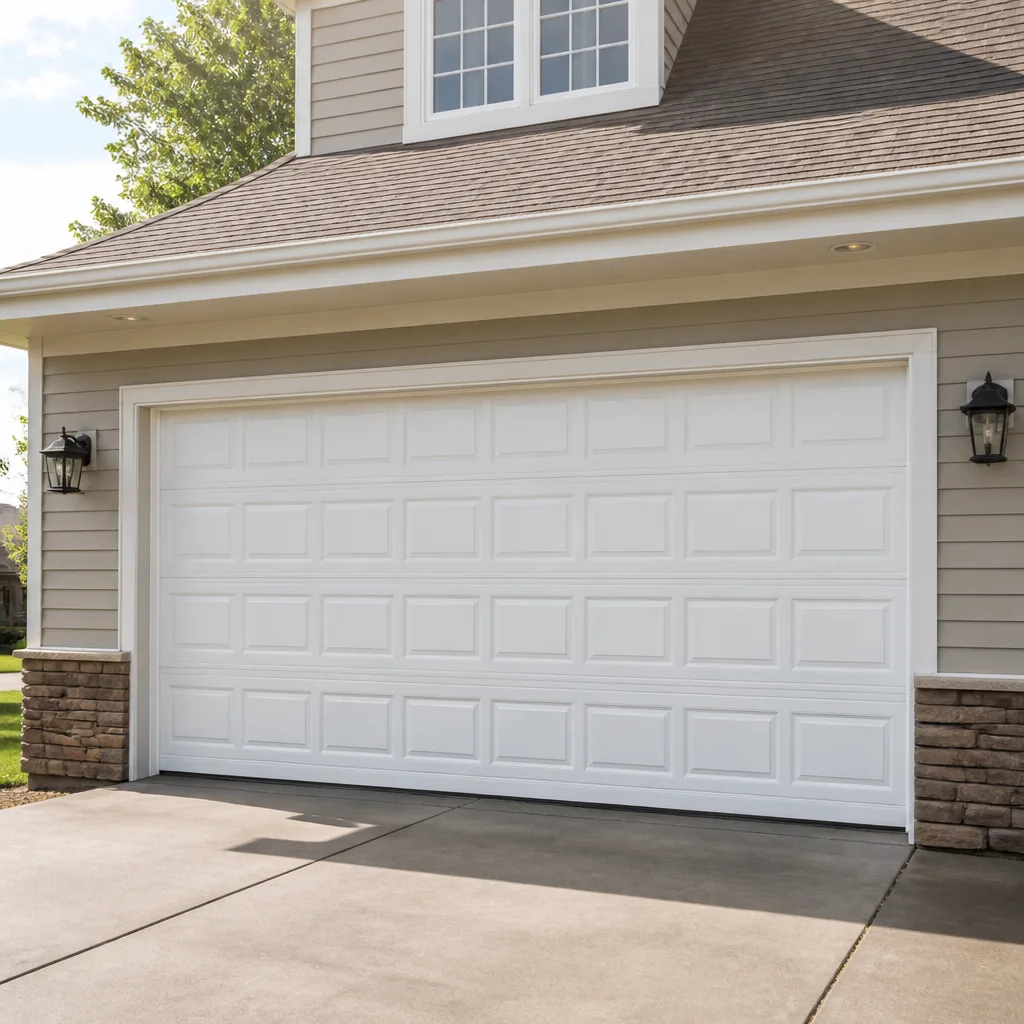 Raised-panel steel
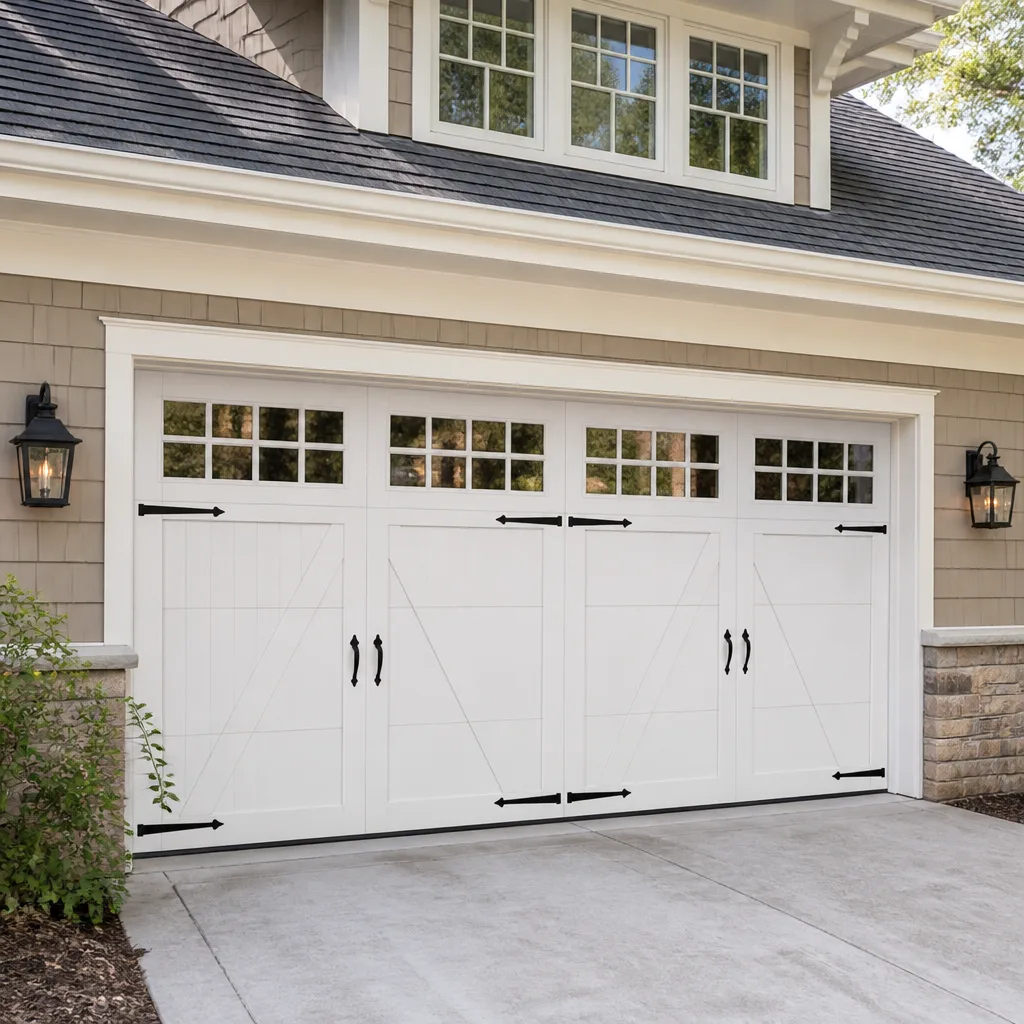 Carriage house
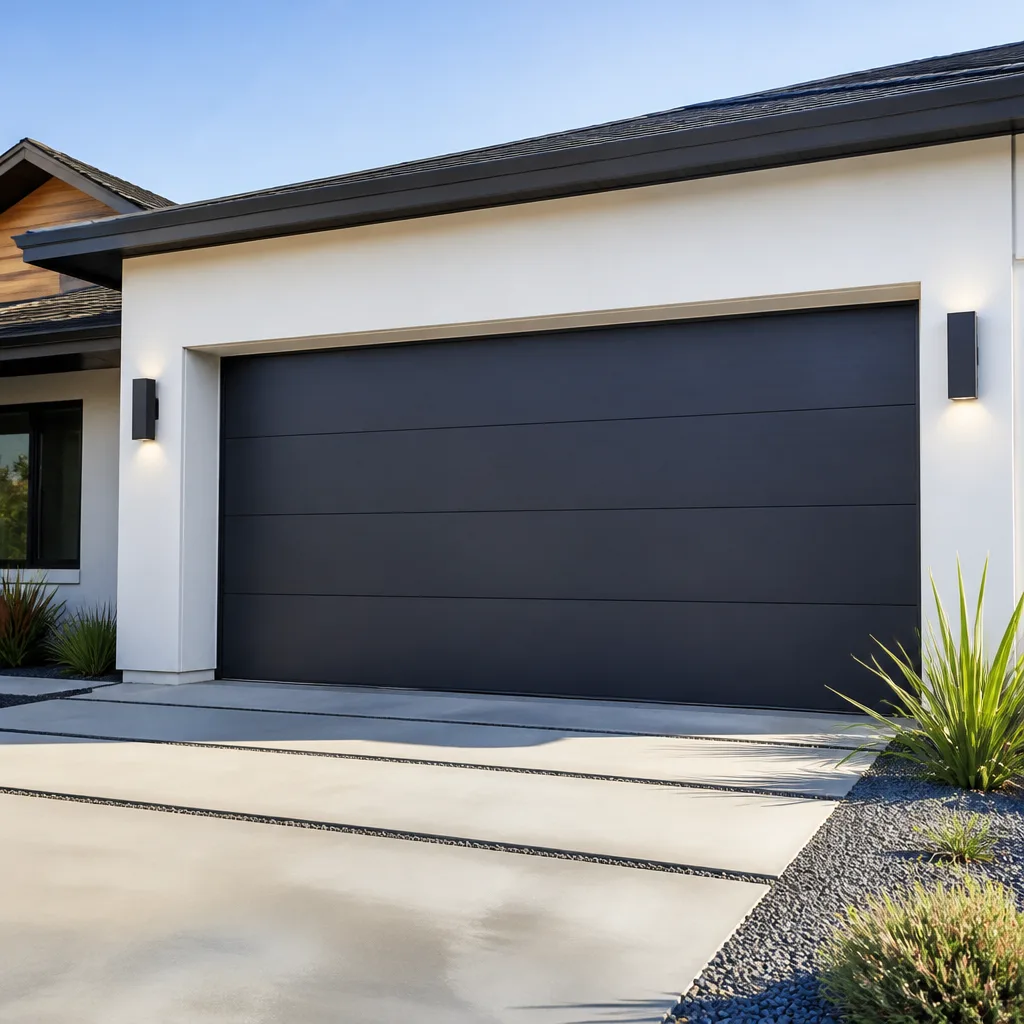 Modern flush
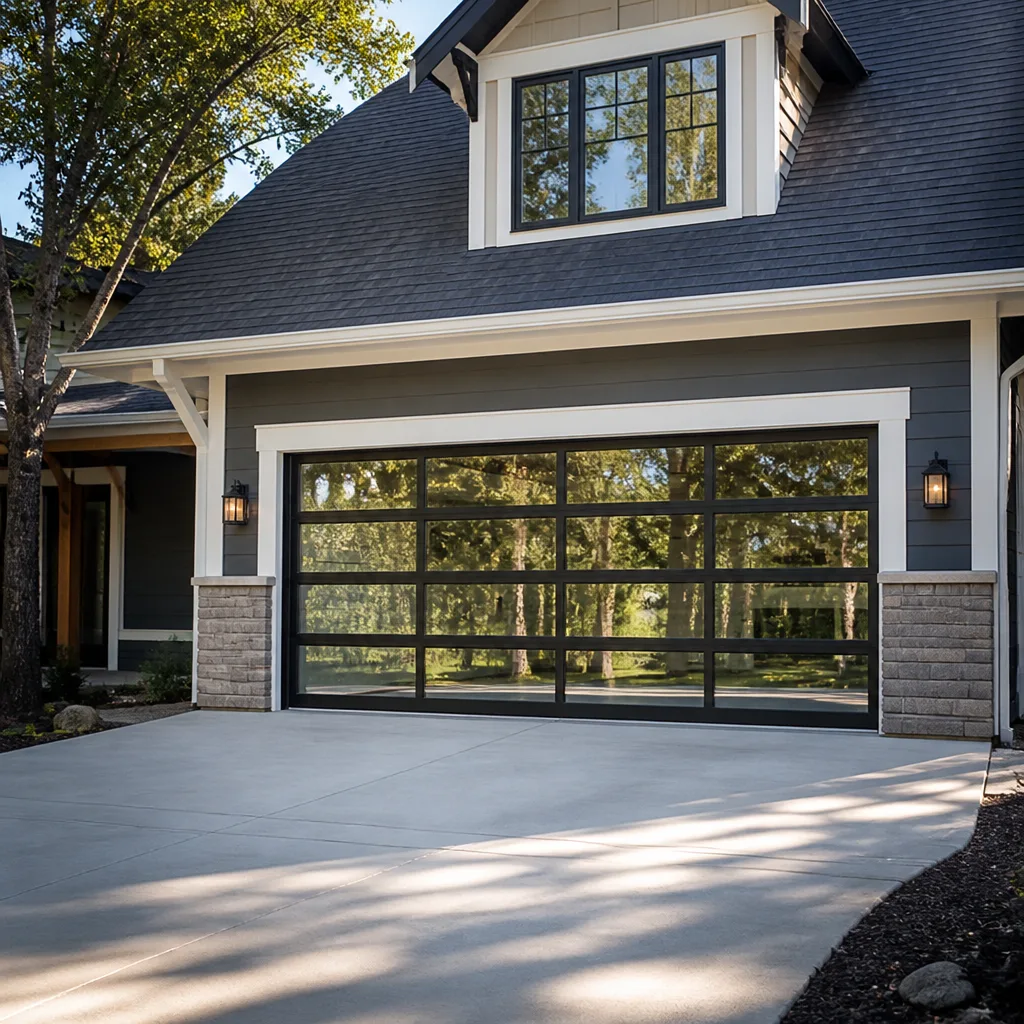 Full-view glass
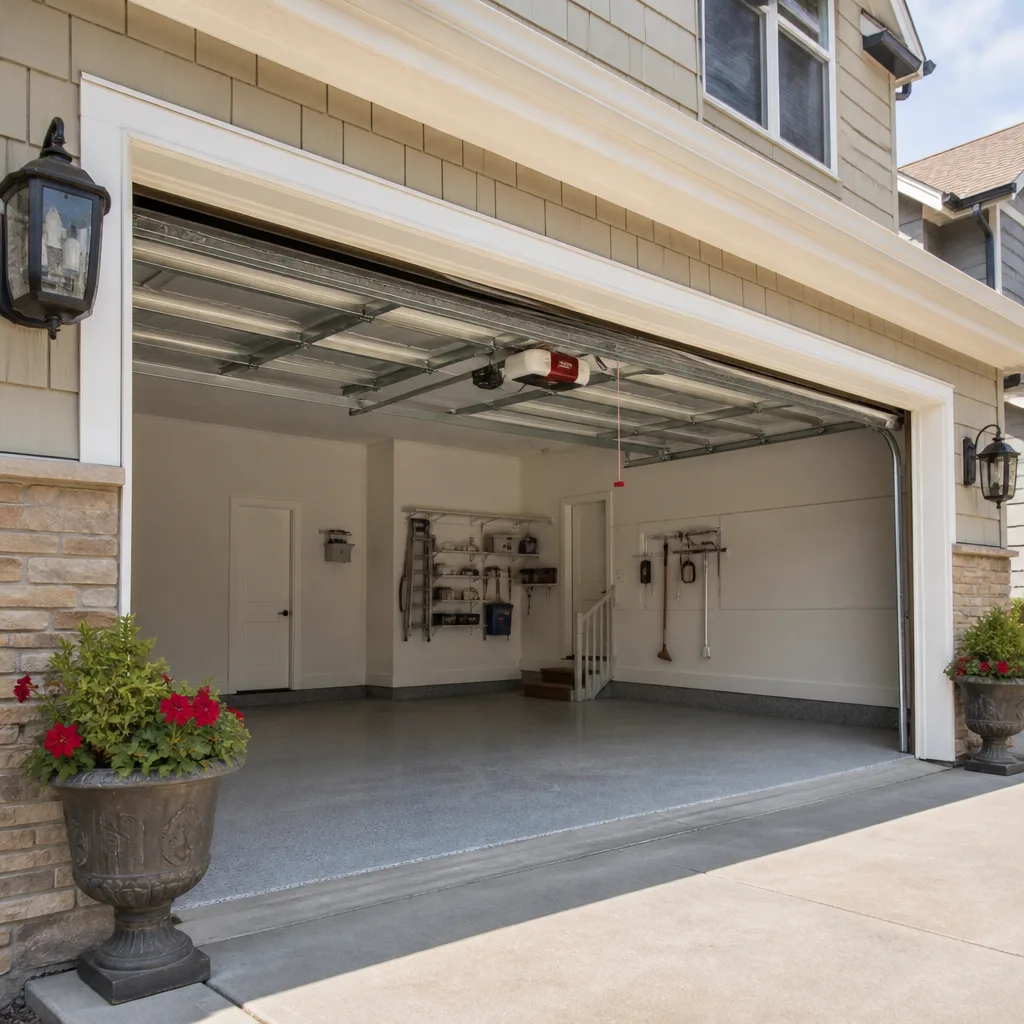 LiftMaster openers
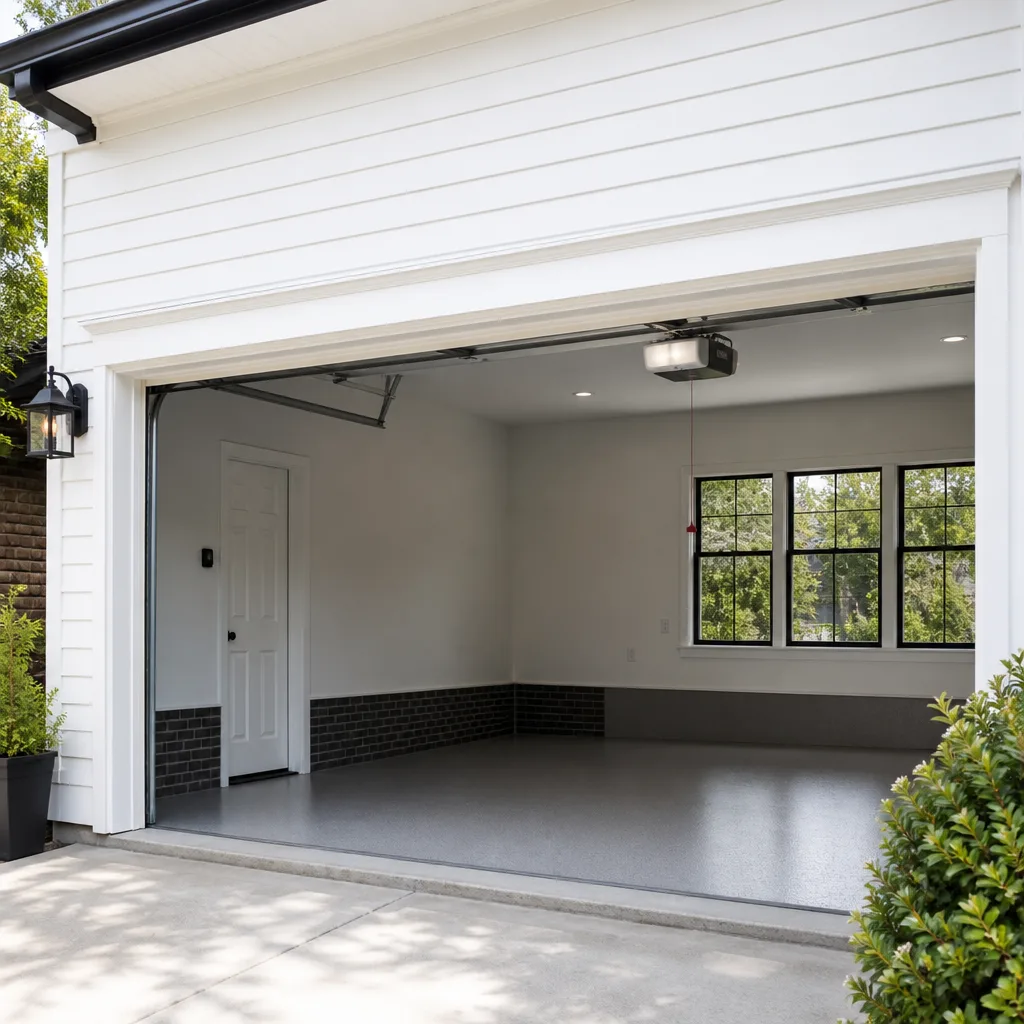 Chamberlain openers
Full 25-point door and opener safety check with every visit - springs, cables, rollers, tracks, and your LiftMaster or Chamberlain opener included
You get a price before we start. It does not change when the truck arrives.
Get your free estimateGarage Door Repair Maintenance Checklist for Diamond Bar Homeowners
Most garage door maintenance advice you’ll find online was written for places with snow, ice, and freezing winters. Diamond Bar is not that place, and your garage door knows it. The dry heat, intense UV exposure, and occasional seismic shifts here create a very specific set of failure points that generic checklists simply miss. This guide is built for Diamond Bar specifically: what to check, when to check it, and which tasks you can handle yourself versus which ones need a trained professional. You’ll get a seasonally adjusted 12-month calendar, learn how to spot earthquake-related damage before it becomes a breakdown, and understand why your door’s lubrication schedule here is different from what the manufacturer’s manual assumes.
Styles & brands we work with
- Raised-panel steel
- Carriage house
- Modern flush
- Full-view glass
- LiftMaster openers
- Chamberlain openers
Quick Answer
A garage door maintenance checklist for Diamond Bar homeowners should include monthly visual inspections of rollers, hinges, and tracks; lubrication every 3 to 4 months due to low humidity; quarterly weather seal checks for UV damage; twice-yearly balance tests; and a post-tremor inspection of all brackets, bolts, and track anchors after any noticeable earthquake. Most of this you can do yourself, but spring, cable, and opener motor work should go to a qualified technician.
Table of Contents
- Why Diamond Bar Is Different for Garage Doors
- Monthly Visual Inspection Checklist
- Lubrication Schedule for Low-Humidity Environments
- Seismic Readiness and Post-Tremor Checks
- Heat and UV: Panels, Seals, and Opener Ventilation
- What You Can Safely Do vs. What Needs a Technician
- 12-Month Maintenance Calendar for Diamond Bar
- Common Mistakes to Avoid
- When to Call a Professional
- Frequently Asked Questions
- The Bottom Line
Why Diamond Bar Is Different for Garage Doors
Diamond Bar sits inland, with hot summers, mild winters, and very little rain. That climate profile changes how metal, rubber, and plastic components degrade. Lubricants evaporate or thin out faster in sustained heat. Rubber weather seals crack and shrink under intense sun exposure, even when the temperature is comfortable. And because the area experiences occasional seismic activity, stress on brackets and track anchors accumulates in ways homeowners in more geologically stable regions never consider.
In our experience maintaining doors across Diamond Bar, the most common failures we see are not the dramatic cable snaps or shattered springs that people fear. They’re the slow-developing problems: a slightly misaligned track that grinds rollers down over months, a weather seal that cracked quietly and now lets dust and heat into the garage, or a motor that overheats because its ventilation slots are packed with fine dry debris. The checklist below is weighted toward these real-world failure patterns, not the generic “lubricate every six months” advice written for humid climates.
If the door is already making noise or struggling to open, start with garage door repair before diving into preventive maintenance. A door that’s already failing will only worsen without addressing the root cause.
Monthly Visual Inspection Checklist
Once a month, walk through this list. It takes about five minutes. You’re looking for changes from the last time you looked, not perfection.
- Listen to the door as it opens and closes. A smooth door makes a low, even mechanical sound. Grinding, scraping, rattling, or any change in sound from last month means something is wearing or loosening.
- Look at the rollers. Nylon rollers with worn or cracked surfaces should be noted. Steel rollers with visible flat spots or wobble need replacement. In Diamond Bar’s dry air, roller bearings lose internal grease faster than in coastal or humid climates.
- Check the hinges and brackets. Look for rust (less common here, but possible after rare heavy rain), visible gaps where metal meets metal, or bolts that have backed out. Use a wrench to check snugness on the most accessible ones, but do not overtighten.
- Inspect the weather seal along the bottom of the door. Look for cracking, flattening, or gaps where the seal meets the concrete. Diamond Bar’s UV exposure hardens rubber seals faster than the national average, so this gets its own section below.
- Scan the track alignment. Stand back and look at both vertical tracks. They should run straight up with no visible bowing or gaps where they meet the wall brackets. A shifted track is a common symptom after tremors.
- Check the door balance manually. With the door closed, pull the emergency release cord (it’s the red handle hanging from the opener rail). Lift the door by hand to waist height and let go. It should stay put. If it drops, the springs are losing tension and need professional attention. Reconnect the opener afterward.
If any of these checks reveals something amiss, address it now. Small problems in garage door systems compound quickly, especially in hot weather when metal expands and shifts.
Lubrication Schedule for Low-Humidity Environments
The old rule says lube your garage door every six months. That works in places with average humidity. In Diamond Bar, where summer heat regularly pushes temperatures into the 90s and the air stays dry, lubricants break down more quickly. We recommend a 3 to 4 month interval as the practical sweet spot for local conditions.
Here’s what to lubricate and what to leave alone:
- Rollers: Only if they have exposed metal bearings. Fully sealed nylon rollers don’t need external lubrication, and adding oil can attract dust that accelerates wear.
- Hinges: A light application of a lithium-based garage door lubricant on the pivot points keeps them moving freely. Avoid WD-40; it’s a solvent that strips existing lubricant and offers no lasting protection.
- Torsion springs: Apply a light coat along the coil surface. This reduces friction noise and protects against surface rust. But do not attempt to adjust, replace, or remove a torsion spring yourself. These springs are under extreme tension and can cause serious injury if mishandled.
- Track: Do not lubricate the tracks. Rollers should roll on the track, not slide. Oil on tracks only traps dust and grime, which in Diamond Bar’s dry conditions creates a grinding paste that accelerates wear. If the tracks are dirty, wipe them with a dry cloth.
- Opener chain or screw drive: Check your opener type. Chain drives need a light dose of lubricant on the chain at the same 3 to 4 month interval. Belt drives and newer screw-drive openers from brands like Chamberlain or LiftMaster have different requirements. Refer to your manual, or call us if you’re unsure.
One adjustment unique to Diamond Bar: if your garage faces direct afternoon sun, lubricants on the spring and hinges will thin out faster than on a shaded door. South and west-facing garages here may need lubrication as often as every 2 months during peak summer. Watch for the door sounding louder or moving less smoothly; that’s your cue.
If your opener is part of the problem, whether it’s the motor, the remote, or the wiring, garage door opener repair covers that side of the system.
Seismic Readiness and Post-Tremor Checks
Diamond Bar experiences real seismic activity, and your garage door is one of the largest moving mechanical systems in your home. Even small tremors can loosen hardware or shift track alignment slightly, which then wears components unevenly until a larger failure occurs. After any noticeable earthquake, run through this sequence:
- Do a visual scan of the horizontal track and ceiling mounts. Look for fresh gaps, shifted brackets, or hardware that was flush and now isn’t.
- Check the garage door opener’s safety sensor alignment. Sensors are mounted low on both sides of the opening. A tremor can knock one out of alignment, which causes the door to reverse when you try to close it.
- Cycle the door once and listen. New noises that weren’t there before often point to something having shifted. Trust the sound.
- Test the balance again. Pull the release cord and lift manually. A door that was balanced before a quake but isn’t after one may have damaged springs or moved hardware.
- Inspect the bolts holding the track to the wall and the opener to the ceiling. If any are loose, snug them down. If any are stripped or spinning freely, stop and call a professional. A stripped bolt means the mounting point can’t hold tension properly.
Beyond the door itself, seismic shifts can subtly warp the garage opening frame. A door that used to close flush against the floor might develop a small gap on one side. That gap lets in dust, heat, and pests, and it also means the weather seal isn’t doing its job. Have a technician evaluate whether the door needs re-leveling or whether the hardware needs adjusting to compensate.
Heat and UV: Panels, Seals, and Opener Ventilation
Diamond Bar’s heat is different from Phoenix heat because it’s moderated by elevation, but it still gets hot enough to affect garage door components. Three areas deserve specific attention:
Weather Seals
The bottom seal (also called a bottom retainer gasket) and the perimeter seals around the door frame degrade from UV exposure even when the temperature is mild. In Diamond Bar, these seals typically show cracking within 2 to 3 years of installation, sometimes sooner if the door faces direct afternoon sun. Check them quarterly. A cracked seal lets hot air, fine dust, and the occasional critter into the garage. Replacing a bottom seal is often a straightforward job, but the specific seal profile must match your door brand. A universal seal rarely fits well on doors from Clopay, Amarr, or Wayne Dalton, because each manufacturer uses its own retainer profile.
Panel Condition
Steel panels handle Diamond Bar heat without much issue, but certain paint finishes fade and chalk more quickly on unshaded doors. Wood or wood-composite doors are rare in Diamond Bar but do exist; they can develop hairline cracks as the wood expands and contracts through dry, hot seasons. On any panel, watch for developing gaps between panels as the door moves. If you see daylight coming through between sections when the door is closed, the hinges connecting those panels may be wearing or the panel edges may be degrading.
Opener Motor Ventilation
Your opener motor sits near the ceiling, where garage temperatures in Diamond Bar routinely climb well above outside temperatures. Motors from LiftMaster, Chamberlain, Genie, and other brands have internal thermal protection, which means they shut down rather than burn out. But repeated thermal shutdowns shorten motor life. Keep the motor’s ventilation slots clear of dust and debris, especially after Santa Ana wind events, which carry fine particulate matter that settles into everything. A quick pass with a vacuum brush every other month during fire season is a small step that can prevent a bigger problem.
What You Can Safely Do vs. What Needs a Technician
There’s an honest bright line here, and knowing where it sits will save you money and keep you safe.
Safe for a careful homeowner:
- Visually inspecting all visible parts
- Lubricating hinges, springs, and chains with the right product
- Tightening accessible bolts that have backed out
- Cleaning debris from tracks and opener ventilation slots
- Testing door balance with the release cord
- Checking and cleaning the safety sensors
- Replacing the remote battery
Not safe for a homeowner; call a professional:
- Adjusting, replacing, or even touching tension on torsion springs. Garage doors in Diamond Bar typically use torsion spring systems, and these springs hold enough force to cause severe injury or death if they slip or snap during DIY work.
- Any work on cables. The cables work in tandem with the springs under the same tension risks.
- Replacing a bottom seal that requires removing the bottom bracket. That bracket is often under spring tension. On many doors, the seal can be slid out without touching the bracket; if that’s not possible on yours, leave it to a professional.
- Adjusting or replacing track sections. Track alignment is precision work. A track that’s even slightly off will grind rollers into early failure.
- Any electrical diagnosis inside the opener motor unit. Even though openers run on household current, the wiring and capacitor can deliver a serious shock. The opener communicates with safety sensors and wall controls; those parts are replaceable, but when you open the motor cover itself, you’ve crossed the line.
In Diamond Bar, we see homeowners save money by doing the first list consistently and then catch issues early enough that the second list stays rare. That’s the whole point of this guide. And when you do need someone on the second list, Harbor Garage Door Service works on the door and opener you already own, rather than pushing a replacement.
12-Month Maintenance Calendar for Diamond Bar
Diamond Bar doesn’t have four distinct seasons in the traditional sense. We have a long warm season, a shorter hot season, and a mild winter with occasional rain. The calendar below matches that reality.
January – February (Mild, occasional rain)
- Run the full monthly checklist once in January
- After any rain, check for rust on hinges and springs and wipe metal parts dry if needed
- Inspect weather seals before March; this is the best time to replace cracked seals before the dry season begins
- Run the opener through a full open/close cycle and check the safety sensors
March – May (Warming, dry, Santa Ana winds possible)
- Start the 3-month lubrication interval here
- After high-wind events, clean dust from tracks, sensors, and opener ventilation
- Check the door balance; winter temperature swings may have affected spring tension
- Inspect all bolts and brackets; this is also a good time for a thorough seismic check if there’s been recent activity
June – September (Peak heat)
- Lubricate at the 3-month mark (June, then again in September), and consider a 2-month interval if your door faces west or south
- Check weather seals monthly; the heat and UV are hardest on rubber during these months
- Vacuum opener ventilation slots monthly to prevent overheating and thermal shutdown
- Watch for panel warping, especially on doors without shade
October – December (Cooling, occasional wind, best repair season)
- Run a full balance test and complete the monthly inspection in October
- Lubricate in November to prepare for the mild winter and whatever rain comes
- Replace any cracked or brittle weather seals now, before winter rain
- Test the emergency release and auto-reverse functions on the opener
- Schedule any overdue professional service now; this is the most comfortable season for a technician to work on your door, and it’s a good time to address small issues before the next heat cycle
If you live in any of Diamond Bar‘s neighborhoods and your garage faces the San Gabriel Valley side, west-facing doors will see the hottest afternoon sun. Your seal and lubrication intervals should skew shorter than what the calendar above suggests.
Common Mistakes to Avoid
- Using WD-40 as a lubricant. WD-40 is a penetrating solvent, not a long-term lubricant. It strips grease from roller bearings and hinges, then evaporates, leaving metal dry and noisier than before. Use a lithium-based or silicone-based garage door lubricant instead.
- Lubricating the track. This is the most common bad habit we correct. Rollers are designed to roll on the track, not slide. Lubricating the track makes it a dust magnet and creates a grinding paste that accelerates roller wear.
- Ignoring the balance test after a tremor. A door that drops from waist height after an earthquake often means damaged springs or loosened hardware. Ignoring it lets the problem migrate into the opener, which is a far more expensive fix.
- Replacing only one spring when a pair fails. Torsion springs cycle together and wear together. If one breaks on a two-spring door in Diamond Bar, the other is usually near the end of its life as well. Replacing only one means paying for labor again within a year.
- Buying a universal weather seal without checking the retainer profile. Doors from Clopay, Amarr, and other brands use proprietary retainer designs. A universal seal often doesn’t seat correctly, which means it pulls out of the track or lets gaps remain. Match the seal to the door.
- Skipping opener ventilation maintenance during fire season. Fine particulate matter from regional brushfires and Santa Ana winds settles on opener motors and clogs ventilation slots. A motor that can’t vent heat runs harder and wears faster. A quick vacuum pass every month during fire season makes a real difference.
When to Call a Professional
Some things on a garage door are genuinely unsafe to fix yourself, and knowing when to call someone saves you time, money, and risk. Call a professional if the door won’t open or close at all, if the springs are visibly broken or sagging, if the cables are frayed or off the pulley, if the track is bent or visibly out of alignment, or if the opener motor hums but doesn’t move the door. Also call if you’ve done a balance test after a tremor and the door won’t hold position, or if you see any hardware that’s visibly shifted or stripped. Harbor Garage Door Service offers free estimates in Diamond Bar. Call (833) 620-0390 to schedule an inspection. We answer 24/7, and fast dispatch runs from 7am to 7pm, Sunday through Friday.
Frequently Asked Questions
Every 3 to 4 months in Diamond Bar’s dry heat, or every 2 months during peak summer if your door faces direct afternoon sun from the west or south. Low humidity and sustained heat thin out standard garage door lubricants faster than in coastal or humid climates, so the typical six-month advice doesn’t hold up here.
After any noticeable tremor, inspect the horizontal track ceiling mounts, the vertical track wall brackets, the safety sensor alignment, and the door balance. Look for fresh gaps where hardware was previously flush, listen for new noises as the door cycles, and snug any loose bolts by hand. If anything is stripped or the door no longer balances, call (833) 620-0390 for a professional inspection. Estimates are free.
No, and this isn’t a matter of skill level. Garage door torsion springs are under enormous tension, and working on them without proper training and tools carries a real risk of serious injury or death. In Diamond Bar, most doors use torsion systems, not the older extension spring style. Call a professional for any spring work.
In Diamond Bar’s UV-heavy climate, bottom and perimeter weather seals typically last 2 to 3 years before cracking or flattening. Check them quarterly, and if you see cracks, gaps, or a seal that no longer sits flush against the floor, replacement is overdue. Match the replacement seal to your door brand, since Clopay, Amarr, and Wayne Dalton each use different retainer profiles.
Most likely it’s thermal protection engaging because the motor is overheating. Diamond Bar garages can run significantly hotter than outside temperatures in summer, and if the motor’s ventilation slots are clogged with dust, especially after Santa Ana winds or brushfire season, the unit has no way to shed heat. Vacuum the ventilation areas monthly during fire season and call us if thermal shutdowns continue.
Yes and no. The inspection and lubrication schedule in this guide applies to the mechanical systems on any residential garage door in Diamond Bar, regardless of brand. But opener-specific maintenance, seal replacement profiles, and certain hardware details differ by manufacturer. A LiftMaster opener and a Genie opener have different chain, belt, or screw drive needs, and door seals from Clopay use a different retainer than those from other brands. We work on what you already own, across all of those brands, so call (833) 620-0390 if you’re unsure what your specific system needs.
The Bottom Line
A garage door maintenance checklist for Diamond Bar has to reflect what actually happens to doors here: dry heat thinning lubricants, UV cracking seals, seismic activity loosening hardware, and dust choking opener motors. Monthly visual checks, a 3 to 4 month lubrication cycle, quarterly seal inspections, and a structured post-tremor sequence will catch most failures before they become breakdowns. The bright line between safe DIY work and professional-only work sits at springs, cables, tracks, and opener internals. Stay on the safe side of that line, follow the Diamond Bar calendar, and your door will outlast the generic maintenance advice written for colder, wetter places.
Written by the team at Harbor Garage Door Service, serving Diamond Bar since 2014.
Ready to get your garage door inspected or maintained? Call (833) 620-0390 for a free estimate. We answer 24/7. Fast dispatch from 7am to 7pm, Sunday through Friday.
See the difference
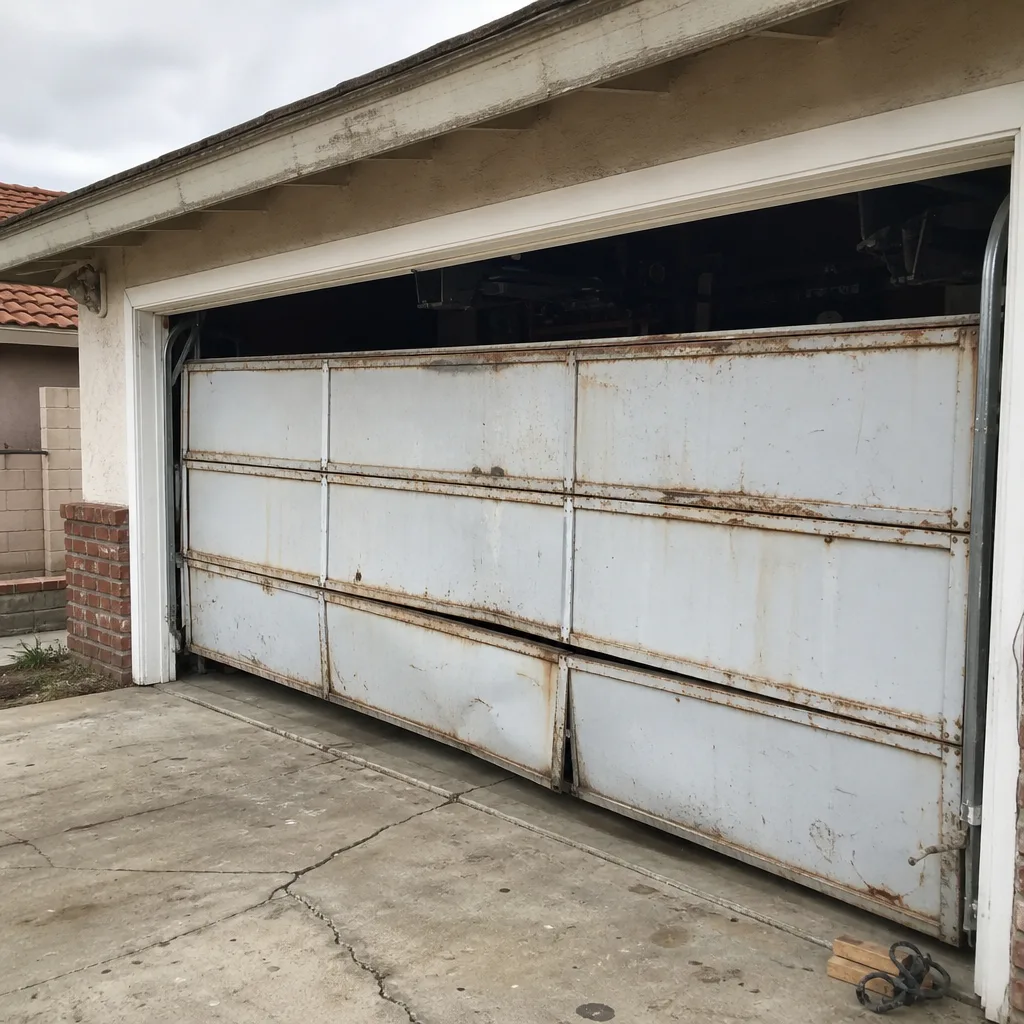 Before
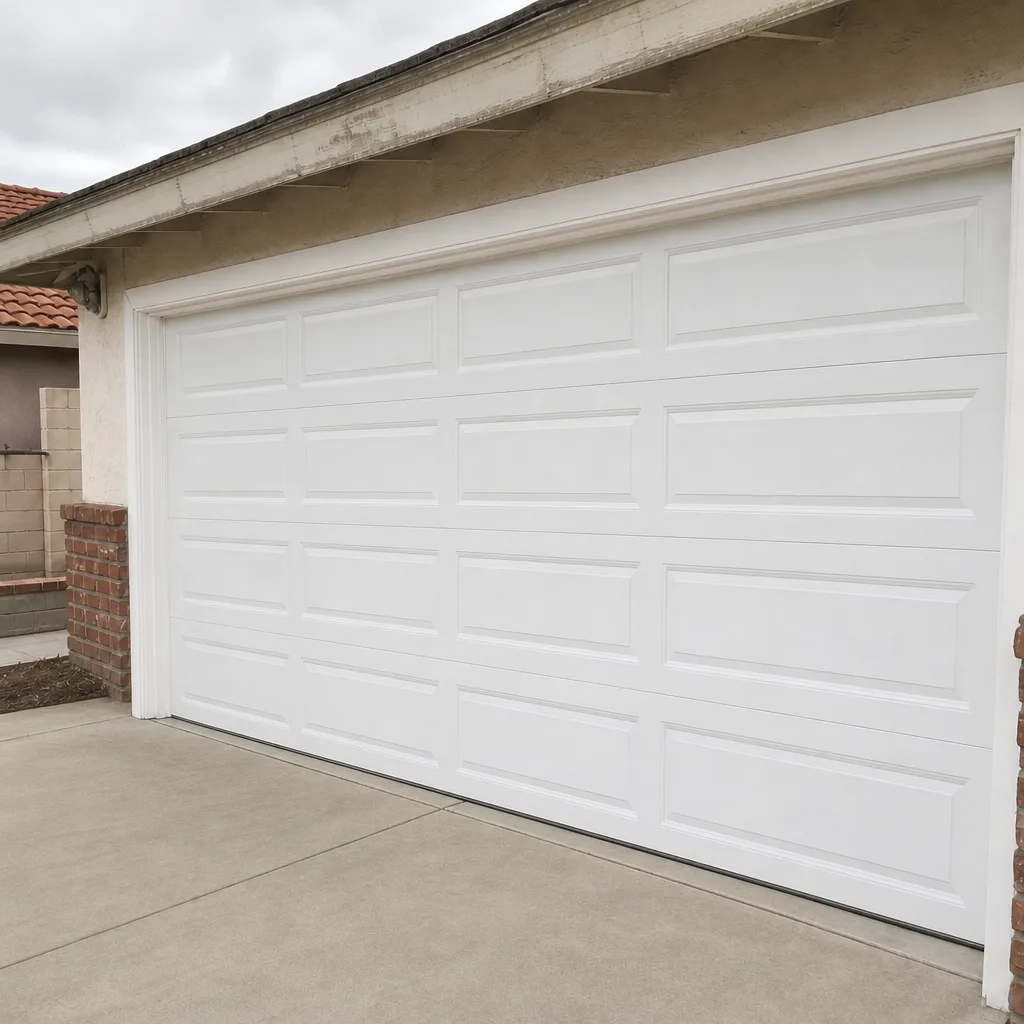 After
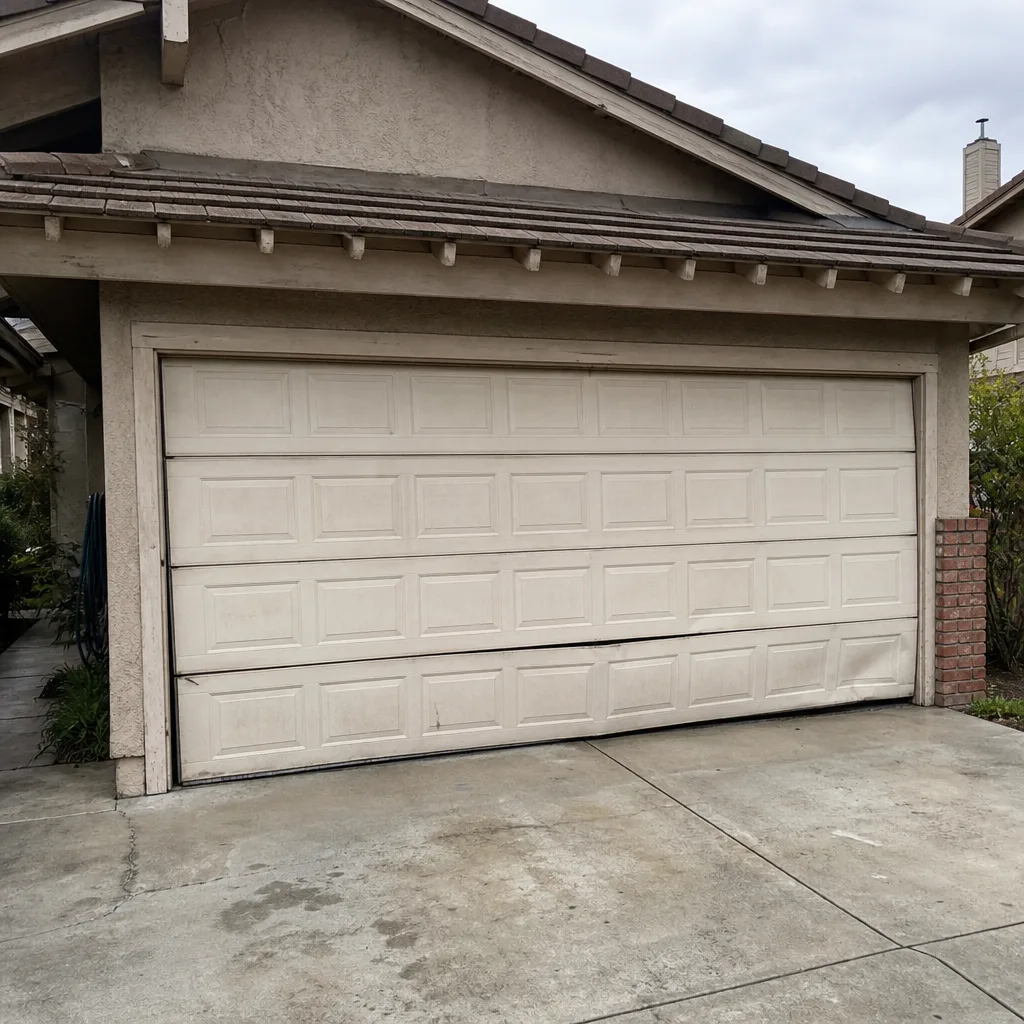 Before
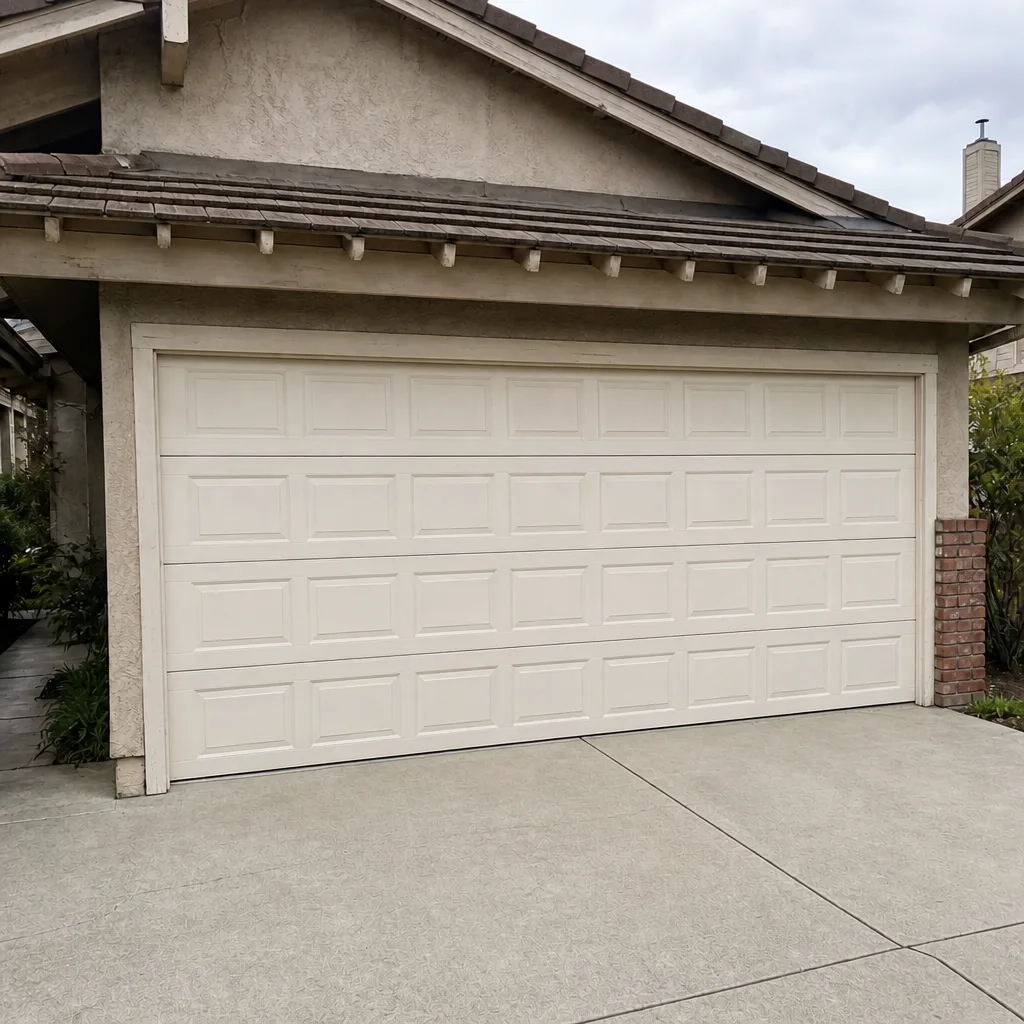 After
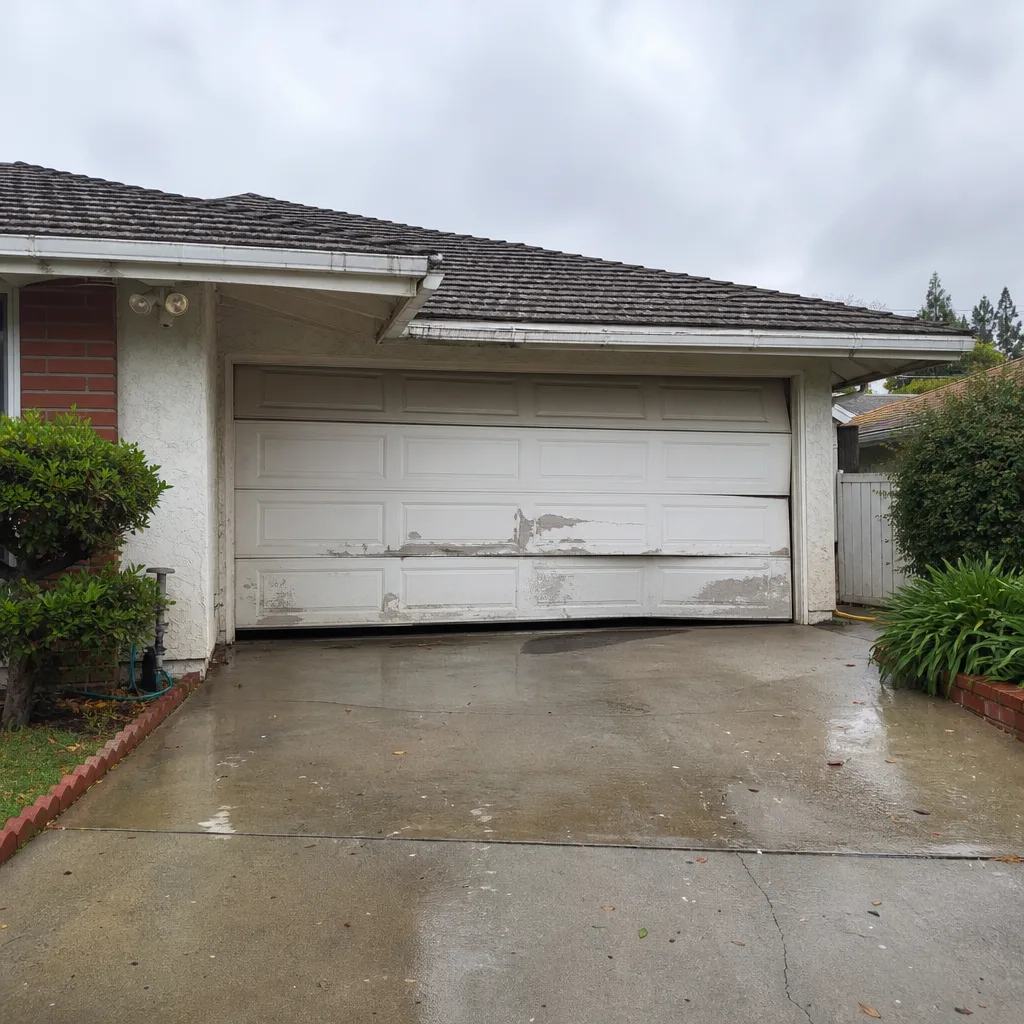 Before
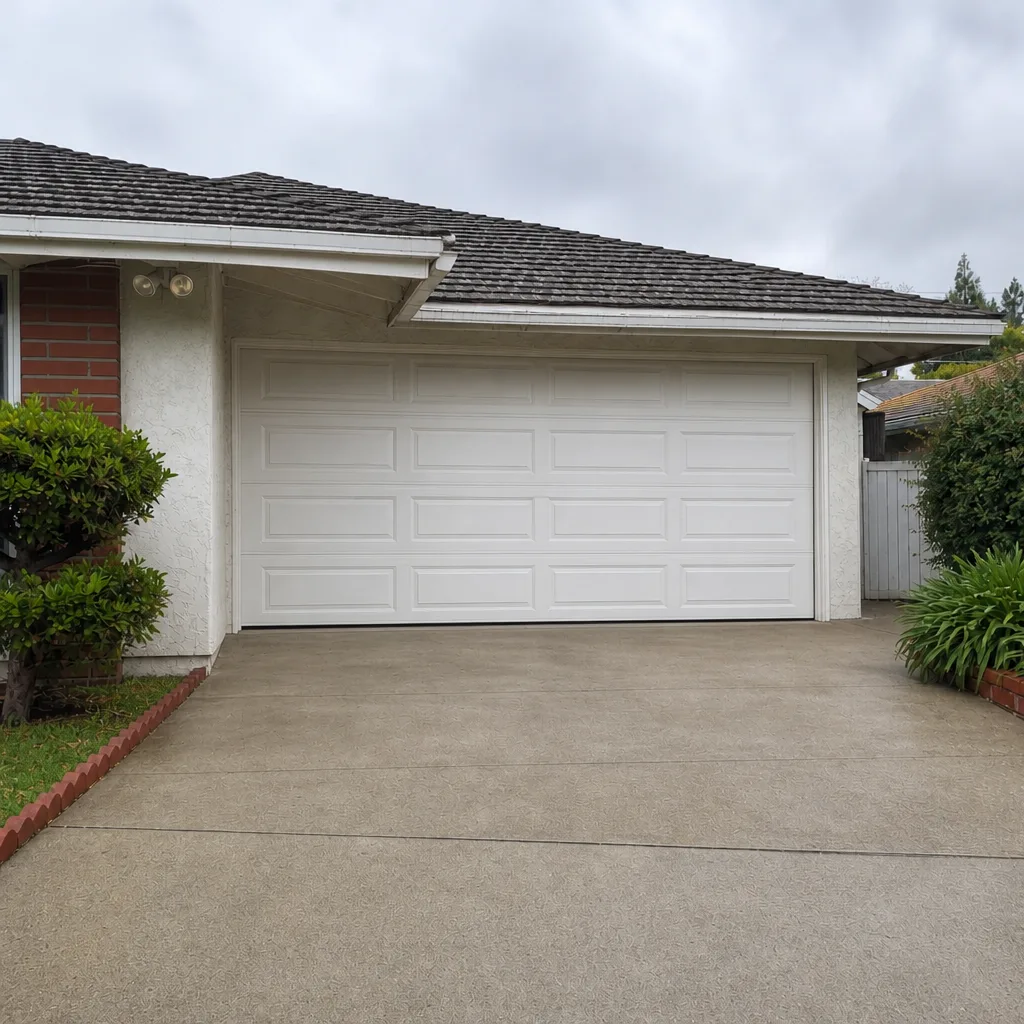 After