
Last updated November 4, 2026
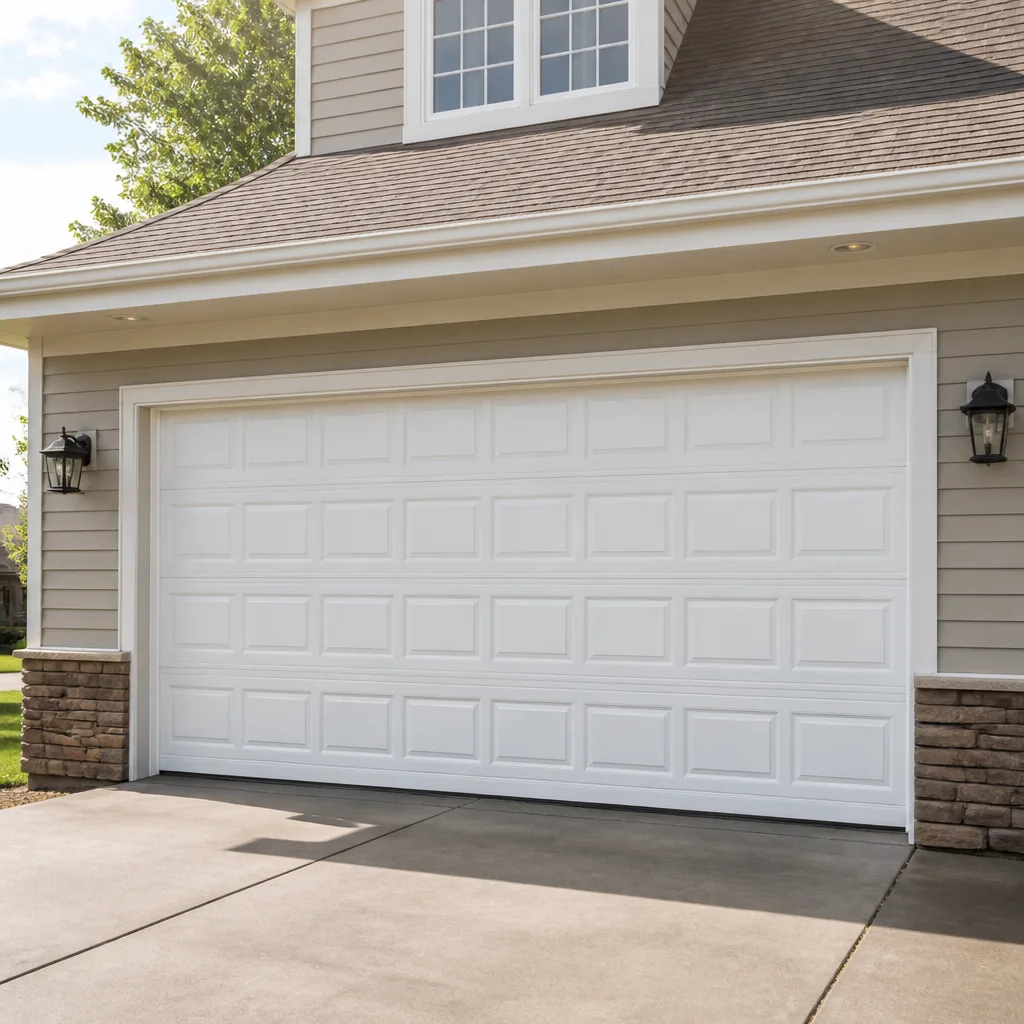 Raised-panel steel
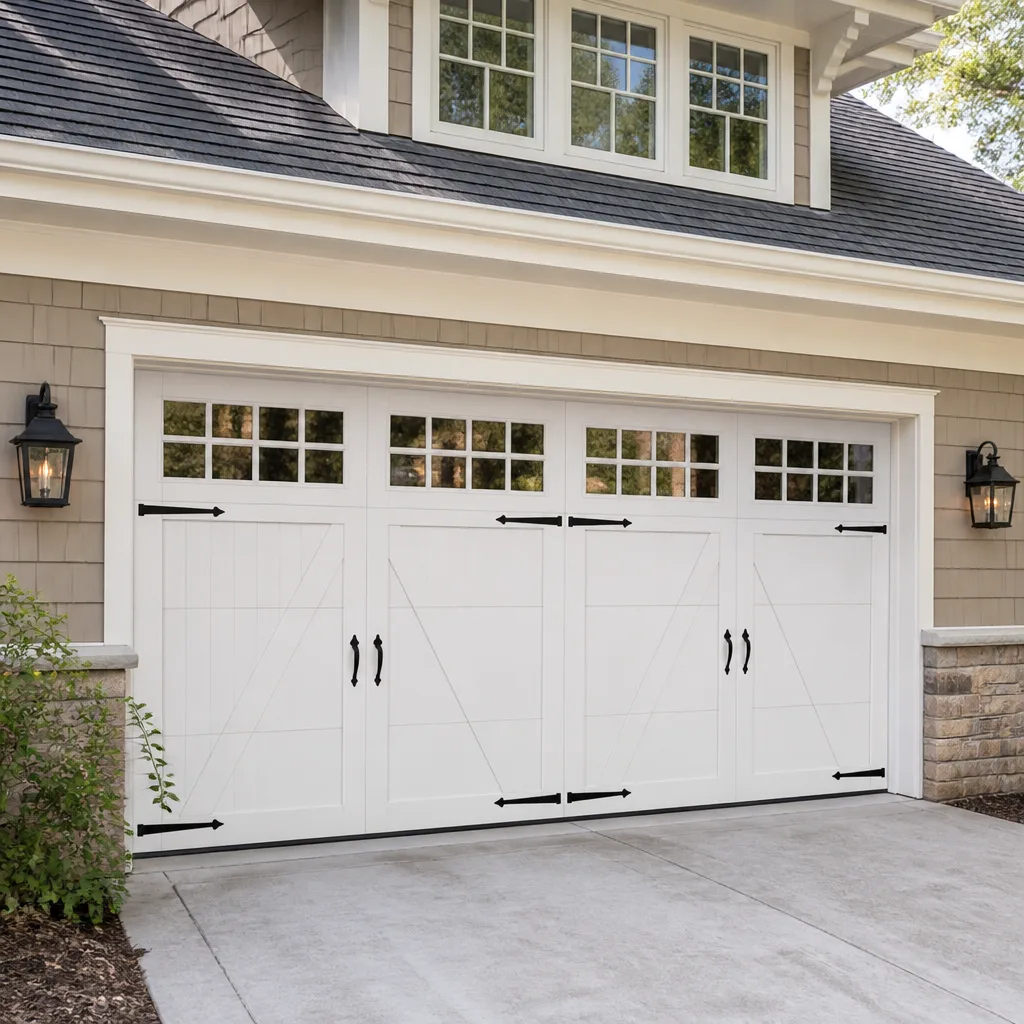 Carriage house
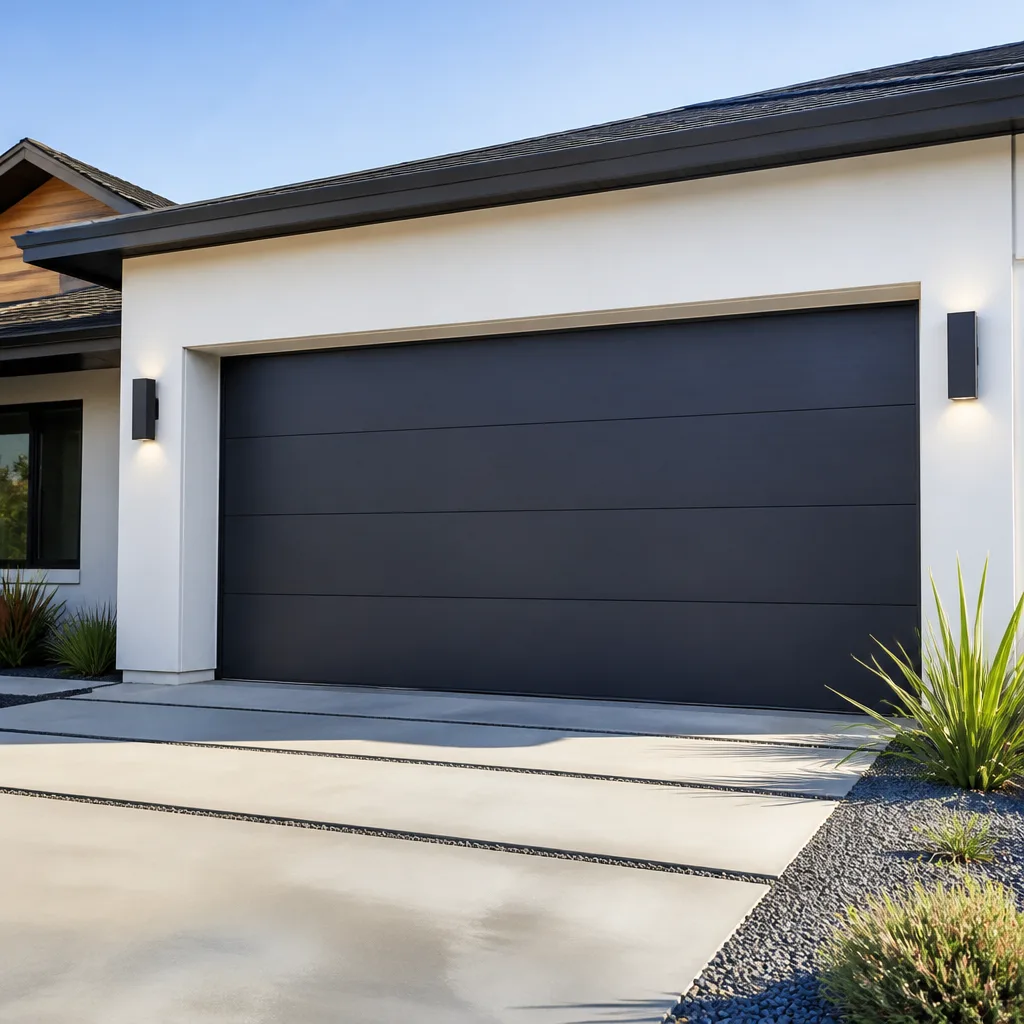 Modern flush
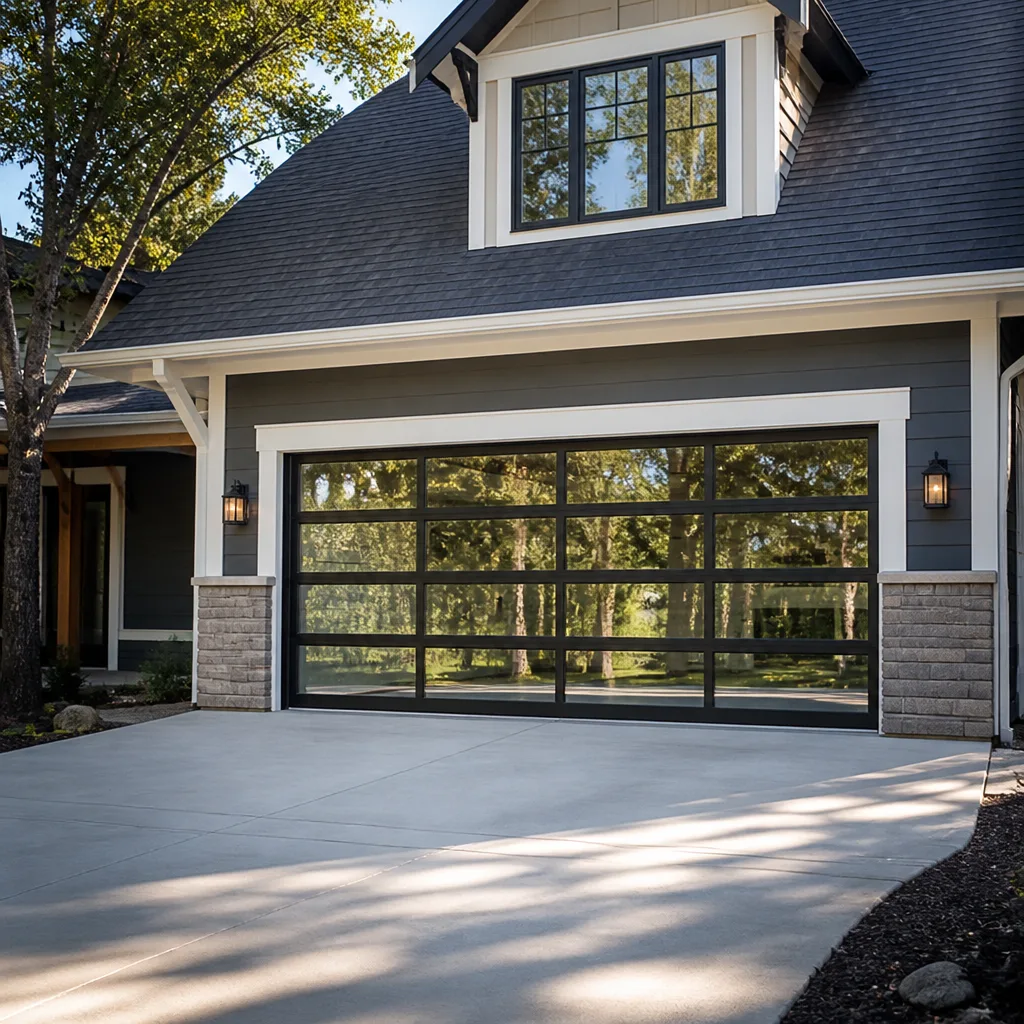 Full-view glass
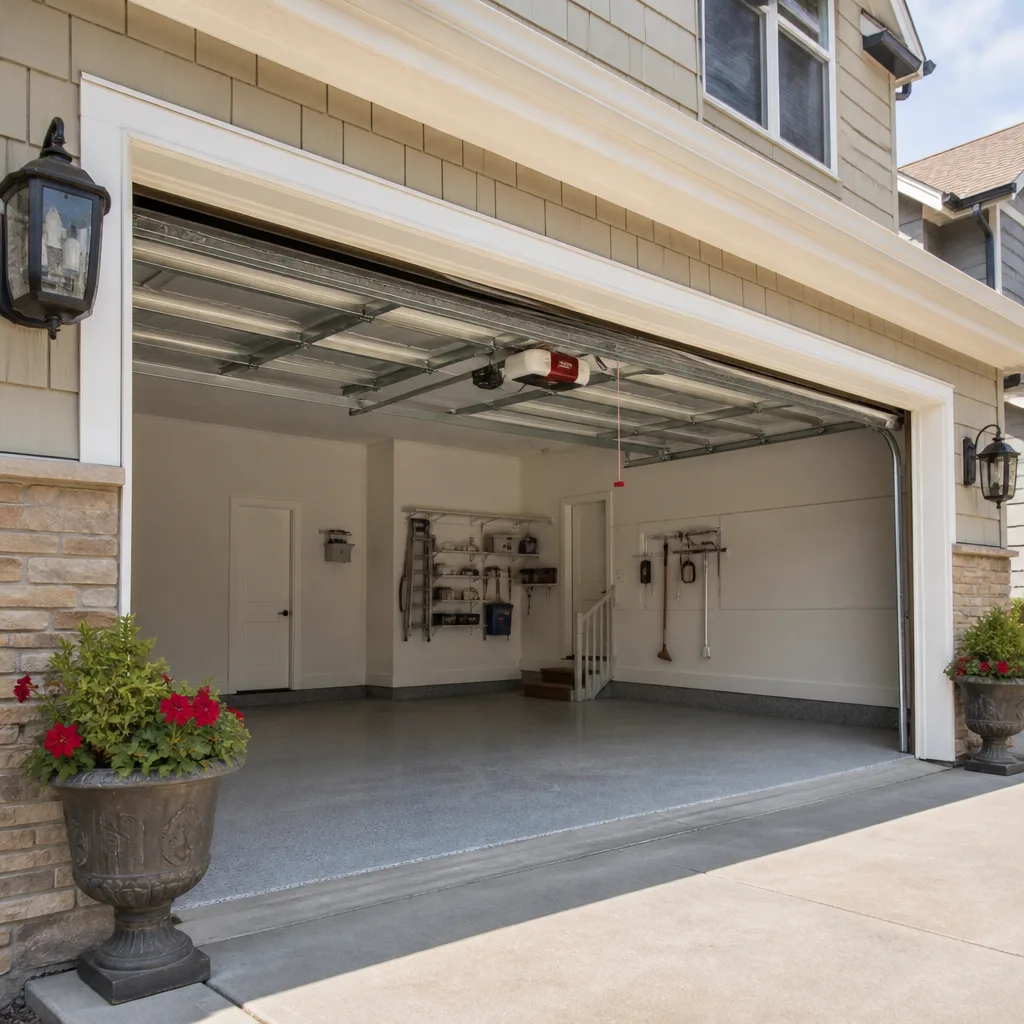 LiftMaster openers
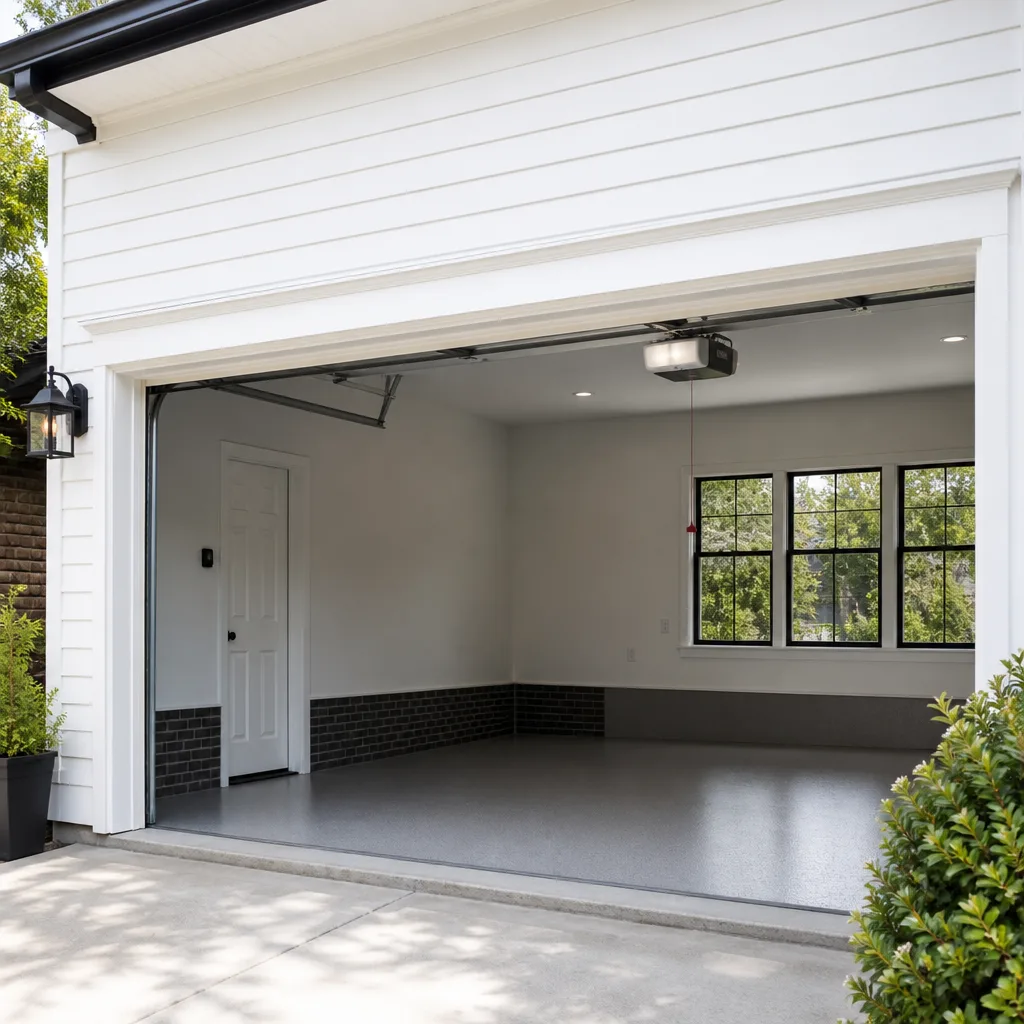 Chamberlain openers
Full 25-point door and opener safety check with every visit - springs, cables, rollers, tracks, and your LiftMaster or Chamberlain opener included
You get a price before we start. It does not change when the truck arrives.
Get your free estimateGarage Door Warning Signs: A Diamond Bar Homeowner’s Reference Guide
A garage door that hesitates for two seconds before opening isn’t just being slow. It’s a torsion spring that has lost tension and is likely 60 to 90 days from snapping, based on what technicians see repeatedly in Diamond Bar homes built in the 1980s and 90s. Most door failures announce themselves weeks or months before they happen, but only if you know which sounds, movements, and visual cues actually mean something. This guide gives you that vocabulary, specific to the doors, openers, and driveway conditions we see across Diamond Bar. By the end, you’ll know what to monitor, what to schedule, and what to stop using immediately.
Quick Answer
The most common garage door warning signs in Diamond Bar are grinding or squealing noises, a door that opens slower than it used to, visible gaps between door sections, and an opener that reverses or hesitates. Grinding almost always means worn rollers or bearings. A slow or heavy door usually points to a tired torsion spring. Any gap, bow, or asymmetry in the panels means the door’s structure is shifting, and that should be checked quickly before a cable lets go. If your door shakes, bangs, or refuses to stay up, stop using it and call a professional.
Styles & brands we work with
- Raised-panel steel
- Carriage house
- Modern flush
- Full-view glass
- LiftMaster openers
- Chamberlain openers
Table of Contents
- The Sound-to-Diagnosis Index: What Your Door Is Telling You
- Visual Tells: Gaps, Rust, and Panel Bowing
- Opener Behavior Diagnostics: Reversals, Lag, and Dead Buttons
- The Slow Creep Problem on Diamond Bar’s Sloped Driveways
- Urgency Tiers: Monitor, Schedule, or Stop Using the Door
- Common Mistakes to Avoid
- When to Call a Professional
- Frequently Asked Questions
The Sound-to-Diagnosis Index: What Your Door Is Telling You
Your garage door has a limited vocabulary, but it uses it consistently. A grind is not a squeal. A pop is not a bang. Each sound points to a specific component, and the faster you translate it, the cheaper the fix tends to be. Homes in Diamond Bar sit on gently rolling terrain, and many garages are attached to living spaces, which means sounds travel into the house clearly. If you can hear the door from the kitchen, that’s not a nuisance. It’s diagnostic information.
Here are the five sounds we hear most often from Diamond Bar doors, and what each one usually means.
- Grinding or metallic scraping: Worn rollers or dry bearings. The rollers ride inside the tracks, and over years the ball bearings inside them wear down and flatten. Metal-on-metal grinding is the sound of a roller that has stopped rolling. Left alone, it chews through the track.
- High-pitched squealing: Dry or failing rollers, but often the hinge points too. A quick lubrication can quiet it temporarily, but if the squeal returns within days, the roller is done.
- Popping or snapping during movement: A torsion spring binding against itself, a cable catching on a rough spot, or a hinge pin working loose. A single pop is not the spring breaking. A spring break is a much louder crack, like a gunshot from inside the garage.
- Loud banging or rattling when the door stops: Loose hardware, usually the track brackets or hinge bolts. The door’s weight hammers on whatever has come loose. This vibration accelerates wear on every other part.
- Silence from a door that used to make noise: This is easy to misread. You might think you fixed the squeak. What actually happened in many cases is the door stopped being used as often, a part seized entirely, or the opener’s force setting changed. Silence after persistent noise deserves a look, not a sigh of relief.
One Diamond Bar-specific note: dust from the hillsides and the 57/60 corridor settles on horizontal surfaces, and garage doors are no exception. That fine grit works its way into roller bearings and hinge joints. Doors in Diamond Bar tend to sound rougher sooner than doors in coastal cities with cleaner air, simply because of the particulate load during Santa Ana wind events.
If you hear any of these sounds consistently, garage door repair starts with identifying the exact source. Guessing at the sound usually means replacing the wrong part.
Visual Tells: Gaps, Rust, and Panel Bowing
You don’t need to touch anything to spot most developing problems. Stand inside the garage with the door closed and look at it the way a technician would. Three visual signals matter more than any others: gaps between sections, asymmetrical gaps along the edges, and panel bowing.
Gaps between sections, especially at the top. A steel door is a series of horizontal panels hinged together. When the door is closed, those panels should sit flush, with even spacing across the entire width. A gap that’s wider at one end than the other means the door is twisting. The source is almost always uneven spring tension or a cable that has stretched. A twisted door puts uneven load on every hinge and roller, and the next failure in that chain is usually a cable snap.
Rust patterns and what they reveal. Diamond Bar’s climate is not coastal, and we don’t deal with salt air. What we do deal with is intense summer UV and occasional morning condensation on steel panels that face east. Surface rust on the lower panels is common and cosmetic. But rust at the hinge points, the bottom bracket, or the cable drums is structural. Those components hold tension, and rust there means the metal is thinning under load. Rust at the bottom corners of the panels often spreads from standing water after a hose-down, which is common on the sloped driveways throughout the city.
Panel bowing. A panel that curves visibly differs from a dent. Bowing is a slow, even curve that develops over months. It happens when the door frame has shifted, when the strut across the top panel has loosened, or when the opener continues pulling on a door that binds partway up. In Diamond Bar’s older housing stock, particularly homes built in the 1980s, the original wood frames around the garage opening settle over time. The door gets slightly out of square, but the opener keeps pulling. Something has to give, and it’s usually a panel.
Walk outside and look at the door from 20 feet back. The horizontal lines should be continuous. If one panel looks darker, wavy, or pinched at an edge, that’s a structural warning, not a cosmetic one. A warped panel is not something to ignore until it gets worse. It’s already interfering with the door’s balance.
Opener Behavior Diagnostics: Reversals, Lag, and Dead Buttons
The opener is the most misunderstood part of the system. Most Diamond Bar homeowners assume that if the motor runs, the opener is fine. The truth is more useful: the opener is a feedback device. Its behavior is a readout of the condition of the door it’s attached to.
Here’s a numbered walkthrough of what to check when the opener acts strangely.
- Reversal during closing. The door starts down, travels a few inches or a foot, then reverses and goes back up. First, confirm nothing is blocking the photo eye sensors. If the sensors are clean and aligned, the reversal usually means the opener’s force sensor is detecting more resistance than it’s set for. The door has become heavier or stiffer, often from a weakening spring. The opener is not broken. It’s telling you the door is harder to move than it used to be.
- Remote lag of more than two seconds. You press the button and nothing happens until you’re already reaching for the house. Interference is possible, especially from LED bulbs in the opener itself or nearby electronics. But a consistent lag that gets worse suggests a failing receiver board in an older opener. The lag is not a dead battery symptom. It’s a hardware symptom.
- Inconsistent wall button. The wall button works every time, but the remote only works when you’re very close. The remote’s range shrinks as its internal components age, but weak remote batteries usually act differently: they either work or don’t, with little in-between. A shrinking range is usually a receiver antenna issue or a tired remote.
- The opener runs but the door doesn’t move. This is the emergency coupling, sometimes called the carriage, and it’s designed to disengage when the door is forced. If you hear the motor but the door stays still, the door either hit an obstruction or the spring failed and the opener ran against the door’s full dead weight. In either case, don’t re-engage it and keep using it. The door needs a manual check.
- Grinding from the opener head. A door-level grind comes from rollers or hinges. A grind from the motor housing itself is usually a stripped plastic drive gear, most common on LiftMaster and Craftsman chain-drive units. The opener is still trying to work, but the gear teeth are stripping. This only gets worse with continued use.
Diamond Bar homes have a wide mix of opener brands, but we see a lot of LiftMaster and Chamberlain units in the established neighborhoods, and plenty of Genie and Craftsman hardware in homes built from the 1990s onward. The good news is that garage door opener repair usually does not require replacing the entire unit. Most opener problems are component-level failures: gears, limit switches, sensors, and receiver boards. We work on the opener you already own, across all the major brands, so a diagnosis rarely starts with a pitch for a new motor.
The Slow Creep Problem on Diamond Bar’s Sloped Driveways
Many Diamond Bar neighborhoods are built on gentle to moderate slopes, and the driveway usually runs downhill from the garage to the street or upward toward the house. This matters more than most homeowners think, because the door’s weight distribution changes slightly as it moves through its travel on a sloped approach.
The “slow creep” is a specific symptom: the door begins to open at a normal speed, then slows noticeably halfway up, or it creeps downward after being opened. Homeowners often describe it as the door “feeling heavy” or “acting tired.”
There are three common causes, and they are easy to confuse:
- Torsion spring fatigue. Springs lose tension gradually as their coils fatigue. A door that creeps down after being fully opened is almost always a spring issue. The spring can no longer hold the door at the top of the arc. On a sloped driveway, the slight gravitational assist toward the street makes this creep more visible than on a flat lot.
- Track misalignment. When a door pulls harder on one side, the difference shows up as uneven wear on the rollers and the track. On a sloped lot, even a quarter-inch difference in track spacing becomes a constant source of drag. The door slows because it’s binding, not because the spring is weak.
- Opener force settings. The opener’s internal force adjustment is set to a certain resistance level. As the door ages and gets slightly stiffer, the opener works harder. Some homeowners or previous handymen compensate by adjusting the force limit upward, which masks the real problem and stresses the door further. We’ve opened units in Diamond Bar to find force settings nearly maxed out on doors that should have been repaired years ago.
The practical difference matters. If the spring is fatigued, the door needs spring work. If the track is misaligned, fixing the spring doesn’t solve it. If the force settings are wrong, the door keeps working until something breaks. On sloped driveways, these three factors interact, and the only reliable way to separate them is to inspect the door with the opener disengaged and watch how it moves by hand under its own weight.
Diamond Bar’s slopes also mean that a door drifting down because of a worn spring puts unmatched strain on the opener’s gear and brake. The repair bill compounds the longer the creep continues. A door that creeps down three inches after opening is one component problem. A door that creeps down and then slams shut is a safety problem.
Urgency Tiers: Monitor, Schedule, or Stop Using the Door
Not every warning sign is an emergency. Some conditions are worth watching. Some need a professional in the next week. A few mean the door should not be used until a technician looks at it. Here’s how we sort them in Diamond Bar.
Tier 1: Monitor. These are conditions you can keep an eye on without immediate action.
- A faint squeak that comes and goes, especially in dry or dusty weeks
- Small surface rust spots on lower panels, not at hinges or brackets
- Remote range that’s slightly shorter than when the opener was new
- Cosmetic panel dents that don’t affect the door’s balance
- A door that closes within two seconds of normal speed
These are early signs, not emergencies. Check them monthly. Note when they change.
Tier 2: Schedule a service visit within the week. These conditions indicate a part is wearing out and will fail, though not necessarily today.
- Consistent grinding or metallic scraping during travel
- A door that has become visibly heavier when you operate it manually
- Gaps between panels that are wider at one end than the other
- Any pop or snap during opening that happens every cycle
- Reversal during closing that happens on most cycles, not just occasionally
- Rust at hinges, bottom brackets, or cable drums
Schedule this work before it becomes a no-notice breakdown. The technician can replace rollers, tighten hardware, and adjust spring tension before a failure strands your car inside or out.
Tier 3: Stop using the door and call immediately. These conditions mean a component is holding more load than it was designed for, and continued use risks serious damage or injury.
- A door that slams down when closing, rather than lowering under control
- A door that opens only a few inches and stops, especially if it sounds rough
- A cable that you can see is loose, frayed, or off the drum
- A visible crack in the torsion spring
- A door that has fallen off one side of the track
- A panel that bows so much you can see daylight through the top when it’s closed
Let’s be direct about safety here. The torsion spring is under extreme tension. When it lets go, it releases all that energy at once, and a cable or spring end can move fast enough to cause serious injury. No homeowner should attempt to adjust, wind, or remove a torsion spring. We are glad to explain how the system works in general terms, but the repair itself belongs to a trained technician with the right tools. The same caution applies to cables: if you see one loose or frayed, do not try to put it back on the drum by hand.
If you’re in Tier 3, call us at (833) 620-0390. We answer 24/7. Fast dispatch from 7am to 7pm, Sunday through Friday. Shut the door area off, keep people and pets away, and wait for the technician.
Common Mistakes to Avoid
We see the same decisions made over and over again in Diamond Bar, and they usually turn a $200 repair into a $700 one. Here are the most common mistakes, and why they hurt.
- Lubricating a grinding door instead of replacing the roller. Lube quiets the noise for a week, but it doesn’t rebuild a flattened bearing. The metal keeps wearing against the track, and the track replacement is far more expensive than the roller would have been.
- Adjusting the opener’s force settings to compensate for a heavy door. This teaches the opener to push harder instead of asking why the door got heavy. The spring continues to fatigue until it snaps, usually at the worst possible time.
- Ignoring a small gap between panels because the door still opens. That gap is the door twisting. The twist loads one cable more than the other. A cable that fails under load can drop the door suddenly.
- Replacing the opener when the door is the problem. A door that’s binding, heavy, or off-track will kill a new opener’s gears within a year. The old opener wasn’t the problem. The door was. In most Diamond Bar homes we visit, the door outlasts two or three openers.
- Painting over rust without treating it. Paint seals moisture in as well as it seals moisture out. Surface rust that’s painted over continues to spread underneath, especially on lower panels.
- Disconnecting the opener and using the door manually after a spring failure. A door with a broken spring is a dead weight. Manually lifting it and propping it open with a ladder or a 2×4 is dangerous. The door can drop and anything under it is at risk.
- Waiting until the door won’t open to call. Most doors give weeks of warning. Use the time before the breakdown to schedule work on your terms, not in a panic with the car stuck in the garage.
When to Call a Professional
You should call a professional when any Tier 2 or Tier 3 condition appears, and ideally before a small problem becomes a full failure. You should also call when you’re not certain what a sound or movement means: a trained ear separates a failing roller from a dry hinge in about 30 seconds, and the cost of a diagnosis is far less than the cost of replacing the wrong part. Doors are heavy, springs are dangerous, and openers involve line voltage and moving parts that don’t forgive carelessness. If the door has become hard to open manually, if it shakes or slams, or if you see loose or frayed cables, stop. Harbor Garage Door Service offers free estimates in Diamond Bar. Call (833) 620-0390 and we’ll diagnose the whole system, door and opener together, before any work is quoted. We work on the brand you already own.
Frequently Asked Questions
A grinding noise almost always means worn rollers or dry bearings riding against the tracks, which is a door-level issue, not an opener issue. Dust from the hillsides and freeway corridors around Diamond Bar gets into roller bearings and speeds up the wear, so this sound shows up sooner here than in cleaner-air cities. The fix is usually roller replacement, and the track may need inspection for scoring afterward. Call (833) 620-0390 for an expert diagnosis. We answer 24/7.
Yes, a door that opens slower than it used to, especially if it creeps down after reaching the top, is a classic symptom of a fatigued torsion spring. Spring tension weakens over years of use, and the opener compensates by working harder, which shortens its lifespan too. On Diamond Bar’s sloped driveways, the creep is often more visible because the driveway grade pulls the door slightly downhill. Get the spring inspected before it snaps. Estimates are free.
Most torsion springs are rated in cycles rather than years, and a standard spring lasts roughly 7 to 9 years under daily use in Diamond Bar’s climate. The dry, dusty conditions here don’t shorten the steel’s life directly, but dust in the rollers makes the door stiffer, which adds load to the spring. Homes with two cars using the door several times a day wear springs out faster than single-driver households. A technician can read the spring’s condition and tell you where it is in its life.
Reversal usually means the opener’s force sensor is detecting more resistance than the current setting allows, which points to a door that has become heavier or stiffer over time. Check the photo eye sensors first: dust, spider webs, or slight misalignment will cause reversals that look identical to door-level problems. If the sensors are clean and aimed, the likely culprit is weakening spring tension or worn rollers. A professional can tell the difference by testing the door with the opener disengaged.
We strongly advise against it. Torsion springs are loaded with enough stored energy to cause severe injury if they release unexpectedly. The winding and unwinding procedure requires specific tools and an understanding of how to set tension safely, and the consequences of a mistake are permanent. This is not a DIY repair. For garage door repair on spring, cable, or track issues, use a trained technician. The cost of professional replacement is modest compared to the risk of doing it wrong.
Yes. We work on LiftMaster, Chamberlain, Genie, Clopay, Amarr, Wayne Dalton, Craftsman, and Raynor, which covers the overwhelming majority of doors and openers installed in Diamond Bar homes. We don’t sell a single brand, so our diagnosis is based on what your door needs, not on what we have in stock. Whether it’s an older Craftsman opener or a newer Raynor door, we fix what you already own.
The Bottom Line
Your garage door talks. The grind, the squeal, the creep, the pop, and the silence each mean something specific, and once you learn the vocabulary, you stop guessing and start knowing. Diamond Bar’s slopes, dust, and aging housing stock make certain symptoms more common here, but they also make regular attention more valuable. The door itself is simple mechanically, but it handles hundreds of pounds every day, and the cost of listening early is almost always a small repair. The cost of ignoring it is a spring snap, a cable failure, or a door on the ground. Monitor the Tier 1 signs. Schedule the Tier 2 ones. Stop using the door for Tier 3. And when in doubt, call (833) 620-0390 for a free estimate. We answer 24/7, and fast dispatch runs from 7am to 7pm, Sunday through Friday.
Written by the team at Harbor Garage Door Service, serving Diamond Bar since 2014.
See the difference
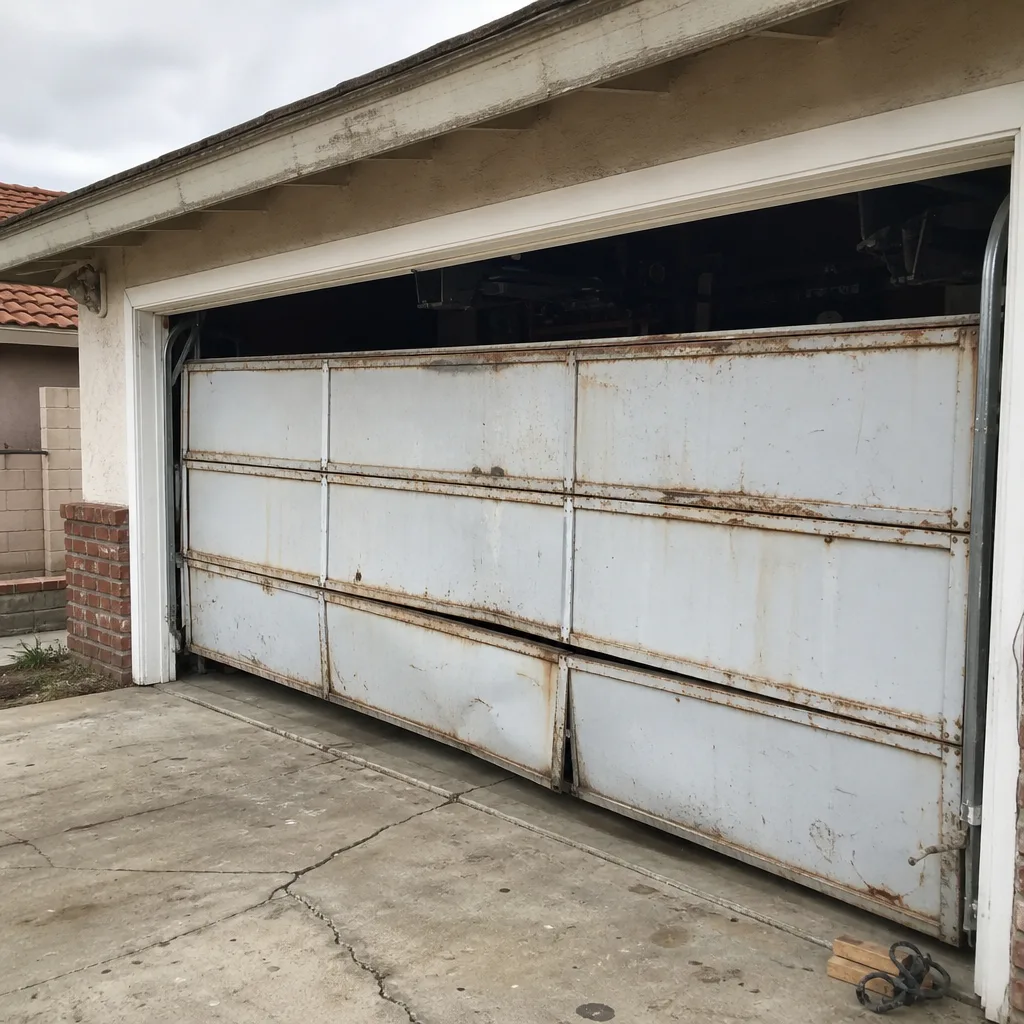 Before
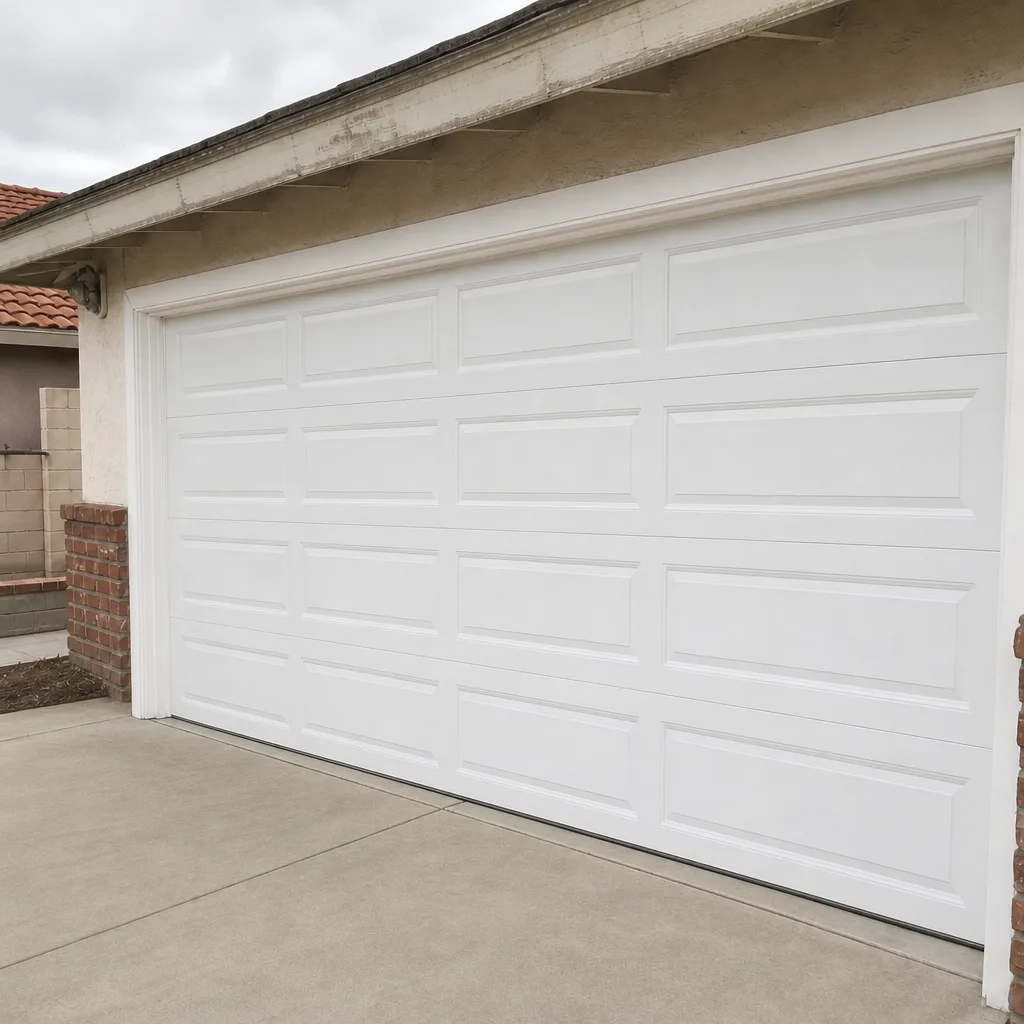 After
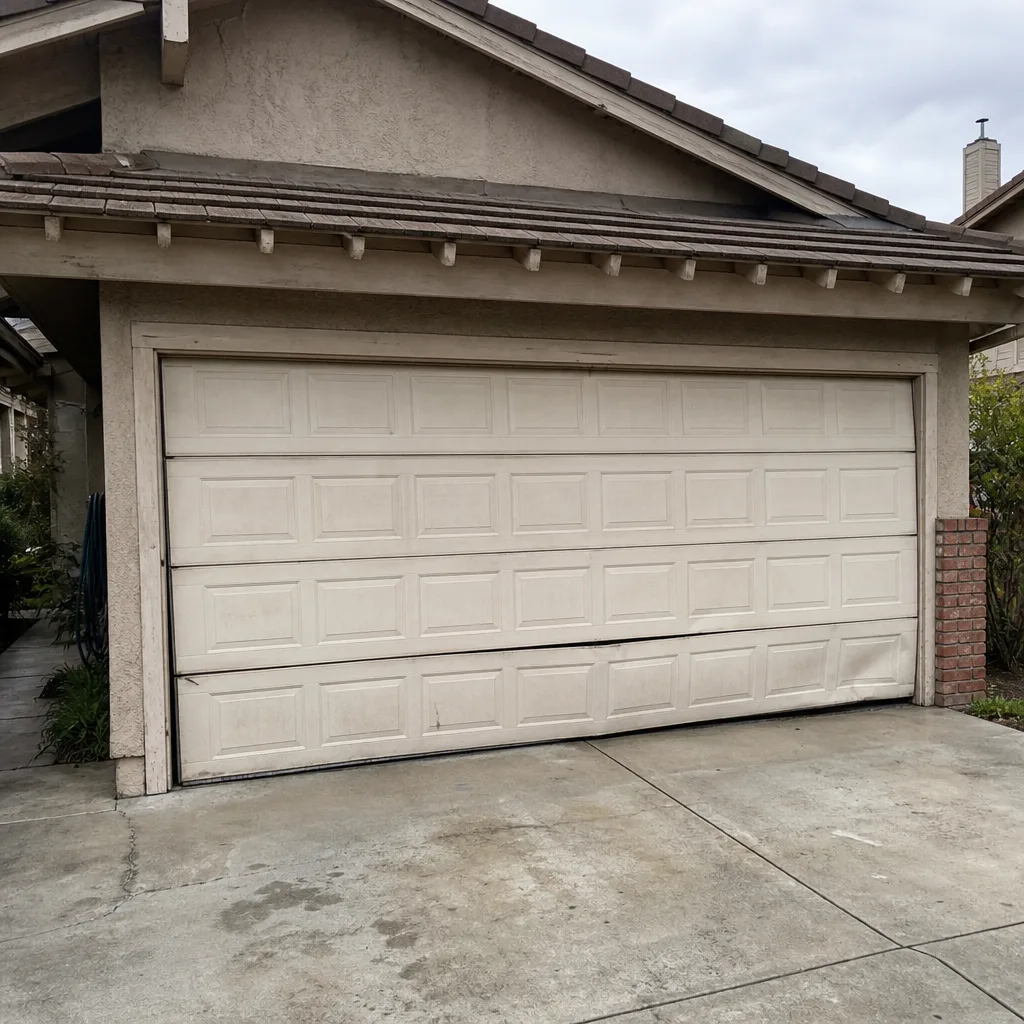 Before
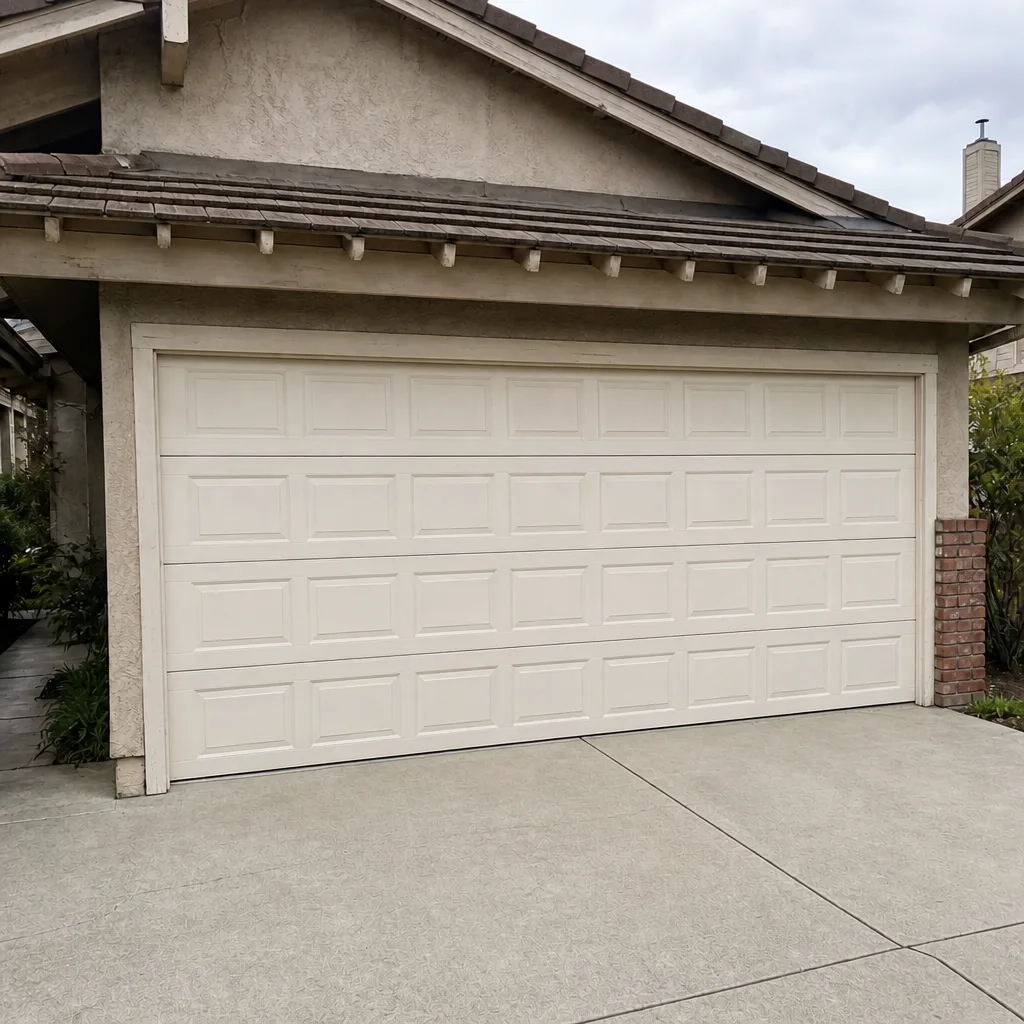 After
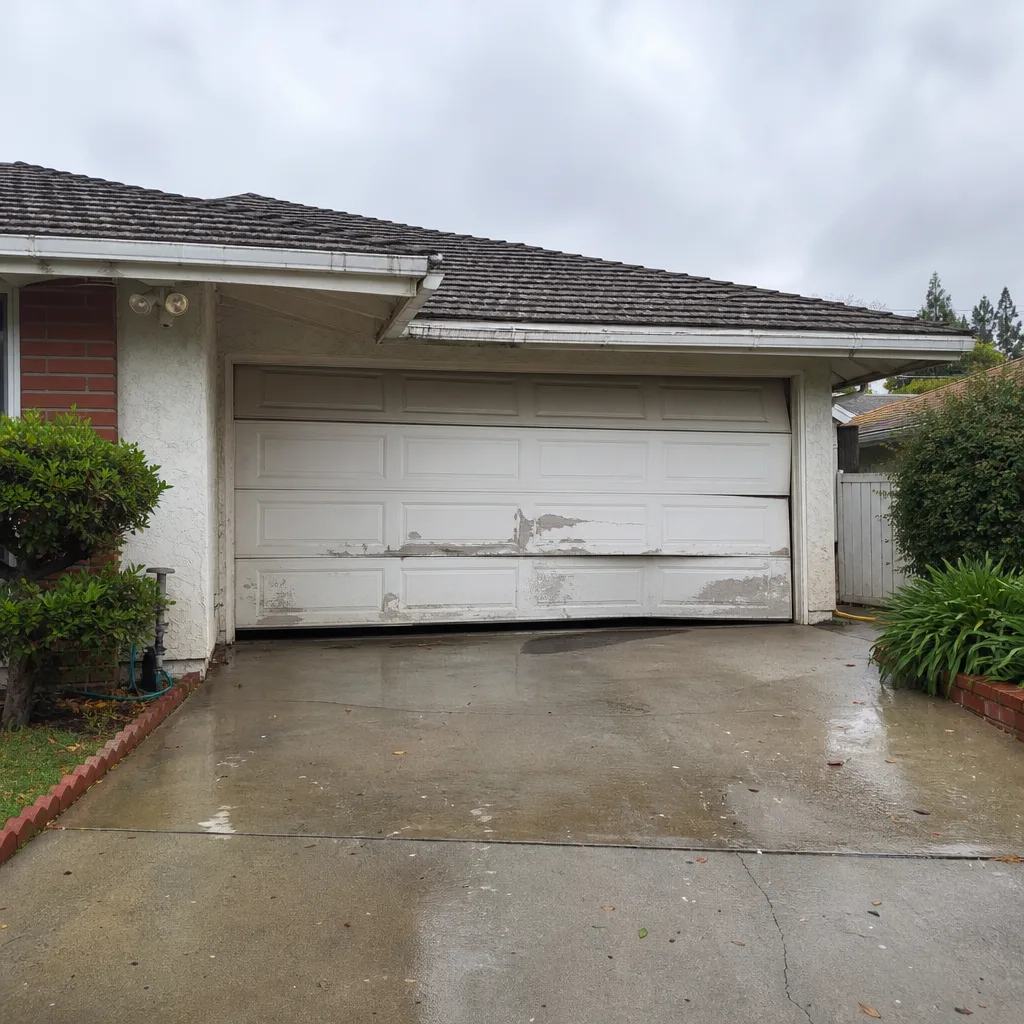 Before
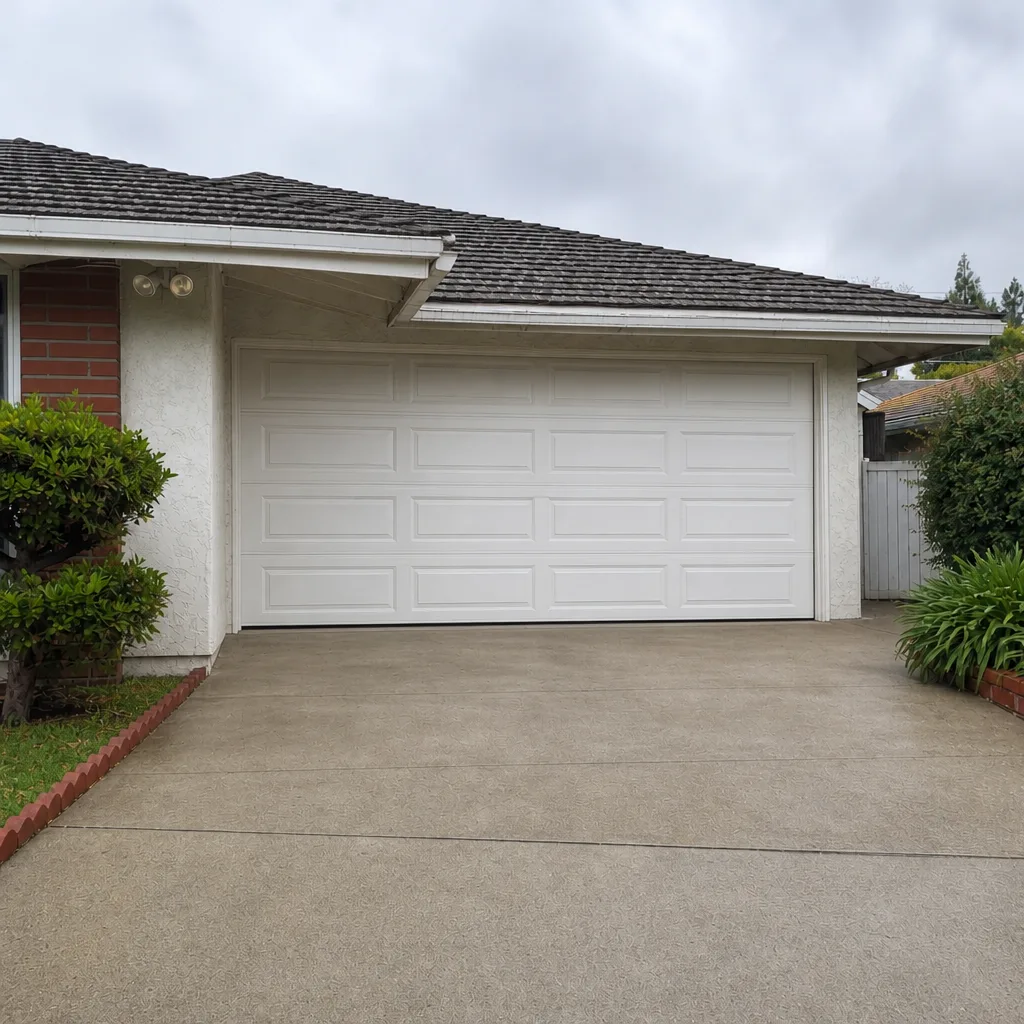 After