
Last updated November 4, 2026
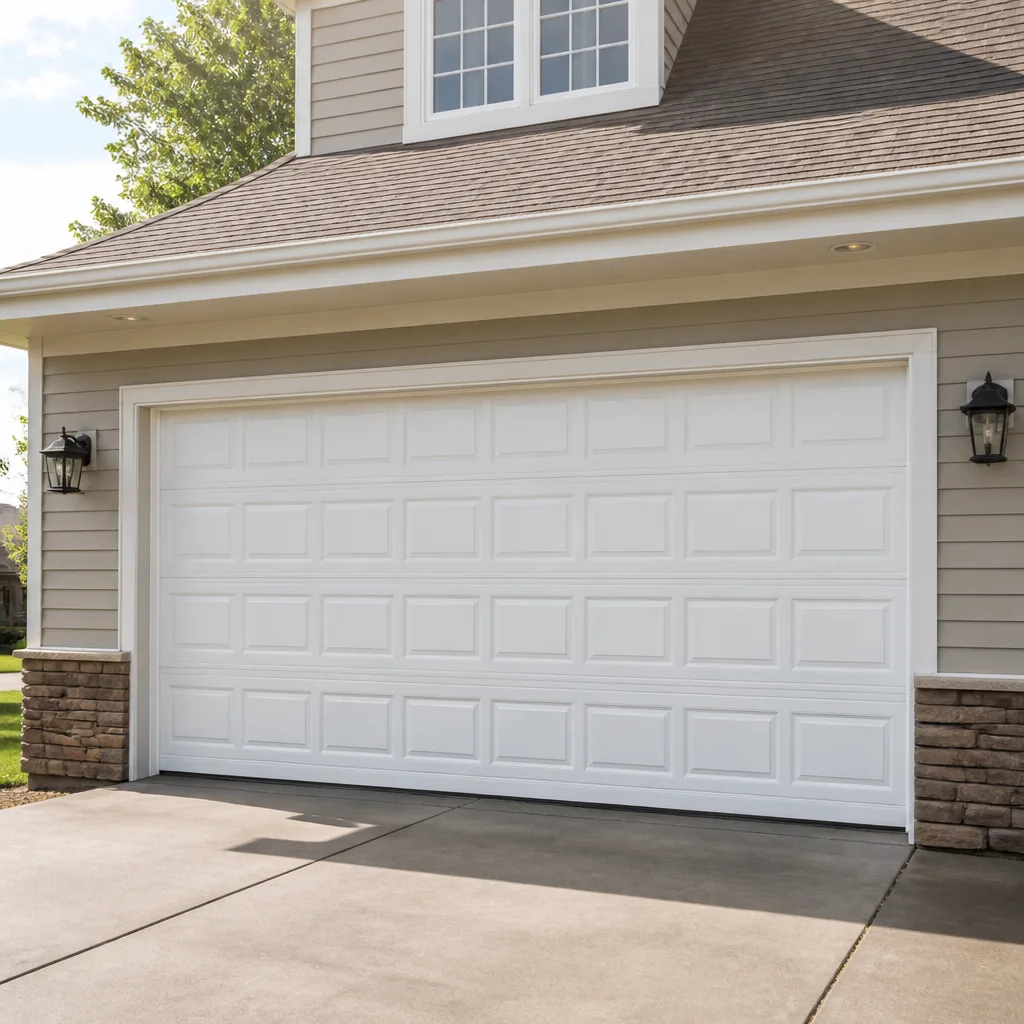 Raised-panel steel
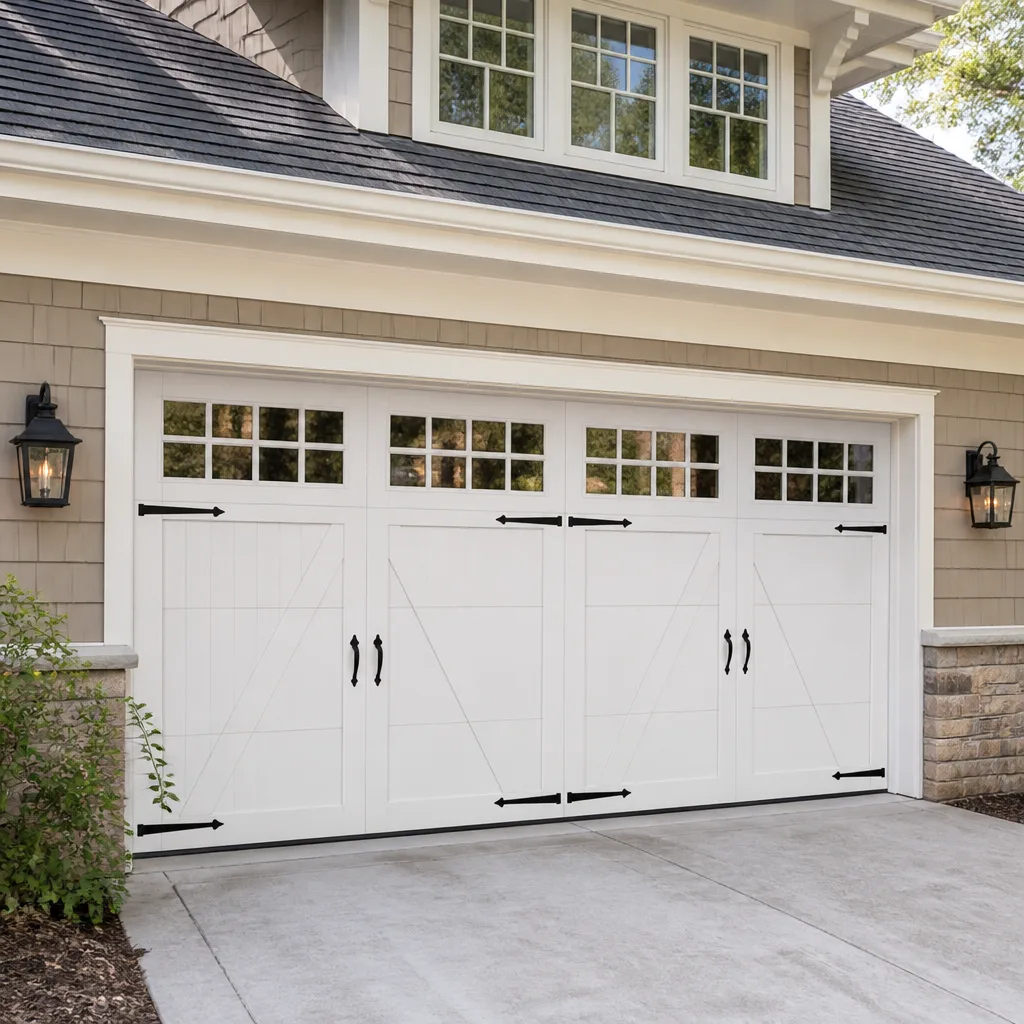 Carriage house
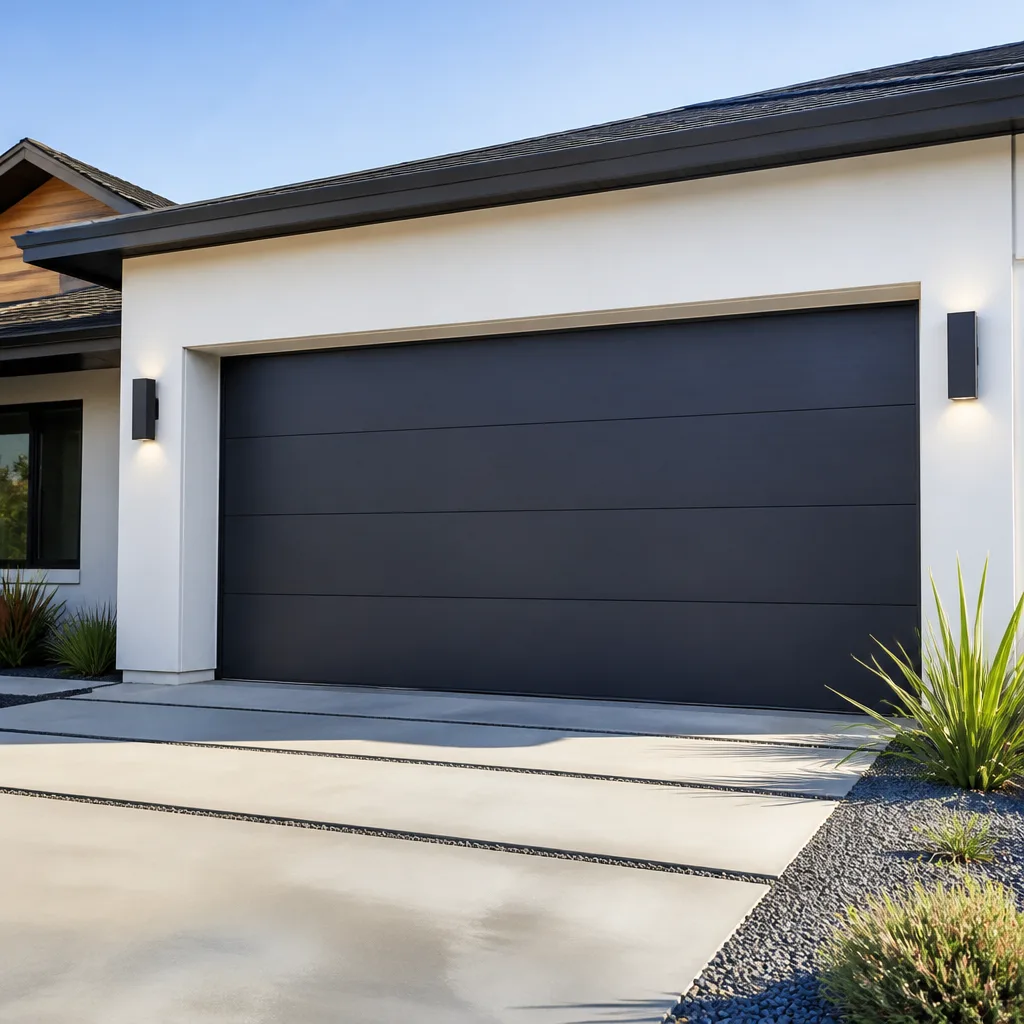 Modern flush
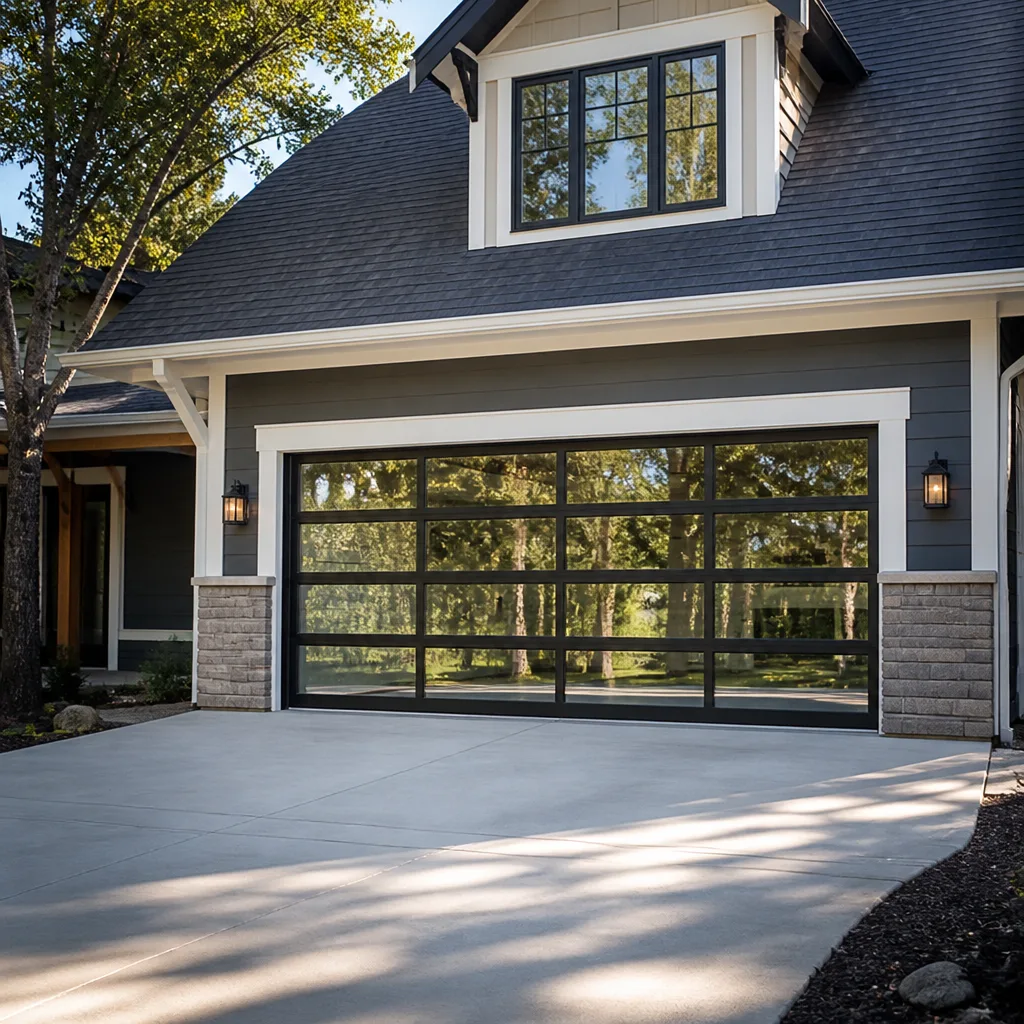 Full-view glass
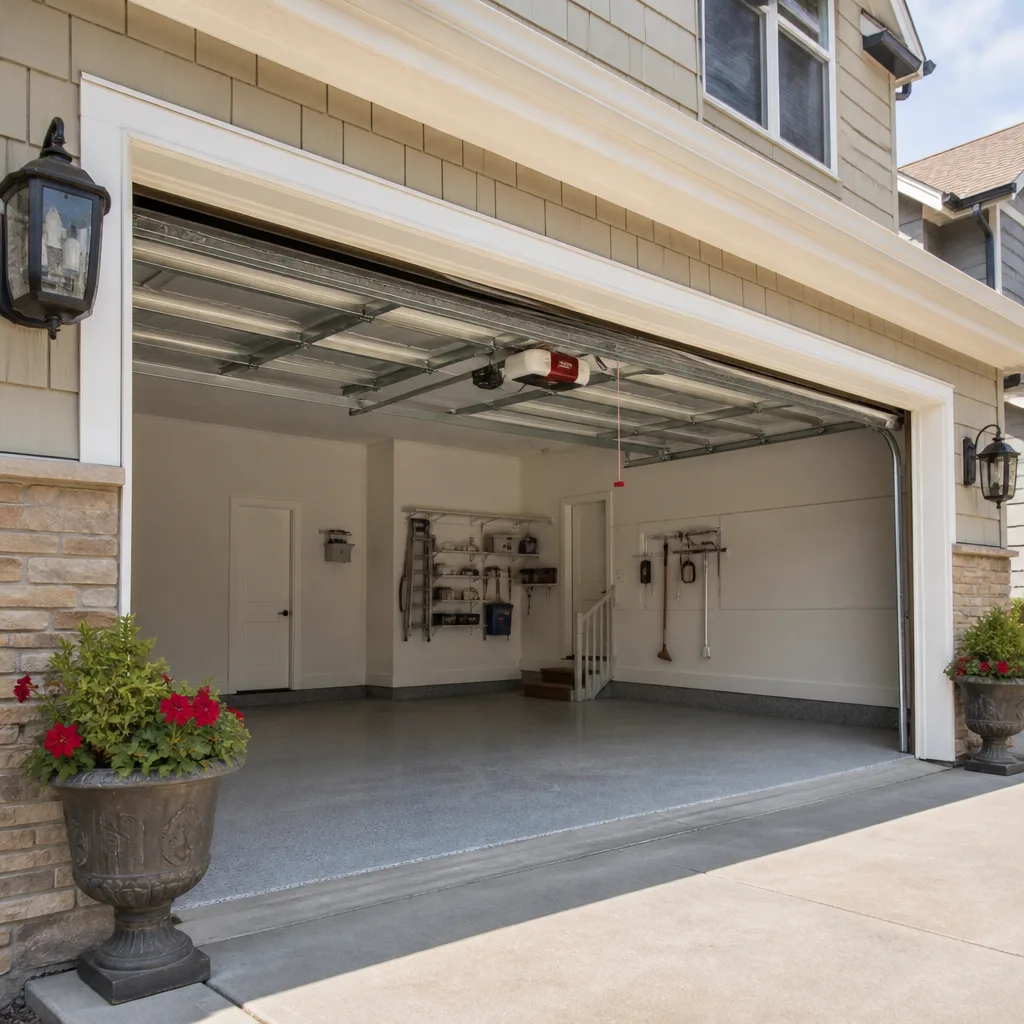 LiftMaster openers
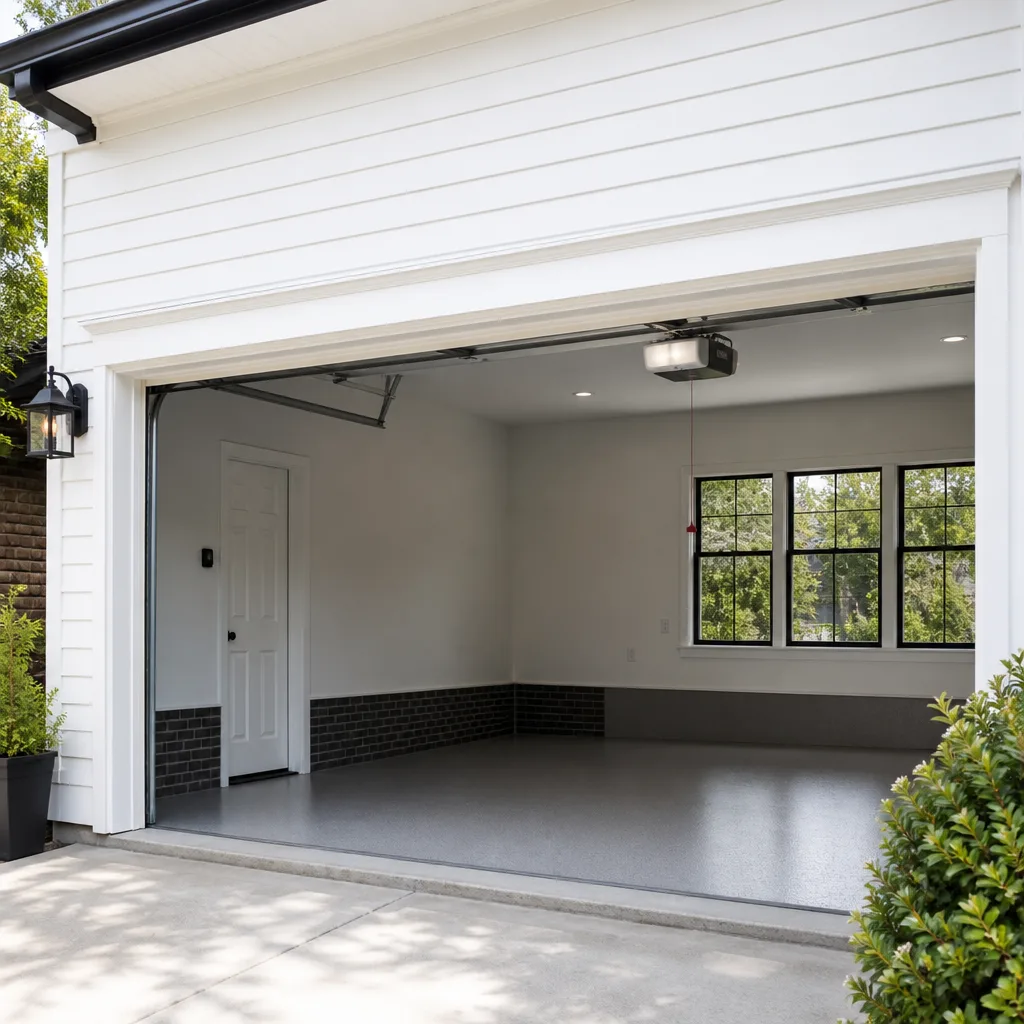 Chamberlain openers
Full 25-point door and opener safety check with every visit - springs, cables, rollers, tracks, and your LiftMaster or Chamberlain opener included
You get a price before we start. It does not change when the truck arrives.
Get your free estimateSeasonal Garage Door Care for Diamond Bar: Year-Round Homeowner’s Guide
October in Diamond Bar isn’t fall. Not the way the rest of the country understands it. Around here, October means the start of Diablo wind season, when dry, gusty air barrels through the canyons and across the 60 and 57 freeway corridors. Those low-humidity gusts are the single worst period of the year for wood door panels and weather seal adhesion, and most homeowners never see it coming. This guide walks you through the four distinct stress periods your garage door actually faces in Diamond Bar: fire season dry winds, summer peak heat, winter rain events, and spring temperature swings. Each one demands a different response, and we’ll tell you exactly what to do, what to check, and when to leave it alone.
Quick Answer
Seasonal garage door care in Diamond Bar, CA means adapting your maintenance to four local stress periods, not four calendar seasons. Check door balance and seal adhesion before Diablo wind season (October to November), watch opener motors and panel expansion during summer heat (June to September), replace bottom seals and inspect drainage before winter rains (December to February), and tighten hardware plus clean track debris during spring temperature swings (March to May). Most homeowners should inspect their door four times a year and call a garage door professional when balance, opener force, or seal failure appears.
Styles & brands we work with
- Raised-panel steel
- Carriage house
- Modern flush
- Full-view glass
- LiftMaster openers
- Chamberlain openers
Table of Contents
- October to November: Diablo Wind Prep for Garage Doors
- June to September: Heat Management for Openers and Panels
- December to February: Rain Event Prep and Moisture Control
- March to May: Post-Rain Inspection and Spring Re-Tensioning
- Year-Round: Wildfire Ash and Garage Door Sensors
- A Simple Monthly Check You Can Do in Five Minutes
- Common Mistakes to Avoid
- When to Call a Professional
- Frequently Asked Questions
October to November: Diablo Wind Prep for Garage Doors
Diablo winds hit Diamond Bar when high pressure builds over the Great Basin and pushes air toward the coast. The air warms as it descends, and humidity can drop into the single digits. For a garage door, that means two things: wood panels shrink and weather seals lose their grip. We’ve watched perfectly good seals peel away from door edges during the first strong wind event of the season, simply because the adhesive failed after a dry summer.
The fix is straightforward, but it has to happen before the gusts arrive. Here’s your pre-wind checklist:
- Check door balance by hand. Pull the red release cord and lift the door halfway. It should stay put. If it sinks or climbs, the springs need attention from a trained technician. High-tension springs are dangerous to adjust without the right tools and experience.
- Inspect weather seal adhesion. Run your finger along the bottom seal and side seals. Tug gently. Any spot that lifts away from the frame is an entry point for wind-blown dust, leaves, and ash.
- Test the automatic reverse function. Place a roll of paper towels under the closing door. The door should reverse within two seconds of contact. Wind events often knock alignment out of true, and a door that doesn’t reverse is a safety hazard, especially if children or pets are nearby.
- Clear the track path. Wind carries debris into the smallest gaps. Even a small twig lodged in a track can cause the door to bind or the opener to strain.
- Lubricate moving metal parts. Use a garage door specific lubricant on hinges, rollers, and springs. Dry air accelerates metal-on-metal wear, and a dry track makes the opener work harder than it should.
Diamond Bar sits right in the path of these wind events. Homes near the Chino Hills State Park boundary and along Grand Avenue tend to feel the gusts more than sheltered canyon areas, but no neighborhood is completely protected. The goal is simple: reduce wind resistance and eliminate anything that can rattle loose. If you’d rather have a second set of eyes, garage door repair calls spike every October for exactly these issues, and catching them early keeps a small seal problem from becoming a full panel replacement.
June to September: Heat Management for Openers and Panels
Diamond Bar summers routinely push past 90 degrees, and the garage itself can sit 15 to 20 degrees hotter than the outside air. That heat does two things to the door system. First, it stresses the opener motor. Second, it makes metal and composite panels expand. Expansion gaps are normal, but they change how the door sits in the opening, especially in the late afternoon when the sun has been hammering the west-facing panels for hours.
Here’s what to watch during the hottest stretch of the year:
- Opener motor overheating. If your opener runs for a few seconds and stops, or the thermal overload trips, the motor is too hot. This is common in garages without ventilation. A shaded, insulated garage keeps the opener cooler and extends its life. If the problem persists, garage door opener repair may be needed to check the motor and logic board.
- Panel expansion and binding. A door that scrapes or sticks only on hot afternoons is expanding. The fix is usually a slight track adjustment, not a new door. We see this most often on west-facing doors along streets like Diamond Bar Boulevard.
- UV damage to hardware. Plastic rollers, nylon bushings, and even opener housings degrade faster under direct sun. If you can see the door from the street, it’s getting UV exposure. Check for cracked roller wheels and brittleness on any exposed plastic part.
- Sensor misalignment from heat movement. Photo eye sensors mounted on the track can drift slightly as the track heats and cools. A sensor that blinks or won’t stay aligned is often a heat-expansion issue, not a broken part.
We work on openers from LiftMaster, Chamberlain, and Genie, among others, and all three handle heat differently. Belt-drive models tend to run cooler than chain-drive units because less friction means less heat. Regardless of brand, the best summer habit is simple: keep the garage door closed during the hottest part of the day when possible, and make sure the opener has at least a few inches of airflow around it.
December to February: Rain Event Prep and Moisture Control
Diamond Bar doesn’t get a true winter, but it does get concentrated rain events. When a Pacific system drops an inch on the foothills, water finds its way into garages through the single most overlooked part of the door: the bottom seal. A bottom seal that looks fine in June can be cracked, compressed, or pulling away by December. Once water gets under the door, it doesn’t just leave a puddle. It starts rust on the track, hardware, and the bottom panel frame.
Your pre-rain checklist:
- Replace a worn bottom seal. This is a $30 to $60 part and it’s the single highest-leverage thing you can do before rain season. A new seal should make full contact with the floor across the entire width of the door.
- Check track drainage. Garage door tracks should never hold standing water. If the track bolts are rusting or you see water staining, the track may need resealing or repositioning.
- Inspect the door exterior for peeling paint or exposed metal. Diamond Bar’s dry air means rust moves slowly most of the year, but December through February is when it gains ground. Touch up any bare metal before rain arrives.
- Test the door’s downward pressure. After rains, the floor may shift slightly. A door that doesn’t close flush in one corner after a storm needs a simple travel adjustment on the opener.
- Look for moisture staining on the interior panel faces. This indicates water is getting past the seal or weeping through panel joints.
One note specific to Diamond Bar: some homeowners assume the local climate is too dry for rust. That changes quickly during a wet winter. We’ve pulled doors downstream of the 57 where the bottom panel had rusted through from standing water that no one noticed for months. The seal gets replaced, the panel doesn’t. A few minutes of attention in December beats a panel replacement in March.
March to May: Post-Rain Inspection and Spring Re-Tensioning
Once the rain stops and temperatures start swinging between cool mornings and warm afternoons, your garage door enters a contraction and expansion cycle. The door works fine, then it doesn’t, then it does again. It’s not in your head. The metal hardware is moving with the temperature, and the spring tension that was set last fall may no longer be right.
Spring is the right time for a disciplined post-rain inspection:
- Run the door through a full open and close cycle while watching and listening. Hesitation, grinding, or a door that moves unevenly are red flags.
- Check the torsion spring gap. Look at the spring above the door. A gap in the coil that wasn’t there before means the spring is fatiguing. Never attempt to adjust this yourself. Torsion springs hold enormous tension and can cause serious injury if mishandled.
- Clean the tracks. Rain-season debris washes fine grit into the track channels. A soft cloth or vacuum cleans this out. Avoid greasing tracks directly; lubricant attracts dust and creates a paste that binds the rollers.
- Check all bolts and brackets. Temperature swings loosen hardware over time. A socket wrench and ten minutes of tightening goes a long way.
- Look at the balance again. After the cold-night contraction cycles of a Diamond Bar winter, springs settle. What was balanced in October may need a fractional re-tensioning by a pro come April.
This is also a good moment to think about the opener itself. If your opener is original to a home built in the 1990s or early 2000s and it’s making new sounds, spring is the time to have it looked at. A chain-drive unit that’s been through several heat cycles and a wet winter can develop stripped gears that fail without warning. Harbor Garage Door Service is brand-agnostic, which means we’ll diagnose the opener you have before anyone suggests a replacement. We service Chamberlain, Genie, LiftMaster, and others on the same call.
Year-Round: Wildfire Ash and Garage Door Sensors
Diamond Bar sits in wildfire country. Even when fires burn miles away, fine ash travels on the wind and settles everywhere, including on and inside garage door systems. Ash is not just dust. It’s alkaline, slightly abrasive, and it gets into places you wouldn’t expect. The two parts most affected are the opener sensors and the track rollers.
Photo eye sensors: Ash buildup on the sensor lens mimics the same signal as an obstruction. The door behaves erratically: it stops, reverses, or refuses to close. The fix is usually a dry wipe of the lens, but do this regularly during fire season. Ash accumulates fast when the air quality index in Diamond Bar drops.
Track rollers and hinges: Ash mixes with whatever lubricant is already on the rollers and forms a gritty compound that accelerates wear. The rollers don’t glide; they grind. A good habit after any heavy ash-fall day is to wipe down the tracks and reapply a light lubricant to rollers and hinges only.
Opener ventilation: If ash gets inside the opener housing, it can coat the logic board and cause intermittent failures. This is less common, but worth checking if your opener acts up during or after fire season. A technician can open the housing safely and clean the board. If you’re seeing repeated opener faults, garage door opener repair is the right call before replacing the unit.
A Simple Monthly Check You Can Do in Five Minutes
Seasonal deep-dives are only part of the picture. A quick monthly check catches most problems before they become service calls. Here’s the five-minute routine we recommend for every Diamond Bar homeowner:
- Watch one full open and close cycle. Look for stutters, hesitation, uneven movement. Listen for new grinding, squealing, or thumping.
- Pull the manual release. Lift and lower the door by hand. It should move smoothly and stay where you leave it. If it doesn’t, the springs or rollers need attention.
- Place the paper towel roll test. Close the door on a roll of paper towels. It should reverse. If it doesn’t, the safety reverse needs service immediately.
- Check the bottom seal. Look for cracks, gaps, or daylight visible under a closed door. Any gap means pests, water, and dust are getting in.
- Glance at the sensors. Both sensor lights should be steady. One blinking or both dark means misalignment or wiring trouble.
That’s it. Five minutes. Do it on the first weekend of every month and you’ll catch the majority of issues before they turn into breakdowns. We know that a door failure usually happens at the worst possible moment: the morning you’re running late, the evening after a storm, the Sunday afternoon when guests are coming over. A monthly habit changes the odds in your favor.
Common Mistakes to Avoid
- Ignoring a slow door. A door that takes noticeably longer to open or close is telling you something. Usually it’s a tired spring or a strained opener. Waiting until it fails completely doesn’t save money; it typically turns a repair into a replacement.
- Lubricating the wrong parts. Homeowners often grease the track itself. Tracks should stay clean and dry. Grease on the track attracts Diamond Bar dust and creates a paste that makes the door bind harder.
- Skipping the balance test. Balance is the canary in the coal mine. A door that doesn’t stay in place when you lift it manually is signaling spring fatigue, even if it still opens and closes under power.
- Replacing seals with the wrong material. The bottom seal on a Diamond Bar door needs to handle dry heat, occasional heavy rain, and wind-blown grit. A generic seal from a big-box store can fail within a single season. Have a professional check what’s currently on the door and match it correctly.
- Adjusting the spring tension yourself. This is the most dangerous mistake we see. Torsion springs under tension can break bones or worse. Any spring work belongs with a trained technician who has the right winding bars and experience.
- Assuming a noisy door is normal. “It’s always done that” covers a lot of deferred maintenance. A properly balanced, lubricated, and adjusted garage door should be relatively quiet. Persistent grinding, popping, or banging always has a source.
- Forgetting the opener’s manual release tab. Once a year, pull it, lift the door by hand, and re-engage. This ensures the release works when you actually need it, like during a power outage on a hot Diamond Bar afternoon.
When to Call a Professional
Some jobs are right for a Saturday morning with a socket wrench. Others are not. If your door is out of balance and won’t stay put, that’s a spring issue and it needs a trained hand. If the opener is running but the door doesn’t move, you likely have a stripped gear or a broken coupler. If the door is off the track entirely, don’t force it; every cycle you run is causing more damage. If you notice frayed cables, a visible gap in a spring coil, or a door that slams down when released, stop using the door and call. These failures don’t self-correct, and continuing to operate a failing door risks both the door and anyone nearby.
Harbor Garage Door Service offers free estimates in Diamond Bar. Call (833) 620-0390 and describe what you’re seeing. We’ll tell you honestly whether it’s a DIY fix or a technician visit, and the price is set by the written estimate before any work starts. We answer 24/7. Fast dispatch from 7am to 7pm, Sunday through Friday.
Frequently Asked Questions
A monthly five-minute visual check plus a more thorough seasonal inspection at each of the four Diamond Bar stress periods (wind season, heat, rain, and spring swings) keeps most doors healthy. If you’d rather have a professional do the seasonal inspection, garage door repair visits for preventive checks are easy to schedule and typically take under an hour. Call (833) 620-0390 and we’ll set a time.
Yes, and the damage is usually incremental rather than dramatic. Sustained gusts push against the door face, causing flex. Over repeated wind events, that flex loosens seals, strains hinges, and can pull weather stripping away from the frame. A door that’s already out of balance feels the wind more because it’s not seated firmly. Pre-wind preparation is the best defense.
Most preventive inspections and adjustments fall between $100 and $250, depending on what’s found. Replacing a bottom seal typically adds $30 to $60 in parts. Spring replacement, if needed, runs higher and depends on the spring type and door weight, but that’s a separate conversation. The estimate is free and the final price is set in writing before we begin. Call (833) 620-0390 for exact numbers based on your door.
Yes for cleaning, lubricating, seal checks, and balance tests. No for anything involving spring tension, cable re-spooling, or track realignment. The rule is simple: if it requires winding or unwinding a torsion spring, a technician does it. Everything else, a careful homeowner can handle with basic tools. If a seal replacement or sensor alignment isn’t cooperating, garage door opener repair technicians can handle it on the same call.
Spring and fall are the most comfortable for installations in Diamond Bar, but there’s no bad season. The important planning factor is lead time: if you’re considering a new door before winter rains or before a hot summer, start measuring and selecting in early spring or early fall. We work with multiple brands, so you’re choosing the door that fits your home and budget, not the one a single dealer has in stock.
Typical torsion springs are rated for 10,000 cycles, which in most Diamond Bar households is roughly 7 to 10 years. Heat and humidity swings can push that toward the lower end. If your door is used multiple times daily, expect spring replacement more often. When it goes, call a technician rather than trying to install a spring yourself; the tension involved is genuinely dangerous.
The Bottom Line
Diamond Bar doesn’t ask for four-season garage door care in the traditional sense. What it asks for is four-phase care: wind prep in the fall, heat management in the summer, rain readiness in the winter, and tightening in the spring. The common thread is attention before failure. A door that’s balanced, sealed, and lubricated handles Diablo winds fine. A door that’s ignored until it breaks doesn’t. Do the five-minute monthly check, stick to the seasonal lists, and call a professional when spring tension, cable condition, or opener internals are involved. Harbor Garage Door Service can help with any of it.
For garage door service anywhere in Diamond Bar, call (833) 620-0390 for a free estimate. We answer 24/7. Fast dispatch from 7am to 7pm, Sunday through Friday.
Written by the team at Harbor Garage Door Service, serving Diamond Bar since 2014.
See the difference
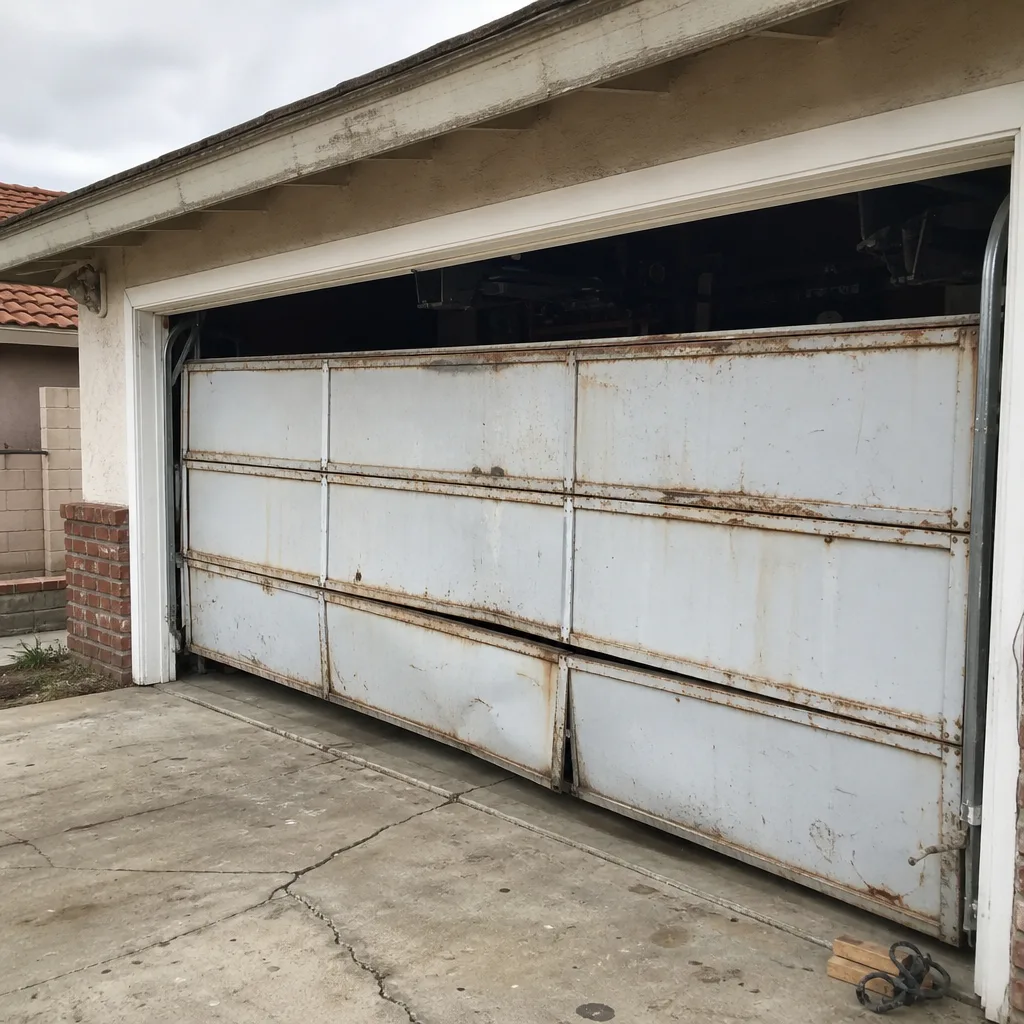 Before
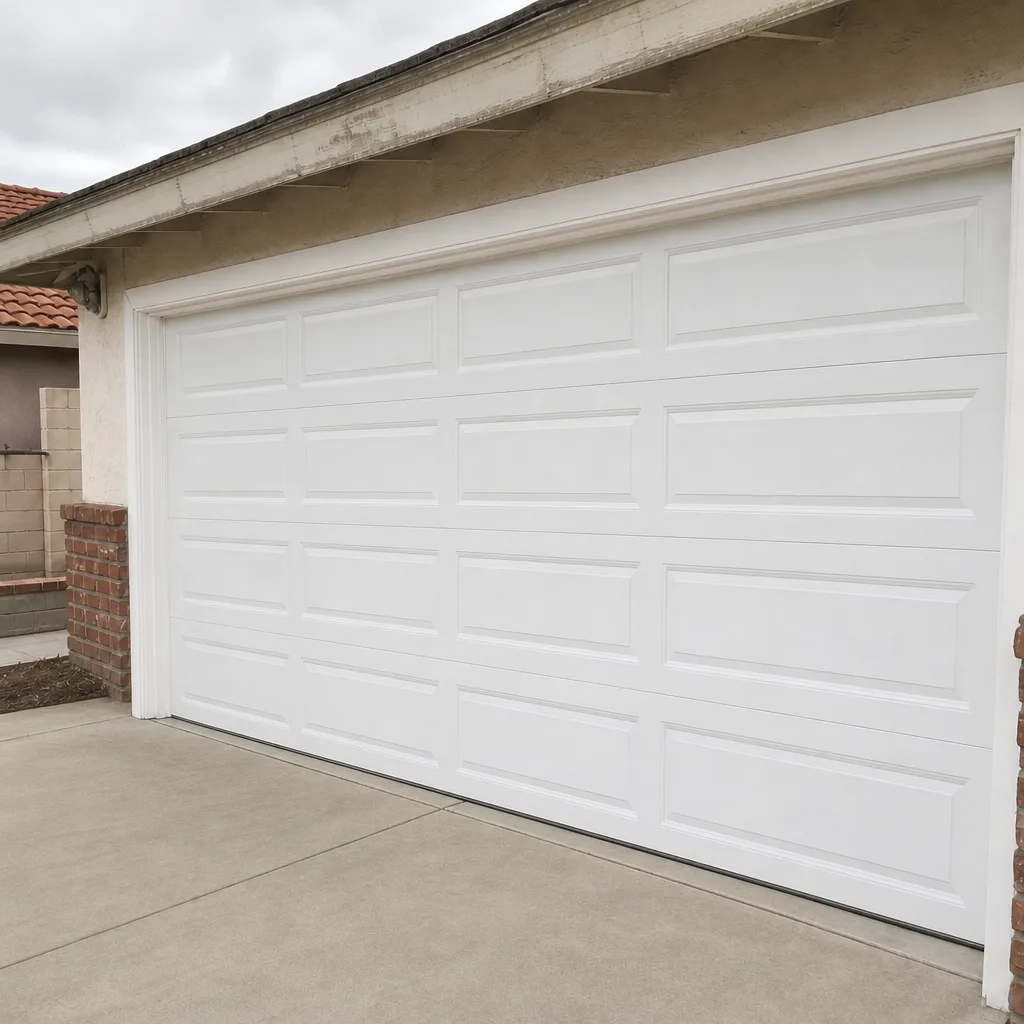 After
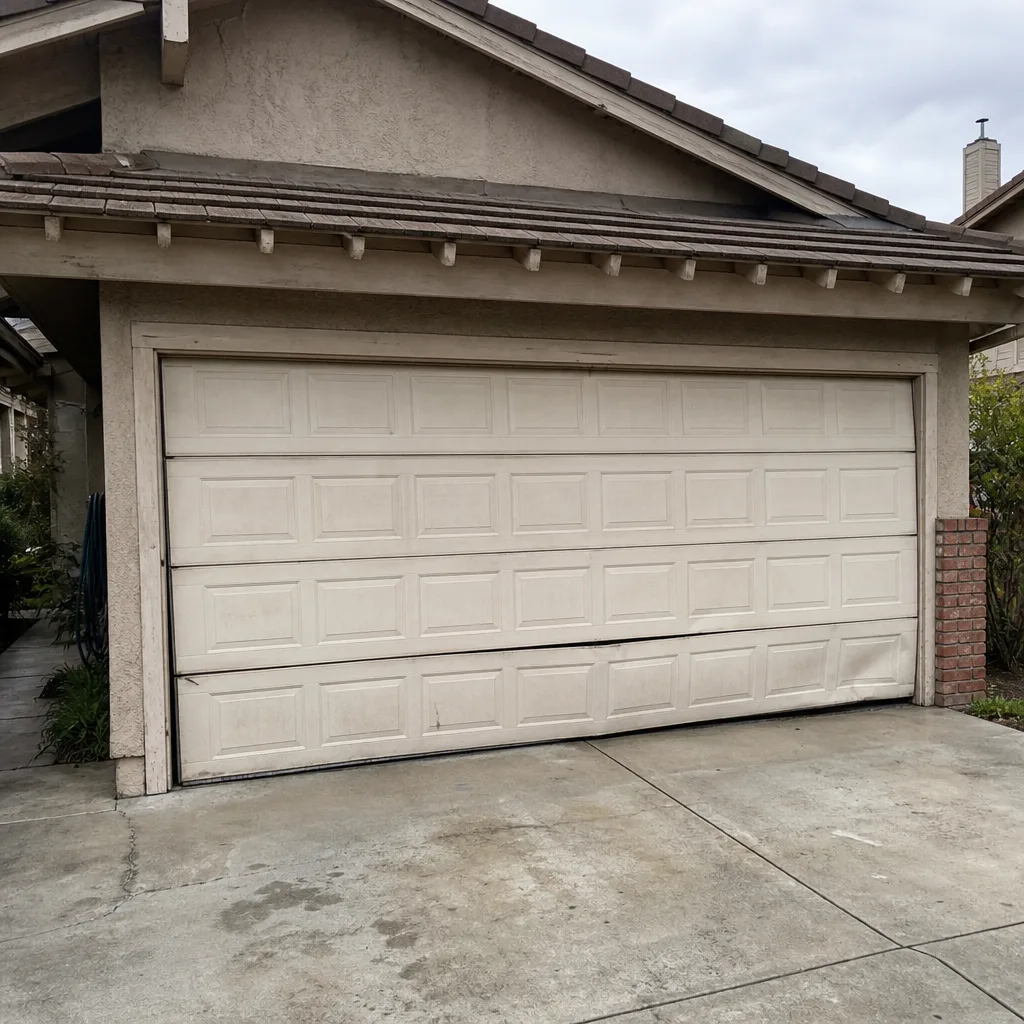 Before
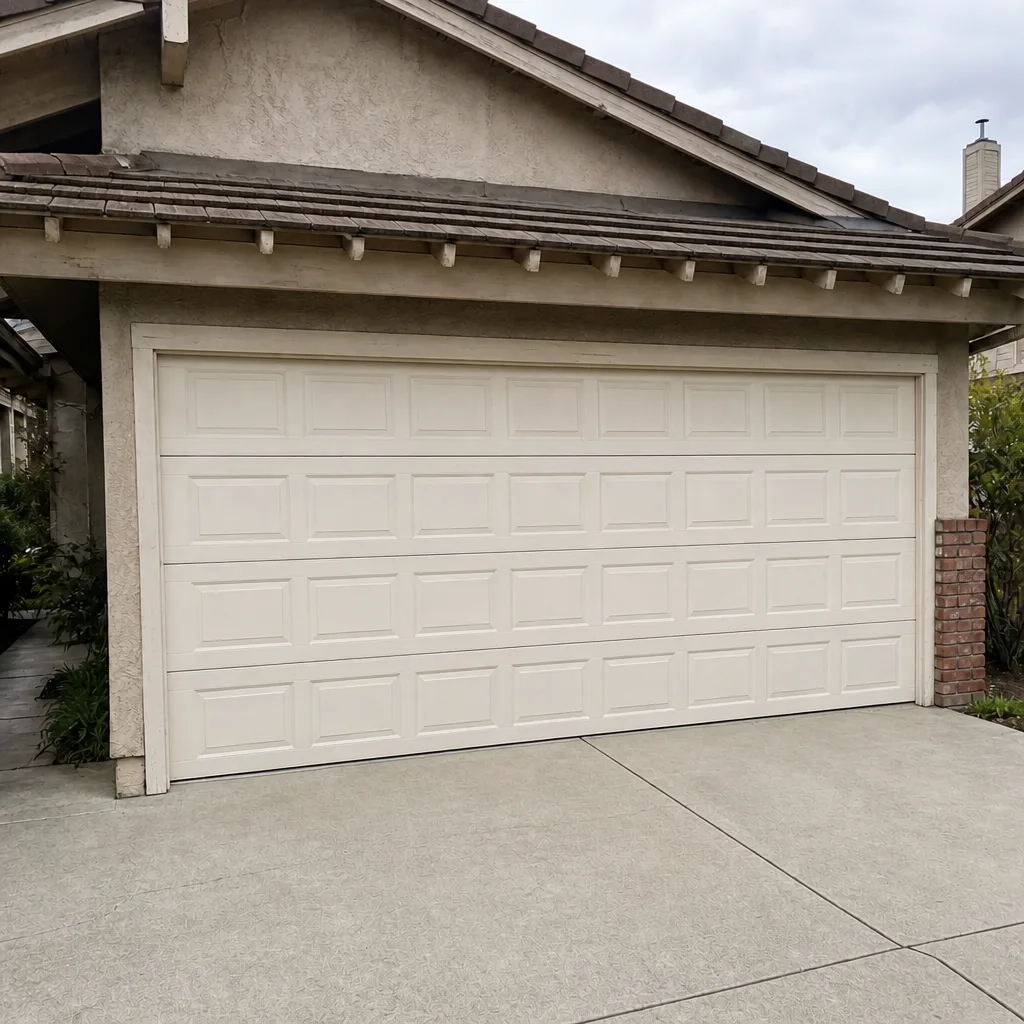 After
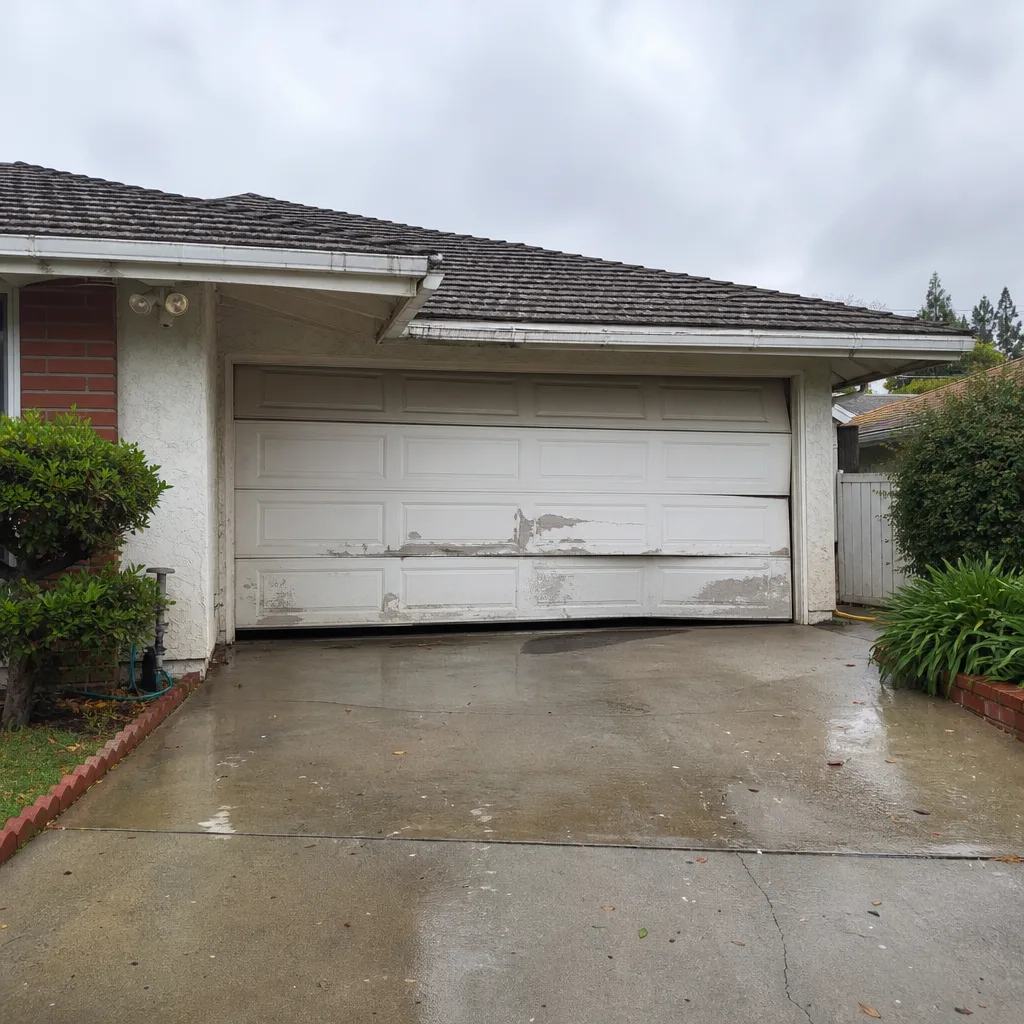 Before
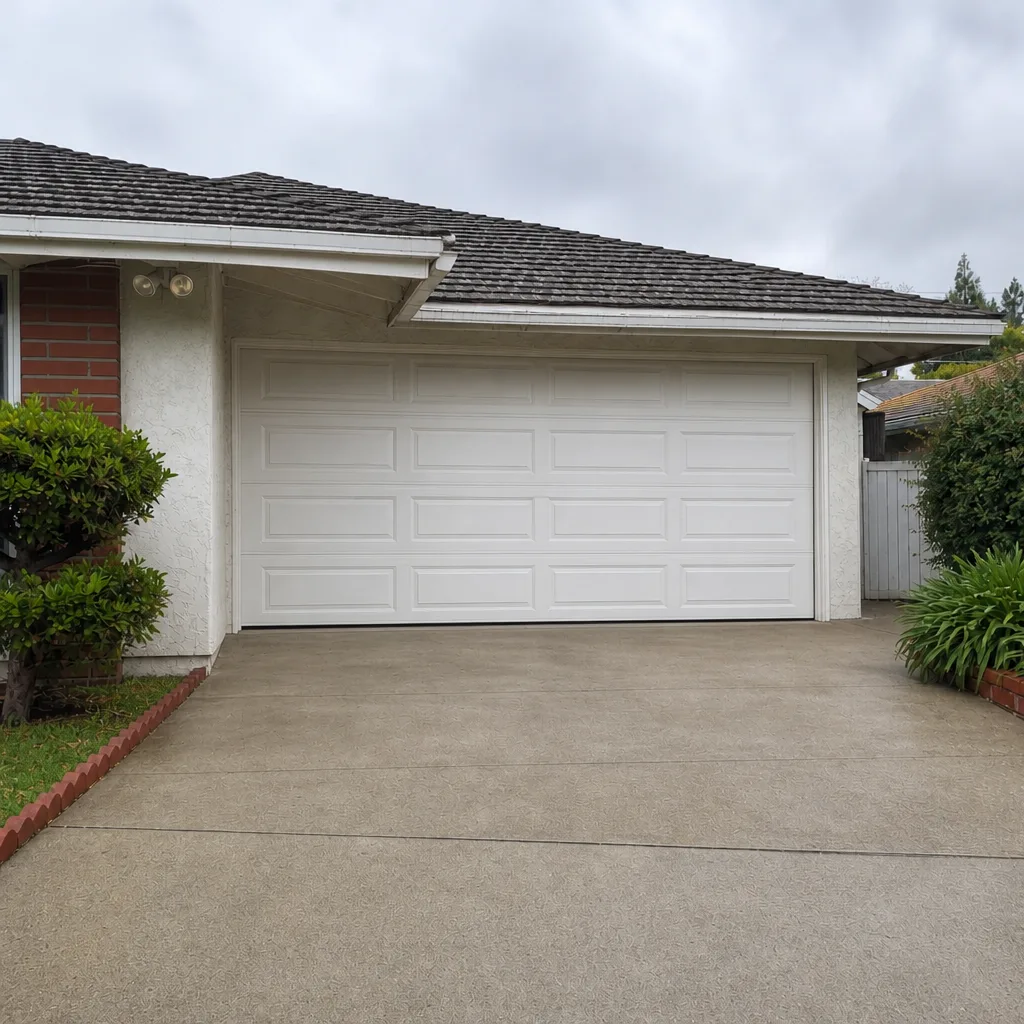 After