
Last updated November 4, 2026
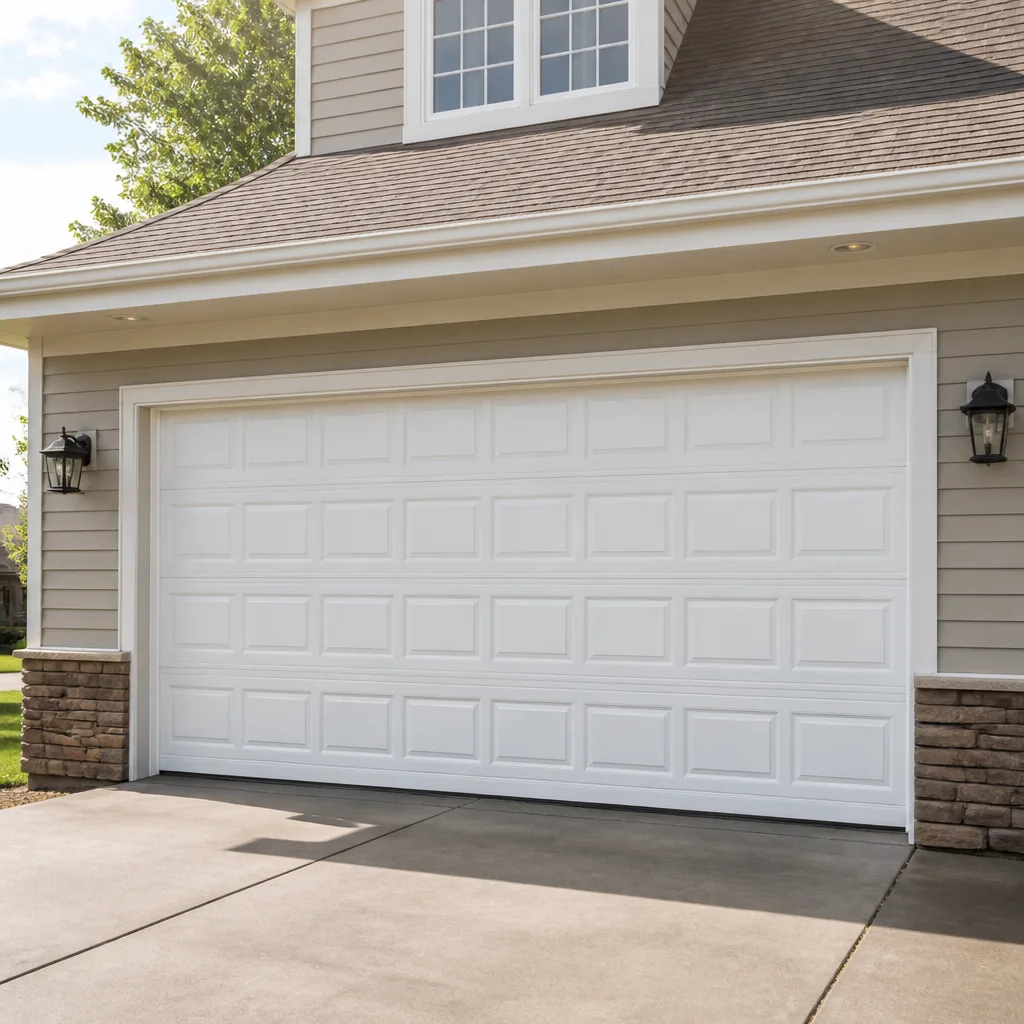 Raised-panel steel
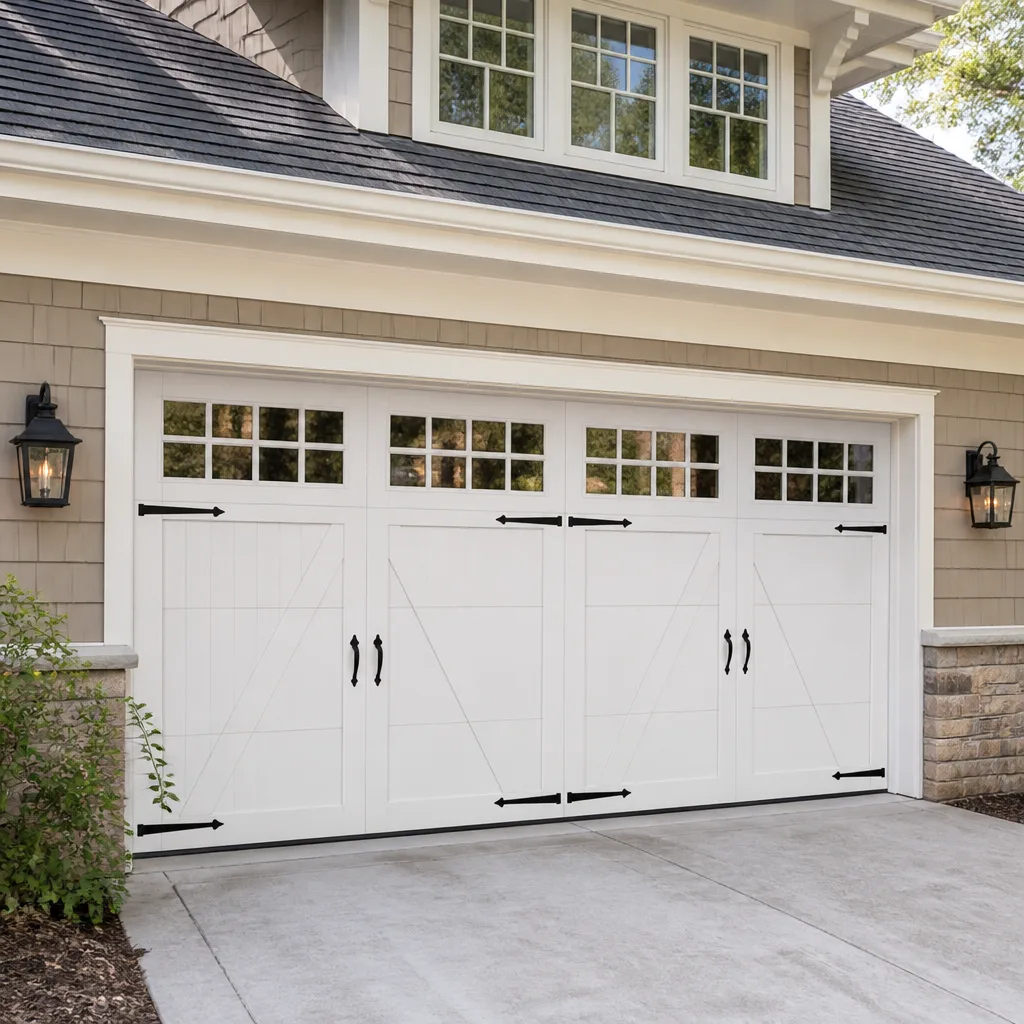 Carriage house
 Modern flush
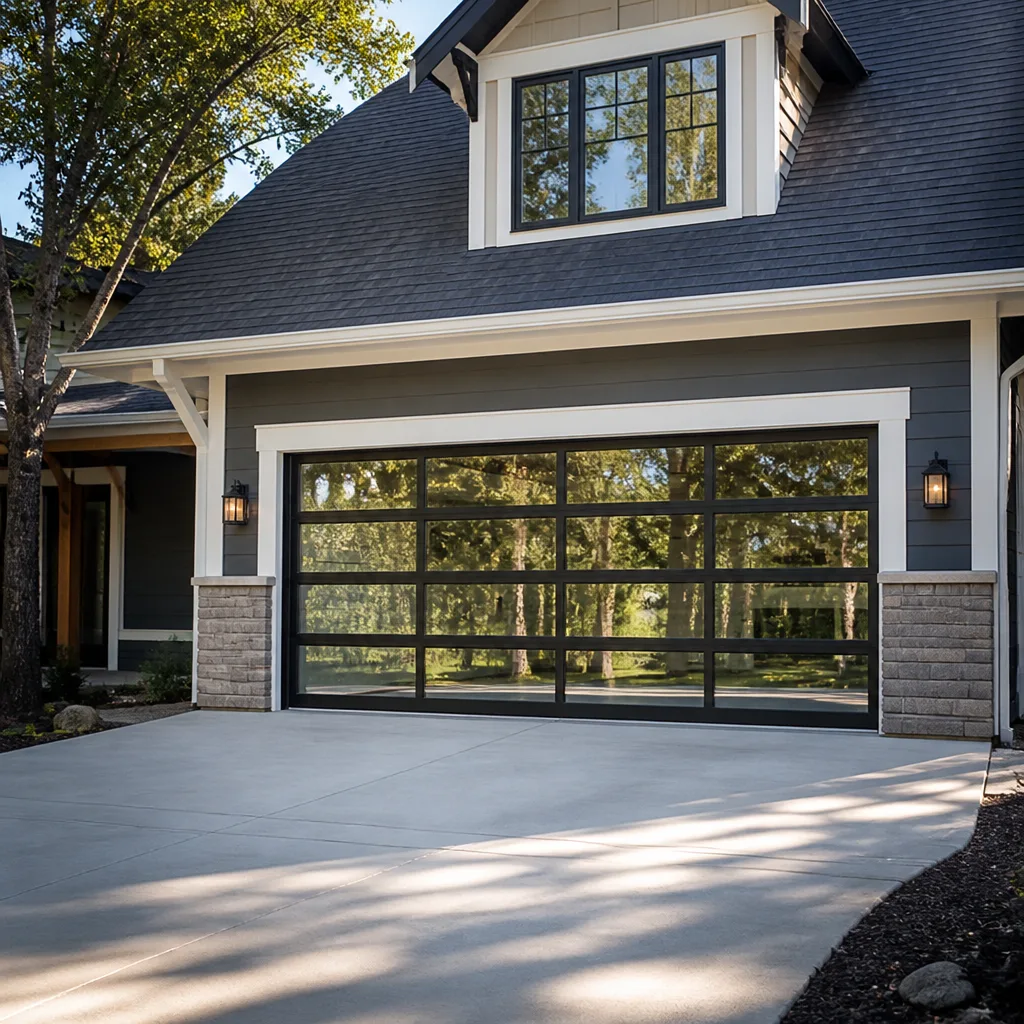 Full-view glass
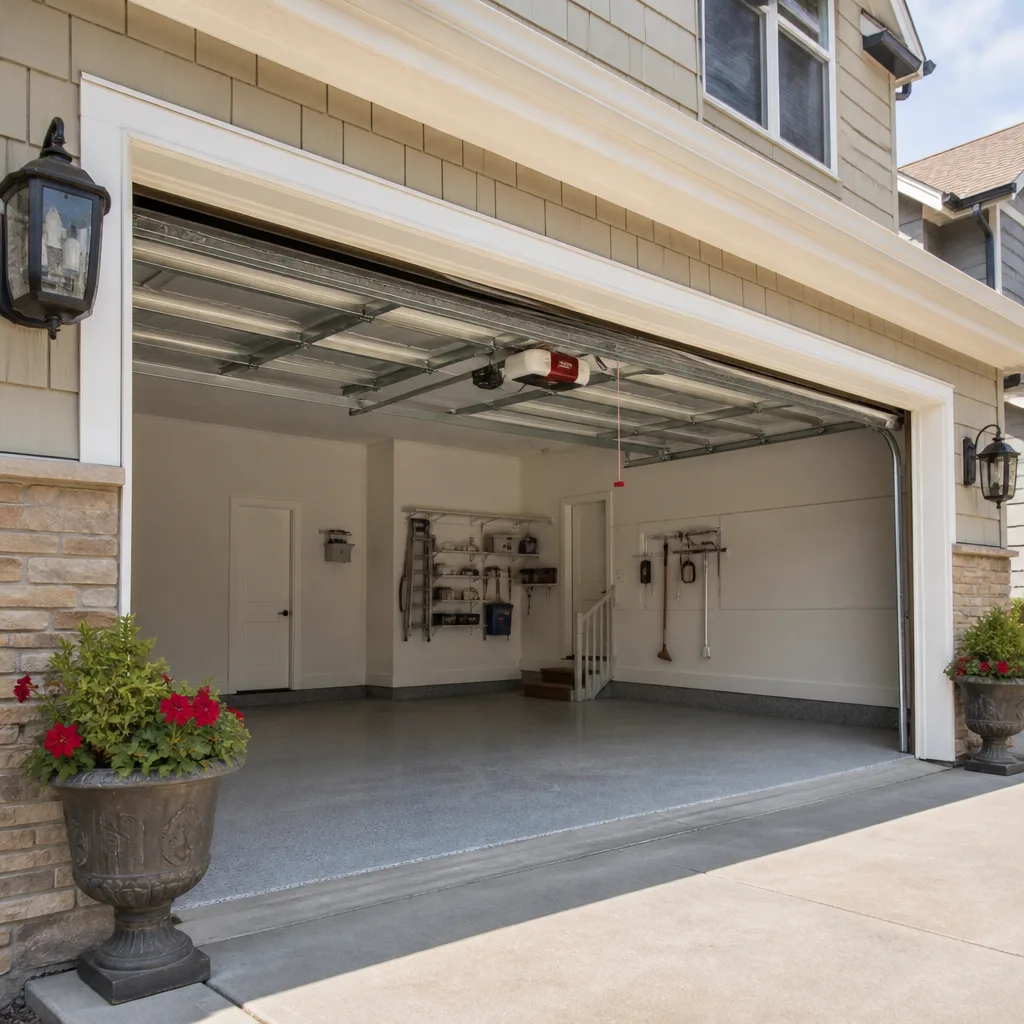 LiftMaster openers
 Chamberlain openers
Full 25-point door and opener safety check with every visit - springs, cables, rollers, tracks, and your LiftMaster or Chamberlain opener included
You get a price before we start. It does not change when the truck arrives.
Get your free estimateDIY vs Professional Garage Door: The Diamond Bar Homeowner’s Decision Guide
Most Diamond Bar homeowners assume the line between DIY and professional garage door work falls along skill level. It doesn’t. The real divider is risk: some tasks on your garage door system carry genuine physical danger or legal liability, while others are straightforward maintenance any careful person can handle with basic tools. A homeowner who should never go near a torsion spring can still replace weather stripping, reprogram a Chamberlain keypad, or swap out worn rollers without calling anyone. This guide separates the two categories clearly, gives you the mechanical reasons behind each recommendation, and helps you decide when saving money on labor actually costs more in the long run.
Quick Answer
DIY garage door work in Diamond Bar is safe and worthwhile for low-tension tasks like weather seal replacement, keypad reprogramming, sensor realignment, and roller replacement on standard doors. Professional help is non-negotiable for torsion springs, lift cables, and any repair involving components under high mechanical tension, because these parts can cause serious injury when they release unexpectedly. The smart approach is knowing which category your specific problem falls into before you touch anything.
Styles & brands we work with
- Raised-panel steel
- Carriage house
- Modern flush
- Full-view glass
- LiftMaster openers
- Chamberlain openers
Table of Contents
- What’s Safe to DIY on a Garage Door
- The Never-DIY List: Components Under Dangerous Tension
- Tool Requirements and Realistic Time Estimates for Diamond Bar Homeowners
- California Liability: What Unpermitted Work Means for Your Insurance
- Cost-Benefit Math: When DIY Savings Are Real and When They’re Not
- How to Be a Smarter Professional Hire
- Common Mistakes to Avoid
- When to Call a Professional
What’s Safe to DIY on a Garage Door
Several routine garage door tasks are genuinely safe for Diamond Bar homeowners and require no specialized training. These jobs involve components that are either low-tension, mechanical only, or electronic in nature. The key distinction is this: if the part you’re touching doesn’t store mechanical energy, you’re probably safe to work on it with basic precautions.
The most common safe DIY jobs include:
- Weather seal replacement: The rubber strip along the bottom of your door degrades in the Diamond Bar heat over a few summers. Replacing it takes about 30 minutes and requires a utility knife, a flathead screwdriver, and maybe a rubber mallet. The door stays in the raised position, so there’s no tension on the seal itself.
- Keypad reprogramming: Both LiftMaster and Genie keypads follow simple reset sequences documented in the owner’s manual. You’ll need a ladder and about 15 minutes. No tools beyond a small Phillips screwdriver for the battery compartment.
- Sensor realignment: Photo-eye sensors near the floor can get knocked out of alignment by a broom or a bike tire. The fix is loosening the mounting wing nut, pointing both eyes at each other until the indicator lights turn steady, and tightening. Ten minutes, one adjustable wrench.
- Roller replacement on standard doors: The rollers on the sides of your door, except the bottom two, can be swapped without touching the cable system. This is a 45-minute job with a pair of pliers and new rollers. The bottom rollers stay attached to the lift cables, so leave those alone.
- Lubrication: A spray lubricant on hinges, rollers, and bearings every six months keeps a Diamond Bar door running quietly. Twenty minutes, no disassembly.
- Track cleaning: Wiping down the vertical and horizontal tracks with a clean rag removes the dust that accumulates and causes grinding. Fifteen minutes, no tools.
These tasks share one trait: none of them require you to remove or adjust a part that is under load. That’s your test before starting any job. If releasing the part could cause something to snap, spin, or drop, it belongs in the professional category. Garage door repair for low-tension mechanical issues often falls on this safe list, but the moment tension enters the picture, the risk profile changes completely.
The Never-DIY List: Components Under Dangerous Tension
Some components on your garage door system store enough energy to cause catastrophic injury if mishandled. The reason isn’t that manufacturers want you to hire a professional. It’s that the physics of these parts don’t care how careful you think you’re being. When a torsion spring releases, it releases all at once.
Here’s the definitive never-DIY list, with the mechanical reason for each:
- Torsion springs: These are the large coiled springs mounted horizontally above your door. They store the entire lifting force required to raise a door that weighs between 130 and 400 pounds. That energy is loaded into the spring whenever the door is down. If the spring snaps while you’re working on it, or if the winding bar slips from your grip during adjustment, the spring spins with enough force to break bones or worse. In our experience, every torsion spring failure we’ve been called to after a DIY attempt involved a homeowner who understood the risk and tried anyway.
- Extension springs: The older design that runs vertically along the horizontal tracks. When one breaks under tension, the hooked end becomes a projectile. The safety cables meant to contain a broken spring are themselves under load and need specific tools and technique to replace correctly.
- Lift cables: These run from the bottom brackets, up the sides of the door, and wrap around the drums or pulleys. They carry the same tension as the springs. If a cable slips from your grip or a frayed strand catches your hand, the result is a serious laceration at best. Replacing a cable requires unwinding the springs first, which puts you back in the tension danger zone.
- Bottom brackets: The bottom corner brackets hold the cable ends and the bottom roller. They’re bolted directly to the bottom section of the door and are under full cable tension. Removing one without releasing the spring tension turns it into a missile when it separates from the door.
- Center bearing plate on torsion systems: This supports the spring assembly in the middle of the header. It carries the door’s weight whenever the door is open. Removing it without securing the door properly risks the entire spring shaft assembly dropping.
The consistent thread: every one of these parts stores or transfers mechanical energy. A professional technician has the winding bars, vice grips, and training to release that energy in a controlled sequence. A homeowner with a socket set does not. Garage door opener repair rarely involves this level of tension, but the springs attached to your door do, and a door that won’t open is often a spring problem, not an opener problem.
Tool Requirements and Realistic Time Estimates for Diamond Bar Homeowners
Before starting any safe DIY job, gather the right tools and set a realistic time budget. Diamond Bar garages tend to be attached, with the water heater, storage shelves, and sometimes a second refrigerator sharing the space. That means you’ll want enough clearance to set up a small work area, and you’ll want to finish before the space fills with whatever project you’re interrupting.
Here’s what the safe DIY jobs actually require:
- Weather seal replacement: Utility knife, flathead screwdriver, rubber mallet, new seal cut to your door width. Time: 30 to 45 minutes. Skill level: beginner.
- Keypad reprogramming: Ladder, small Phillips screwdriver for the battery door, your opener manual or the model number to look it up. Time: 15 minutes. Skill level: beginner.
- Sensor realignment: Adjustable wrench or pliers, a level if you have one, and patience. Time: 10 to 20 minutes. Skill level: beginner.
- Roller replacement (non-bottom rollers): Pliers, new rollers sized to your door, a flathead screwdriver to bend the track slightly for removal on some door models. Time: 45 to 60 minutes. Skill level: intermediate.
- Lubrication: Garage door spray lubricant, not WD-40, a step ladder. Time: 20 minutes. Skill level: beginner.
- Track cleaning: Rags, a mild degreaser, and a small brush. Time: 15 minutes. Skill level: beginner.
Notice what’s missing from this list: winding bars, cable pullers, and spring gauges. Those are professional tools for professional work. If you find yourself shopping for a winding bar set before touching your door, that’s your signal to stop and make a phone call instead. The savings you’re chasing on a spring replacement evaporate the moment you’re in an emergency room, and the hospital bill doesn’t care how much the professional would have charged.
California Liability: What Unpermitted Work Means for Your Insurance
California requires a permit for most structural garage door installations and for certain significant modifications to the door opening. A simple panel replacement on an existing frame may not trigger the requirement, but a full new door installation in a new opening, or the conversion of a garage to living space with a new door configuration, almost certainly does. The specific threshold varies by city, so Diamond Bar homeowners should ask the city’s building department directly before starting any installation project.
The insurance question is where this gets serious. California homeowner’s insurance policies generally include language about unpermitted work and unauthorized modifications. If an unpermitted self-installed door fails and causes damage to a vehicle, injures a family member, or allows a break-in, the insurer has grounds to deny the claim. The denial isn’t theoretical. Insurance companies look for permit records after any significant claim involving a modified structure. No permit means no coverage in many cases.
What this means for the DIY decision:
- Replacing existing panels on an existing frame: generally low permit risk, but verify with the city.
- Installing a new door in an enlarged or newly created opening: permit required, and the liability for skipping it sits entirely with the homeowner.
- Spring replacement, opener installation, and routine repairs: not generally permit work, but professional installation provides a work record that matters if something later fails.
- Rental properties: Diamond Bar landlords doing their own garage door work assume personal liability for tenant safety. A professional repair creates a paper trail that makes a liability defense much smoother.
The permit question isn’t about being a good citizen. It’s about being a protected one. A professional installation company that pulls permits, as the licensed contractor would, transfers that liability exposure away from you. A DIY installation done without a permit keeps all of it on your insurance, your title, and your future sale disclosures.
Cost-Benefit Math: When DIY Savings Are Real and When They’re Not
The honest math on DIY garage door work depends on which column you put the risk in. For low-tension maintenance tasks, the savings are straightforward. A weather seal costs $15 to $40 and takes 45 minutes. A professional might charge $90 to $150 for the same job. The savings are real and the risk is minimal. Do it yourself.
For tension-loaded components, the math flips. Here’s the thing most comparison calculators miss: a misdiagnosis on a tension component doesn’t just waste your time, it often leaves the door in a more dangerous condition than before you started. We’ve been called to Diamond Bar homes where a homeowner diagnosed a broken spring as an opener problem, bought a new Chamberlain opener for $250, installed it, and discovered the old opener was fine and the spring was still broken. By the time we replaced the spring and removed the now-wrong opener, the project cost more than the professional spring replacement would have in the first place.
Consider the cost structure for common tension repairs:
- Torsion spring replacement (single spring): The professional cost includes the spring, the labor to unwind and rewind it safely, a balance check, and the technician’s liability coverage. The DIY cost includes the spring, two winding bars you’ll use once, and the risk of injury. The saving of $80 to $120 isn’t worth the downside.
- Cable replacement: The cable itself costs $15. The professional cost includes releasing and re-setting the spring tension, replacing the cable, and verifying the door travels straight. DIY cable replacement typically ends with a door that binds, a cable that jumps the drum, or a spring that unwinds in the process.
- Full door installation: This is where the permit and liability math takes over. A Clopay or Amarr door installed professionally carries a manufacturer warranty that’s often tied to professional installation. DIY installation can void that warranty entirely.
The rule of thumb: if the part costs under $50 and doesn’t require touching anything under tension, DIY is a solid value. If the part stores energy, if the job requires balancing the door afterward, or if the work touches the structural opening, the professional cost is cheap insurance.
How to Be a Smarter Professional Hire
If you’ve decided a professional is the right call, a little preparation saves you money and gets the job done faster. Here’s what to have ready and what to describe when you call.
- Know your door brand: Look for the manufacturer name on the inside of the door panel or on the opener motor housing. LiftMaster, Chamberlain, Genie, Clopay, Amarr, Wayne Dalton, Craftsman, and Raynor all use different spring sizes and opener logic. Telling us the brand before we arrive saves one trip.
- Know your door type: One panel or multiple panels. Wood, steel, or fiberglass. Standard lift, high lift, or side-mounted. This information alone shortens the diagnostic time significantly.
- Describe the sound: A loud bang means a spring. A grinding noise means rollers or bearings. A humming without movement points to the opener’s motor or capacitor. Your description narrows the problem list before we arrive.
- Note what still works: Manual lift working but the opener isn’t. Door moves halfway and stops. Door won’t stay up. These details separate spring problems from opener problems from cable problems.
- Ask about the diagnostic process: A good professional can explain what they’re checking and why before they touch anything. If a technician starts with a replacement pitch before they’ve inspected the existing system, you’re talking to a salesperson, not a diagnostician.
- Ask what brands they service: Some companies install only what they sell. Ask directly: “Do you work on the brand I already have, or are you going to recommend a replacement?” A repair-first company services what you own. A replacement-first company doesn’t.
When you work with a company that services eight major brands, the recommendation comes from what your door needs, not from what’s in the truck. That’s the difference between a diagnosis and a sales pitch. Harbor Garage Door Service takes the repair-first approach: we diagnose the system you already have before any replacement conversation starts.
Common Mistakes to Avoid
- Lubricating with the wrong product: WD-40 is a degreaser, not a lubricant, and it’ll leave your rollers and hinges noisier than before. Diamond Bar’s dry heat speeds up the damage from a stripped lubricant layer. Use a garage-door-specific spray lube.
- Assuming the opener is broken when the spring is: This is the most common misdiagnosis we see. An opener that hums but won’t lift the door is usually trying to lift a door whose spring has failed. Replacing the opener first means paying for two repairs when one was needed.
- Touching the bottom bracket bolts: Homeowners often see a loose bottom bracket and reach for a wrench. The bracket is under cable tension. Tightening or loosening those bolts under load is how fingers get lost.
- Adjusting spring tension without a winding bar: Using screwdrivers or pry bars as a substitute for proper winding bars is exactly how a spring slips and strikes. A real winding bar is solid steel with a specific diameter. A screwdriver is not a substitute.
- Disconnecting the emergency release while the door is up: The red cord hanging from the opener releases the door from the carriage. If the door is up and a spring is broken, pulling that cord lets the door drop. Always lower the door first, or check the spring condition before pulling.
- Replacing one spring instead of the pair: Torsion springs have a matched service life. If one breaks, the other is typically close behind it. Replacing only one leaves you with an unbalanced door and a second repair visit soon after.
- Skimping on the permit for a structural install: It saves money today and costs you at sale time, at claim time, and sometimes at inspection time. Diamond Bar’s building department can clarify what needs a permit, and the answer is usually worth knowing before you start.
When to Call a Professional
If you’re dealing with any of these, stop reading and make the call: a door that won’t open because a spring is broken, a cable that’s frayed or off the drum, a door that’s off its tracks, a door that’s dropped while open, or any job requiring you to touch a part under mechanical load. These aren’t skill-level problems. They’re risk problems, and the risk doesn’t care how handy you are.
For everything else, the DIY list in this guide is genuinely doable. But if you’d rather not spend a Saturday afternoon on a ladder, or if you’d like a professional to look over the whole system while they handle one small repair, garage door repair from Harbor Garage Door Service includes a complete system check with every visit. We work on the brand you already own, from LiftMaster openers to Clopay doors, and we’ll tell you honestly whether a repair makes sense or a replacement is overdue. Estimates are free in Diamond Bar, so call (833) 620-0390 and we’ll give you a straight answer, a written price, and no pressure to do more than the door actually needs.
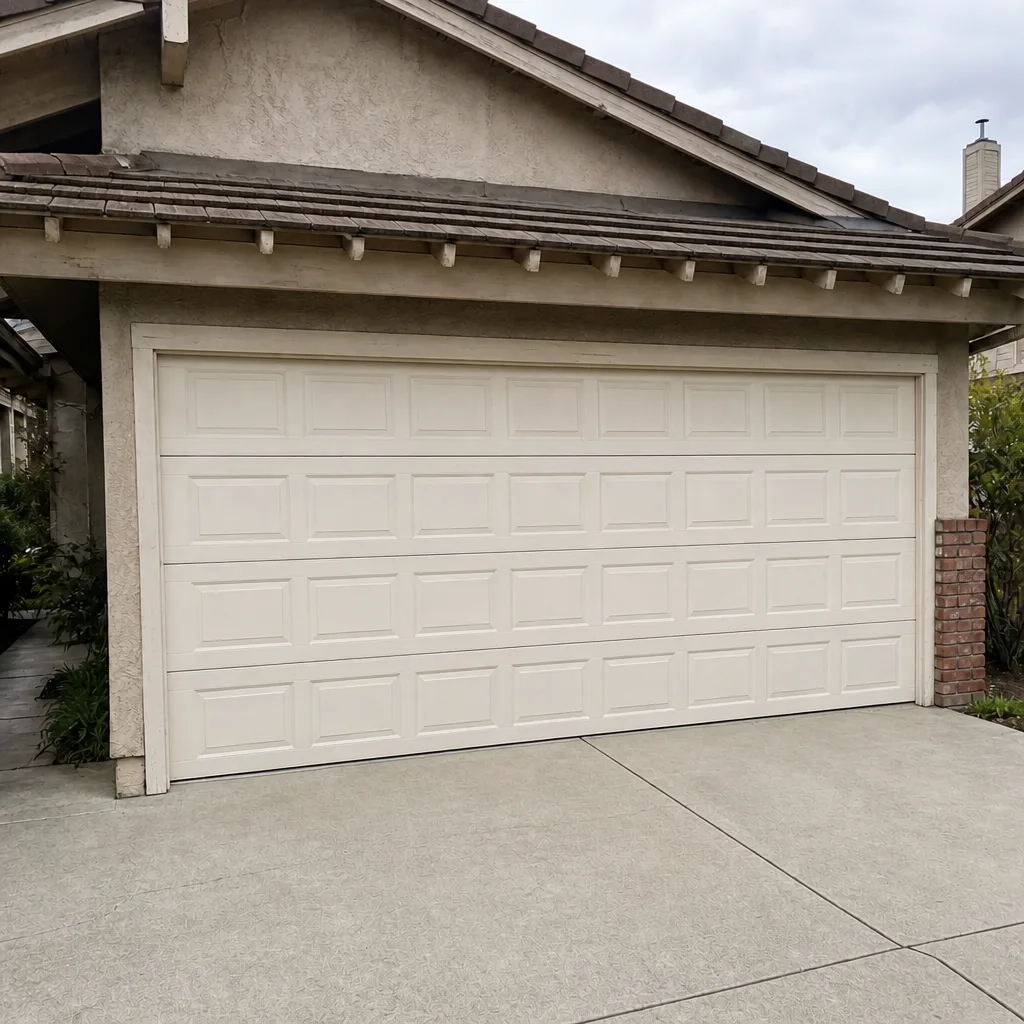
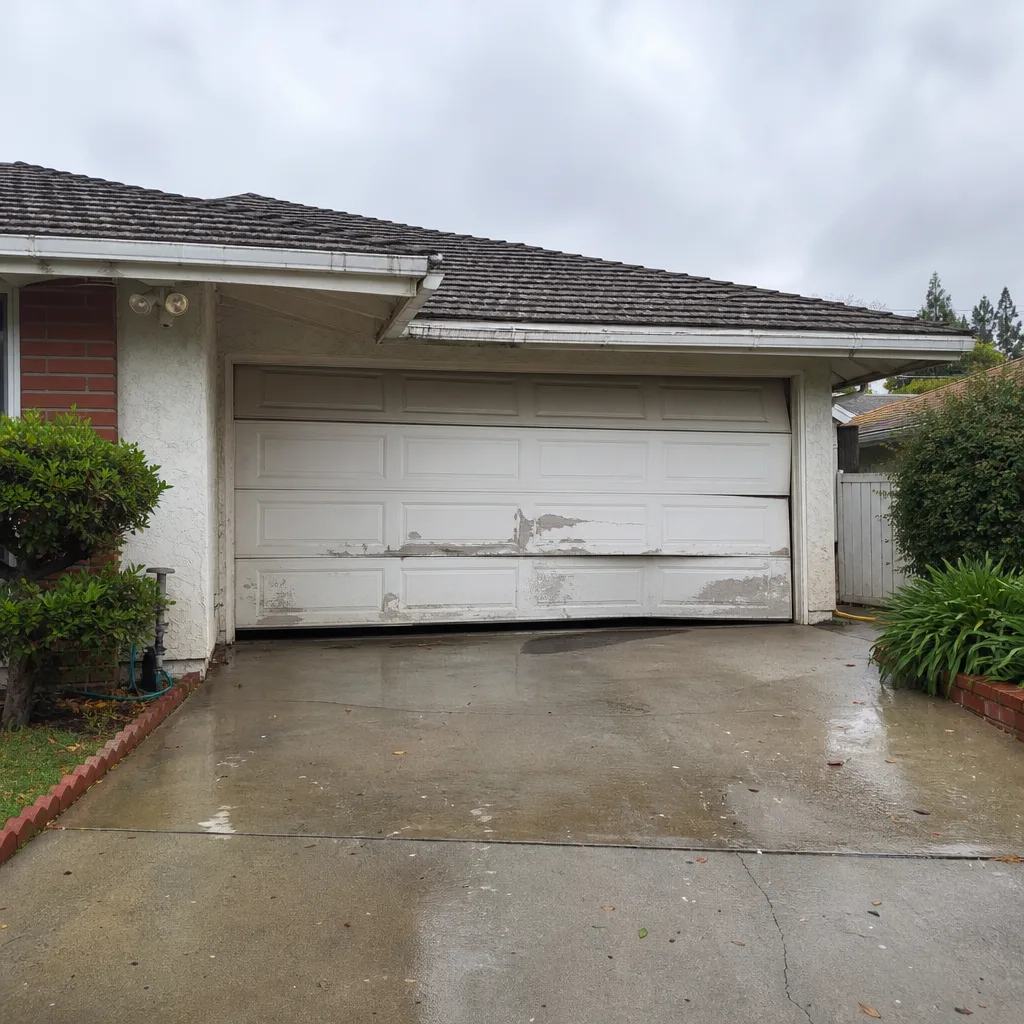
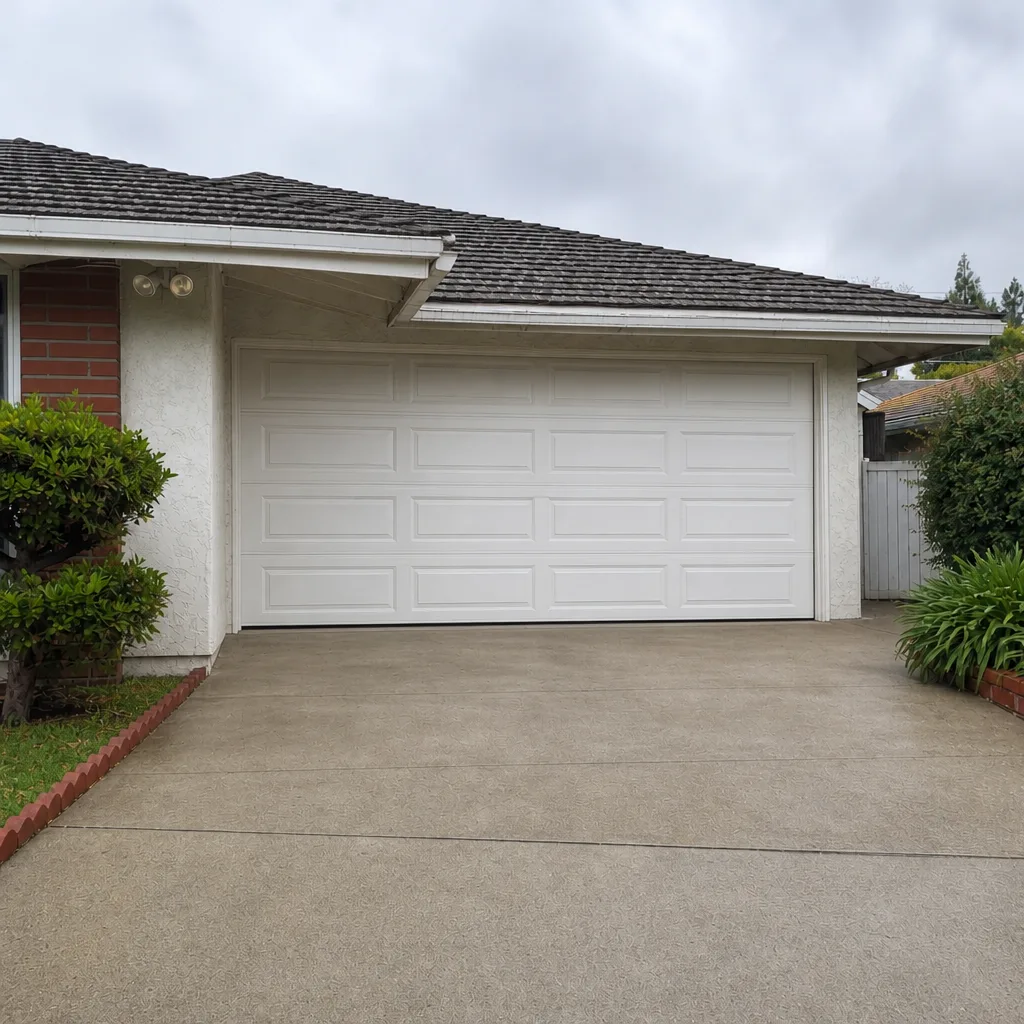
See the difference
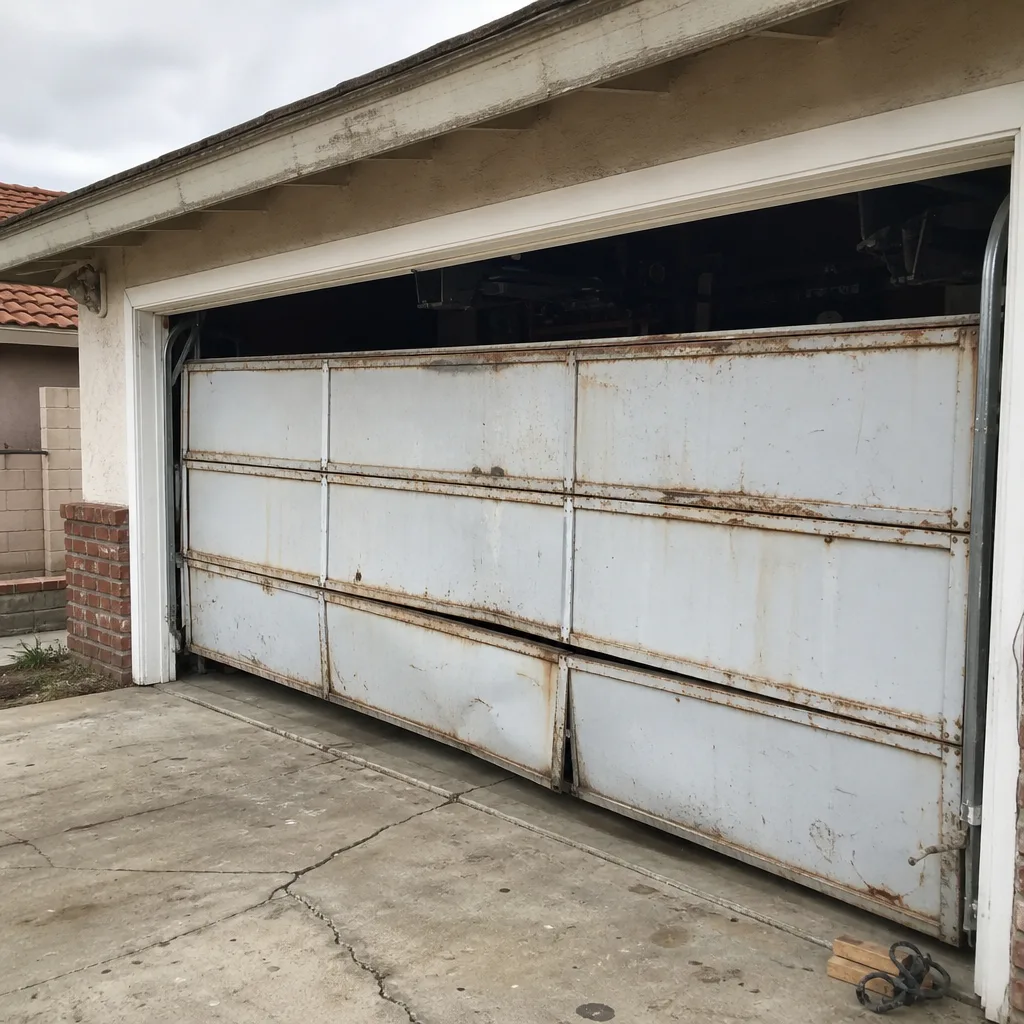 Before
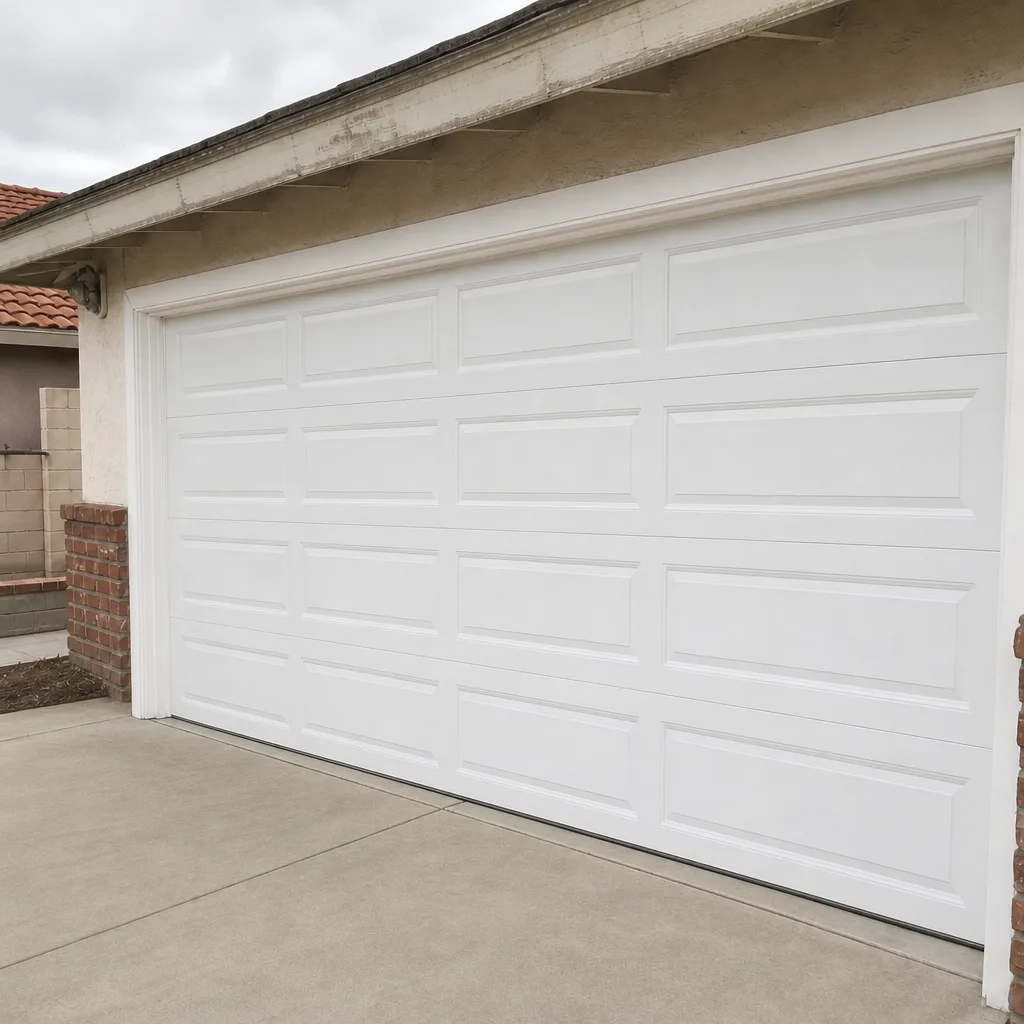 After
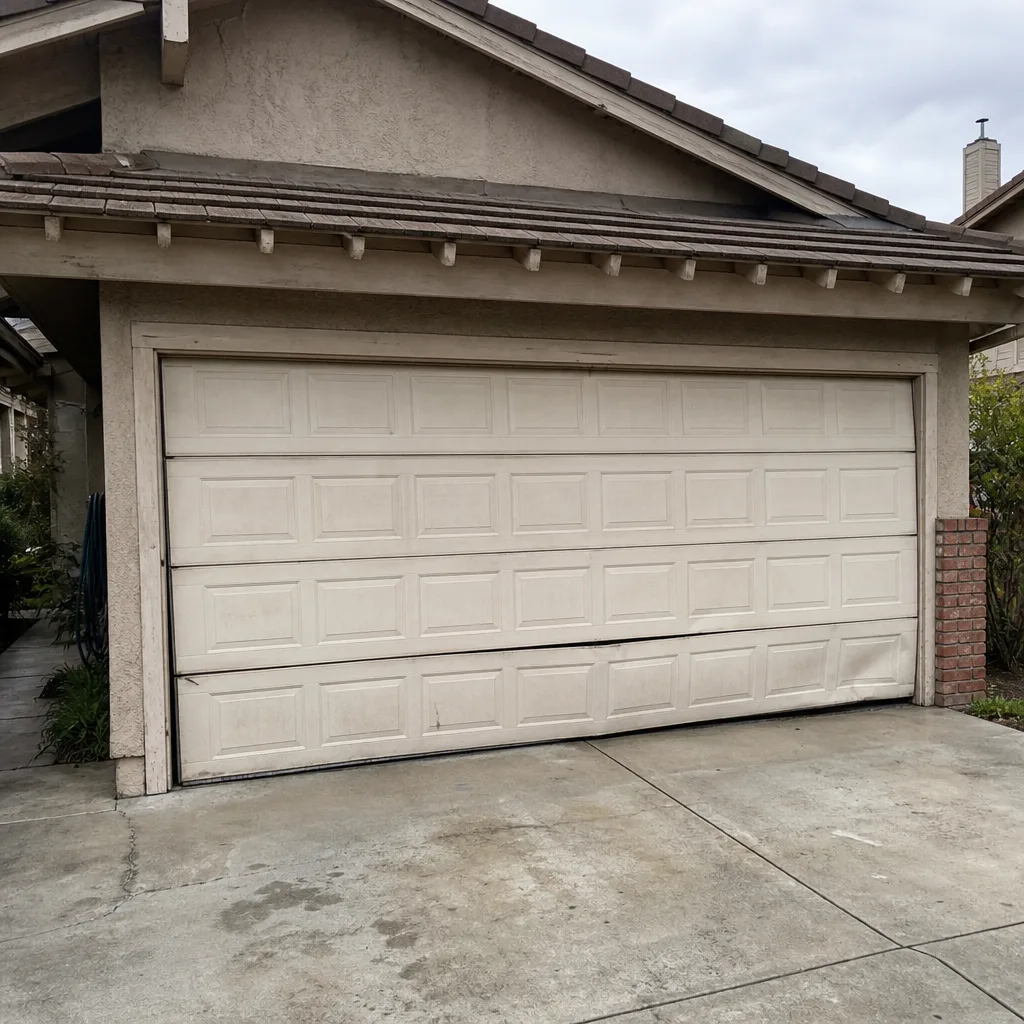 Before
 After
 Before
 After
Frequently Asked Questions
No. Torsion and extension springs store enough energy to cause serious injury or death when released, and the winding bars, cable pullers, and sequencing required to safely replace one are professional tools and skills. A spring under tension doesn’t give warnings before it strikes. Call a professional for any spring work, no matter how straightforward the YouTube video makes it look.
Safe DIY repairs include weather seal replacement, keypad reprogramming, photo-eye sensor realignment, roller replacement on non-bottom rollers, lubrication, and track cleaning. These jobs involve low-tension or electronic components and require no specialized tools beyond what most Diamond Bar homeowners already own. Anything involving springs, cables, or bottom brackets is not a DIY job.
The cost depends entirely on what’s broken, but a professional diagnostic visit is free with Harbor Garage Door Service, and the written estimate sets the price before any work begins. Weather seals, sensor fixes, and keypad issues trend toward the lower end of the range. Spring replacement and cable work cost more because of the parts, the labor sequence, and the liability coverage involved. Call (833) 620-0390 for an exact quote after we’ve looked at your door.
Possibly not. California insurers can deny claims arising from unpermitted structural work, and a self-installed door that fails and causes damage or injury often gives them that opening. Simple panel replacements on existing frames are usually lower risk, but any new opening or significant structural modification needs a permit. Ask Diamond Bar’s building department what your specific project requires before you start.
We service eight major brands: LiftMaster, Chamberlain, Genie, Clopay, Amarr, Wayne Dalton, Craftsman, and Raynor, covering both the door and the opener systems. We don’t push a specific brand, and we don’t recommend replacement until we’ve diagnosed what you already own. If your opener can be repaired cost-effectively, that’s what we’ll recommend.
Call (833) 620-0390. We answer 24/7. A call outside dispatch hours is booked into the next opening, Sunday through Friday, 7am to 7pm. We’re closed Saturdays, but your call will be answered and your repair scheduled for the soonest available Sunday slot.
The Bottom Line
The DIY-versus-professional question on garage doors comes down to tension, not talent. Low-tension maintenance like weather seals, sensors, and keypads is fair game for a careful Diamond Bar homeowner with basic tools and an hour to spare. Tension-loaded components like springs, cables, and bottom brackets stay firmly in professional territory because the stakes are life-altering, not just inconvenient. California’s permit and insurance rules add another layer: unpermitted structural work can haunt you at claim time and at sale time. When you’re not sure, the cost of a professional diagnostic is a small price for clarity. Harbor Garage Door Service offers free estimates in Diamond Bar, works on the brand you already own, and will tell you honestly whether the job is DIY-appropriate or needs a trained hand. Call (833) 620-0390 and we’ll sort it out together.
Written by the team at Harbor Garage Door Service, serving Diamond Bar since 2014.