
Last updated November 4, 2026
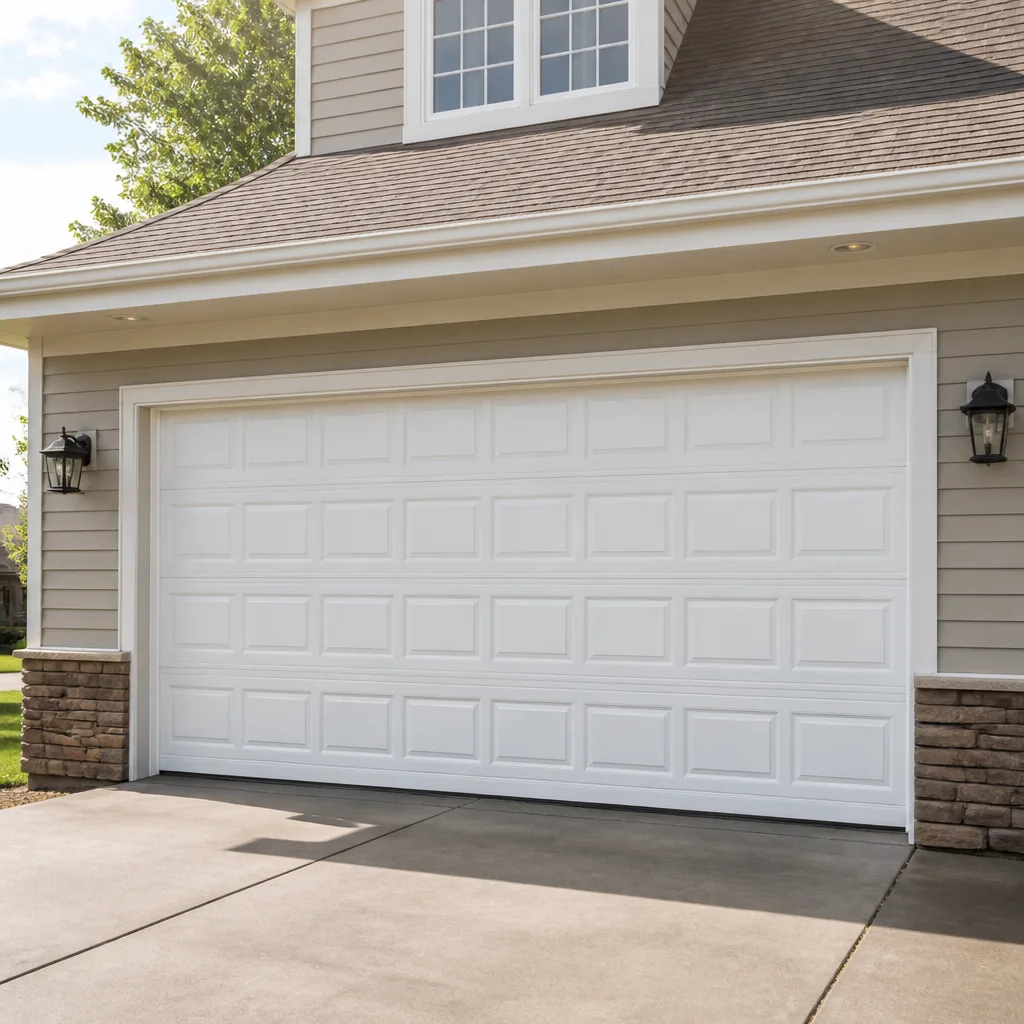 Raised-panel steel
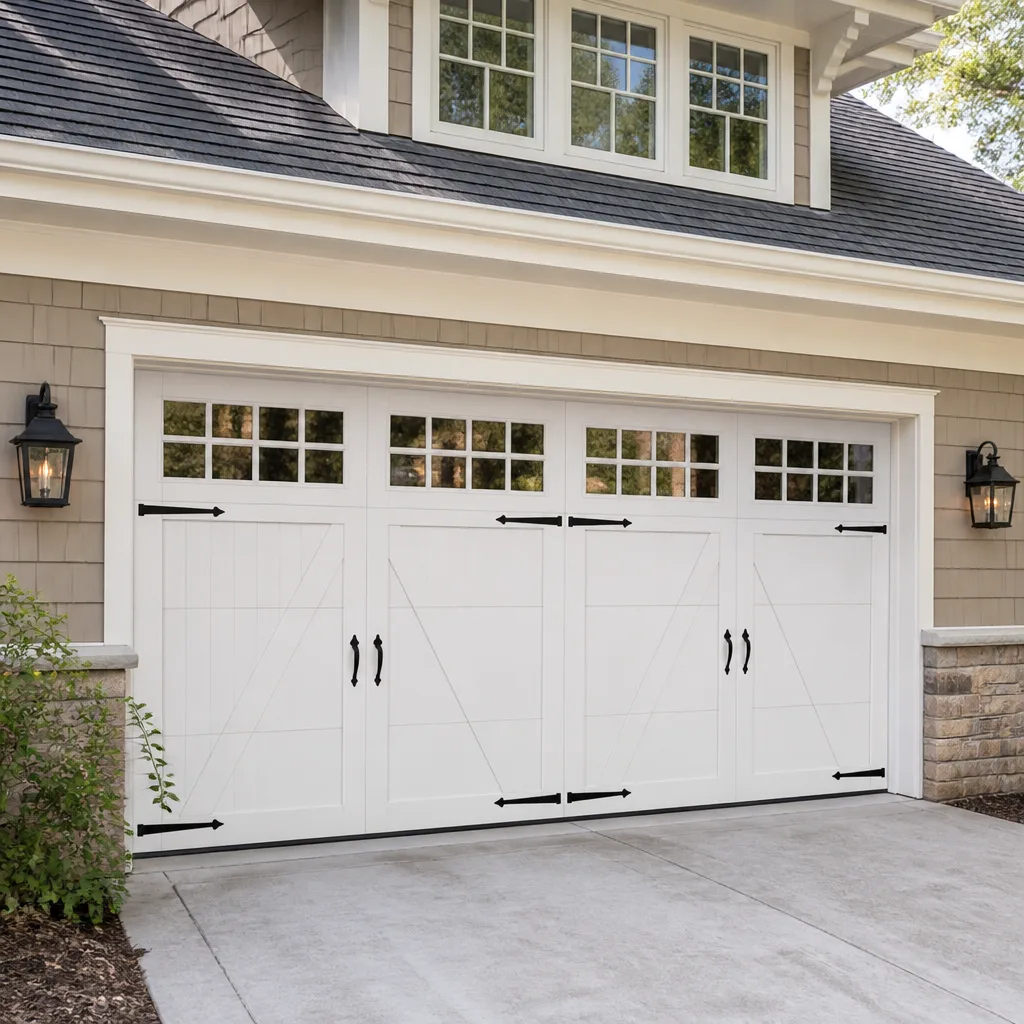 Carriage house
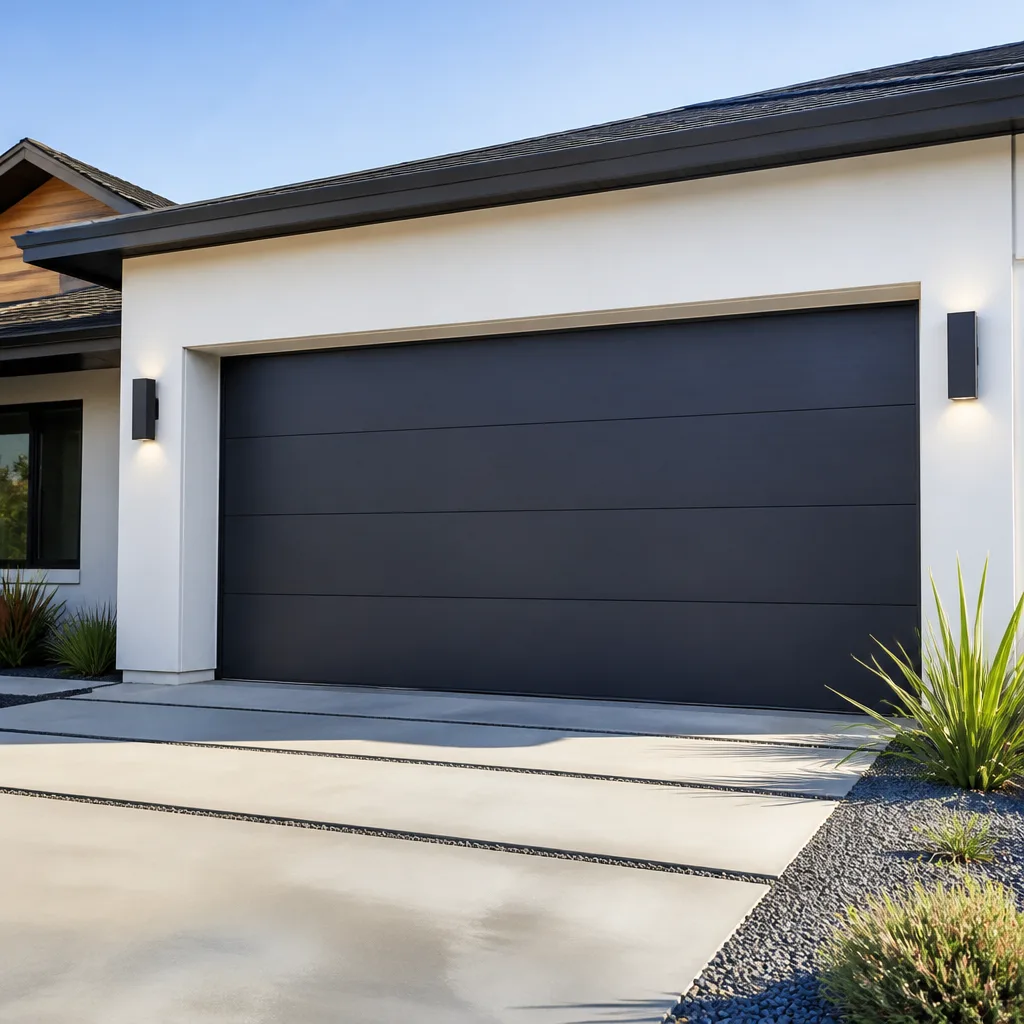 Modern flush
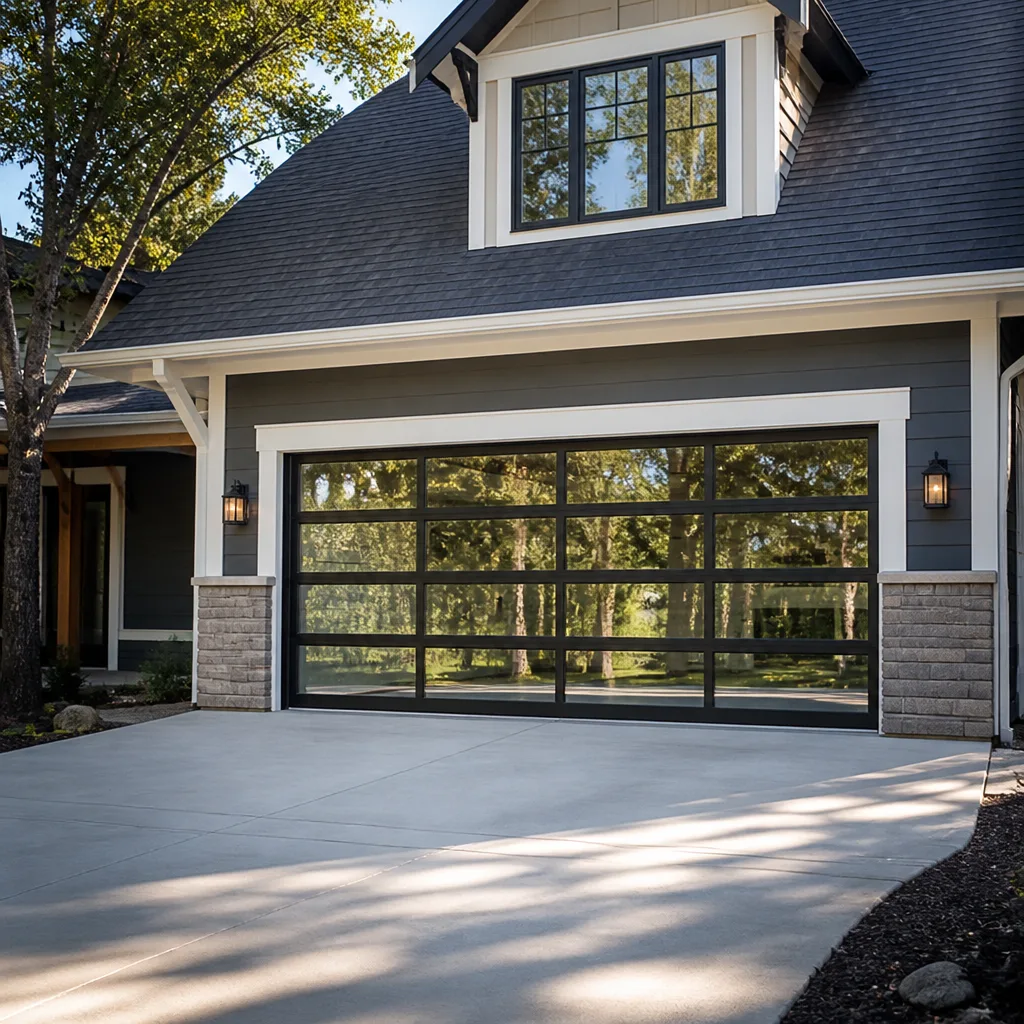 Full-view glass
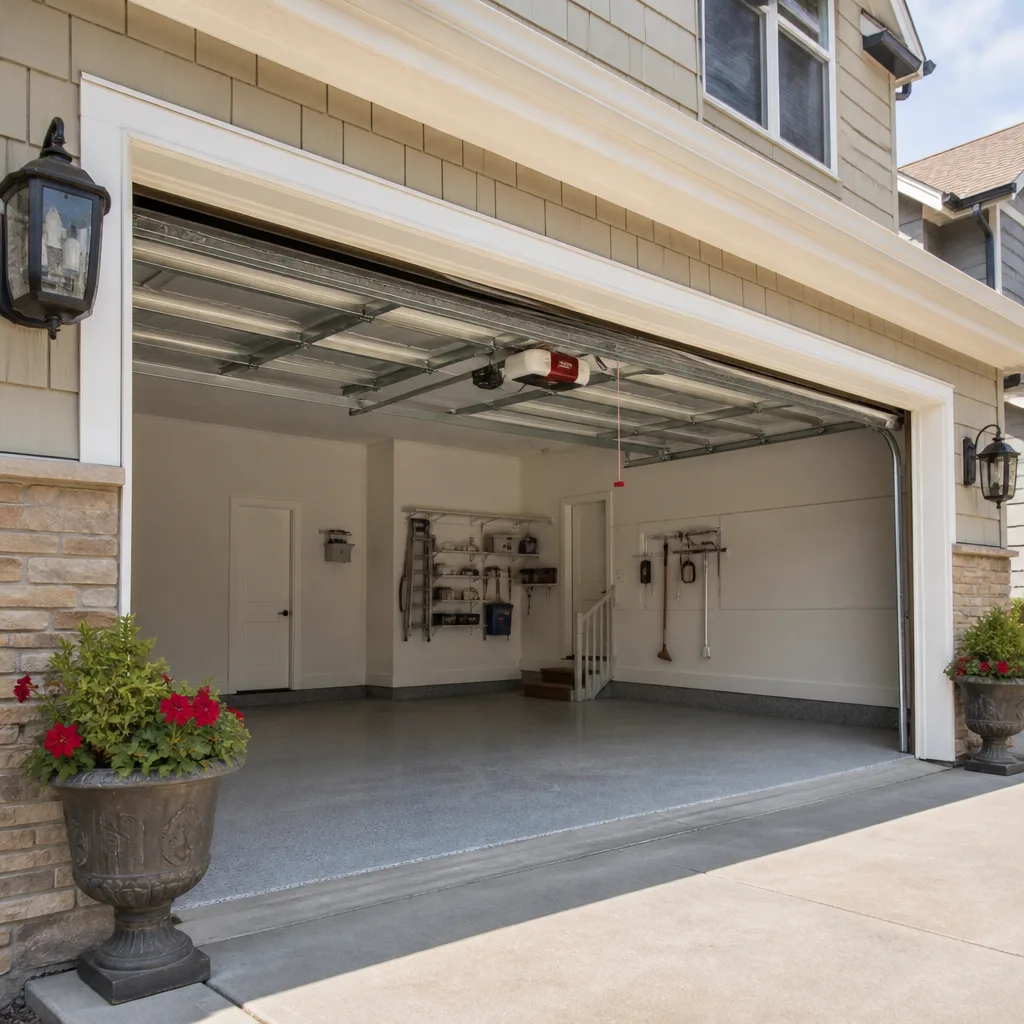 LiftMaster openers
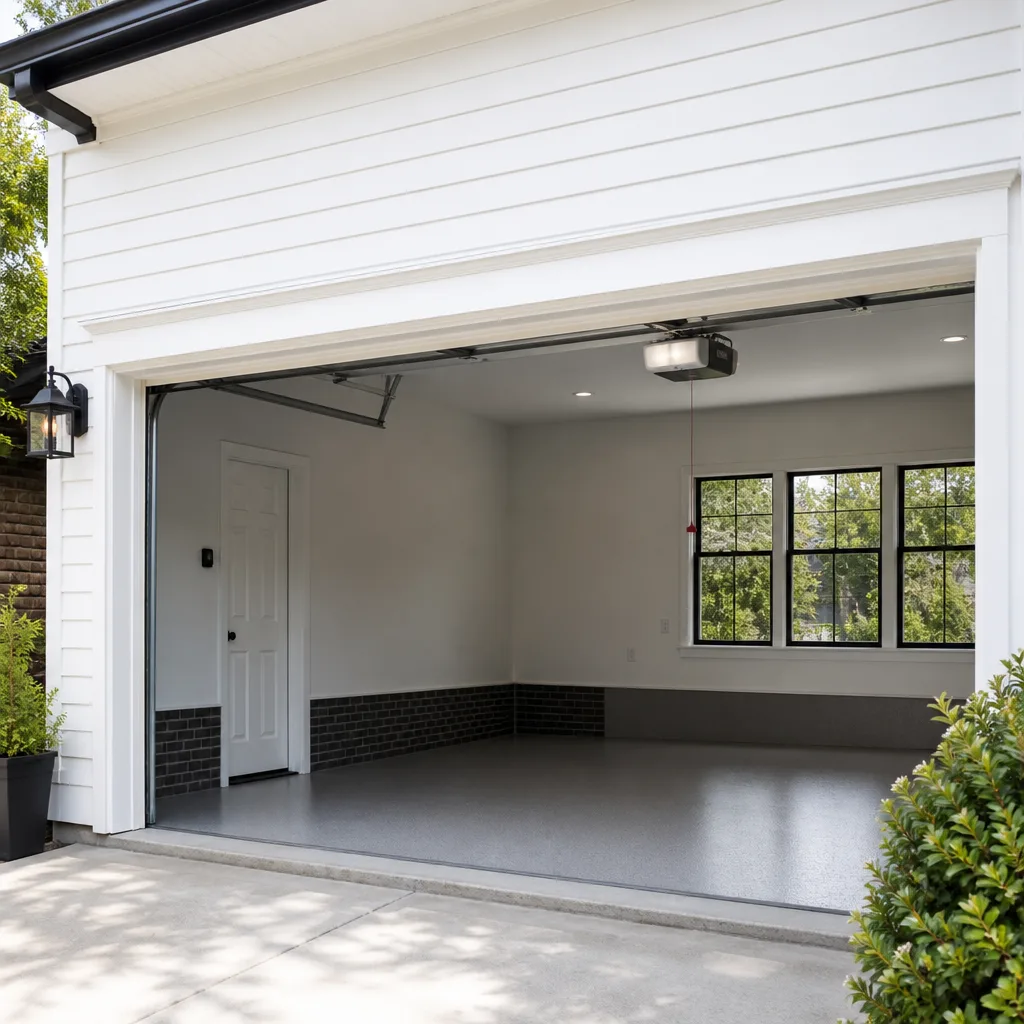 Chamberlain openers
Full 25-point door and opener safety check with every visit - springs, cables, rollers, tracks, and your LiftMaster or Chamberlain opener included
You get a price before we start. It does not change when the truck arrives.
Get your free estimateGarage Door Cost Breakdown: The Diamond Bar Homeowner’s Reference for 2026
Most national cost guides will tell you a garage door repair averages around $180. Here in Diamond Bar, the median repair invoice in 2025 ran closer to $240. That gap isn’t because local companies charge more for the same work. It’s because Diamond Bar presents a specific set of conditions: hillside lot configurations, an older housing stock built across several decades, and genuine parts availability for the eight major brands we service. This guide explains what actually drives garage door pricing in this city, line by line, so you can read a quote the way a technician does.
Quick Answer
Garage door repair in Diamond Bar typically runs $180 to $450 for most mechanical fixes, with spring replacement being the most common at $220 to $340 for a single spring or roughly double that for a matched pair. New garage door installation in 2026 ranges from about $1,200 for a basic steel door to $4,800+ for custom wood composite or carriage house styles. The written estimate you receive before any work starts is the final number, and with Harbor Garage Door Service, that estimate is free.
Styles & brands we work with
- Raised-panel steel
- Carriage house
- Modern flush
- Full-view glass
- LiftMaster openers
- Chamberlain openers
Table of Contents
- Why Diamond Bar Pricing Differs From the National Average
- Component-by-Component Cost Table: Parts and Labor Separated
- The Hillside Driveway Surcharge: When Incline Adds to Labor
- Brand Parts Cost Variance: LiftMaster, Genie, Craftsman, and More
- New Installation Cost by Material Tier in Diamond Bar
- How to Read a Quote: Spotting Markup vs. Legitimate Labor
- Common Mistakes to Avoid
- When to Call a Professional
- Frequently Asked Questions
Why Diamond Bar Pricing Differs From the National Average
Diamond Bar sits in the eastern San Gabriel Valley, where labor rates track with LA County averages rather than the lower figures you’ll see from national aggregators. A technician working in Pomona or Walnut costs the same as one working in Diamond Bar, and that labor rate reflects the cost of doing business across the SGV corridor. When a national website cites a $75 repair, it’s usually quoting a parts-only job in a market with a lower cost of living. That number doesn’t translate here.
The second factor is housing stock. Much of the residential construction in Diamond Bar dates from the 1960s through the 1990s, which means a wide mix of door systems. Some homes still have the original single-panel tilt-up doors. Others have sectional doors from the early 2000s. That variety means fewer cookie-cutter repairs. A technician arriving at a 1970s hillside home in the Diamond Bar area is likely working with hardware that has been adjusted and patched by previous owners, and that adds diagnostic time.
The third factor is the hillside lot itself. Roughly three in ten Diamond Bar homes sit on an incline that affects how equipment is staged and how the door is accessed. We’ll cover that in detail below, but for now know this: a flat driveway in the Village neighborhood and a steep driveway near Summitridge Park are not the same job, even when they need the same spring.
Component-by-Component Cost Table: Parts and Labor Separated
Here’s the line-item breakdown for the most common garage door components in Diamond Bar’s 2026 market. The part cost is what the component itself costs from a supply house or manufacturer. The labor figure reflects local SGV rates, which include time to diagnose, remove, install, tension, and test.
| Component | Typical Part Cost | Typical Labor Cost | Combined Estimate Range |
|---|---|---|---|
| Single torsion spring | $60 – $110 | $160 – $230 | $220 – $340 |
| Matched pair of torsion springs | $120 – $220 | $180 – $260 | $300 – $480 |
| Extension spring (older doors) | $40 – $80 | $140 – $200 | $180 – $280 |
| Cable set (both sides) | $30 – $60 | $150 – $210 | $180 – $270 |
| Roller set (10-12 nylon rollers) | $40 – $90 | $120 – $180 | $160 – $270 |
| Bottom seal / weatherstrip | $20 – $45 | $80 – $130 | $100 – $175 |
| Hinge set | $30 – $70 | $100 – $160 | $130 – $230 |
| Door panel (steel, standard size) | $250 – $500 | $180 – $300 | $430 – $800 |
| Opener motor unit (replacement) | $200 – $450 | $180 – $280 | $380 – $730 |
| Full door replacement (steel, entry grade) | $700 – $1,400 | $500 – $900 | $1,200 – $2,300 |
A few things to note about these ranges. First, a spring price is for one spring. Garage doors with two springs almost always need both replaced at the same time, since they wear at matching rates and a mismatched pair causes uneven operation and early failure of the new spring. Expect about double the single-spring figure for a two-spring door.
Second, the labor column includes the full service cycle: travel within Diamond Bar, initial assessment, removal of the failed part, installation, adjustment, and a safety test of the complete door system. That’s not padding; it’s what a proper job involves.
The Hillside Driveway Surcharge: When Incline Adds to Labor
Diamond Bar’s topography is part of what makes it a desirable place to live, and it’s also part of what makes garage door work here different from flat-city suburbs. When a driveway climbs at a steep pitch, the door itself is often the primary access point for tools and materials. On a flat lot, a technician can stage equipment beside the vehicle and walk freely around the door. On an incline, the workspace narrows.
What this means practically:
- Ladders and spring-winding bars need a stable surface. On a pronounced slope, setting up takes longer and requires blocking or chocking.
- Removing a heavy steel door panel on an incline demands a second person more often than on flat ground. That second-tech labor is a legitimate line item.
- If the garage is detached and located up-slope from street parking, carrying tools and replacement parts adds 15 to 30 minutes before work begins.
This is not a surcharge in the punitive sense. It’s time. A job that takes 90 minutes on a flat Diamond Bar street can take two hours on a hillside lot in the Country Estates area. When you see higher labor on a quote for a hillside home, ask the technician to explain it. A good company will walk you through exactly why. If they can’t or won’t, that’s useful information too.
Brand Parts Cost Variance: LiftMaster, Genie, Craftsman, and More
Garage door openers and components are not interchangeable, and brand matters more than most homeowners assume. The eight major brands we work on, including LiftMaster, Genie, and Craftsman, each have distinct parts ecosystems, and local supply availability in the SGV corridor varies.
LiftMaster parts tend to sit at the higher end for opener components. The brand’s logic boards, gear kits, and remotes are widely stocked, but they’re priced at a premium. A LiftMaster gear-and-sprocket replacement in Diamond Bar typically runs $60 to $90 for the part alone. Genie parts generally come in lower, often 15 to 20 percent cheaper for equivalent components, but availability can be spottier for models older than ten years. Craftsman, which shared manufacturing with Chamberlain for years, often has interchangeable parts with the Chamberlain line, which means older Craftsman openers are among the fastest to source and repair.
Why does this matter for your invoice? Because a company that pushes one brand can quote you a new opener when a legacy Craftsman part would have solved the problem for a third of the price. We work on the brand you already own. That means a repair-first recommendation based on parts availability and condition, not on what we have sitting in a van.
For door panels and hardware, Wayne Dalton and Raynor parts are the two we see most often on Diamond Bar homes built in the 1980s and 1990s. Both brands still manufacture replacement sections, but lead times differ. A standard Wayne Dalton panel for a 16-foot door can often be sourced same-week. A Raynor panel for an odd-sized opening may need a week and a half. That timeline difference should show up in your quote as a logistics note, not a line-item markup.
New Installation Cost by Material Tier in Diamond Bar
When a door has reached the end of its life, replacement pricing depends on material, size, insulation, and finish. Here’s how the tiers break down in Diamond Bar’s 2026 market for a standard 16×7 door, including installation and haul-away of the old door.
- Steel, non-insulated or single-layer: $1,200 to $1,800. This is the entry tier. It’s what you’ll find on many Diamond Bar condos and townhomes. The door is durable but offers little thermal benefit, which matters less in our mild climate than in colder regions.
- Steel, insulated (polystyrene or polyurethane core): $1,800 to $2,800. This is the most common choice for Diamond Bar single-family homes. Insulation helps with garage temperature stability during summer heat and when the garage sits below living space.
- Aluminum with glass panels: $2,500 to $4,200. A design-forward choice seen more often in Diamond Bar’s newer developments and contemporary remodels in the Summitridge area. Lighter than steel but more expensive for the frame construction and glass fabrication.
- Wood composite: $3,000 to $4,800. Composite gives you the appearance of wood without the maintenance. It’s increasingly popular across Diamond Bar’s custom-home neighborhoods, and the material holds up well to sun exposure on south-facing hillsides.
- Carriage house style (steel or composite, decorative hardware): $2,800 to $4,500. This is an aesthetic tier more than a material tier. Carriage house doors can be built on steel or composite backs, with the price driven by hardware quality, window options, and finish detailing.
These ranges are for installed prices with a standard door opening. Odd sizes, custom colors, motor upgrades, and hillside access can push the figure higher. What should not push it higher is vague language. A written quote should break down the door price, the labor, the haul-away, and any structural work like replacing the jamb or tracks. If your quote doesn’t itemize these, ask for it. Before any installation starts, the price is agreed in writing. That’s how garage door repair and replacement should always work.
How to Read a Quote: Spotting Markup vs. Legitimate Labor
Every industry has its markups. Garage door work is no exception. The difference between a fair quote and a padded one often comes down to whether you can see the component cost and understand what the labor involves. Here’s how to read a Diamond Bar garage door quote in five steps.
- Look for itemization. A quote that says “spring replacement: $450” without breaking out parts and labor is hiding something. A fair quote separates the spring cost from the installation labor. In Diamond Bar, a single spring should appear at $60 to $110 for the part, not $200.
- Check the part number. Reputable companies list the actual part: “Torsion spring, .225 wire, 24-inch length” or “LiftMaster gear kit 41C4220A.” If a quote says “door parts” without detail, ask for specificity. Vague part descriptions are where markup hides.
- Understand the labor rate. Local technicians in the SGV corridor typically bill $90 to $130 per hour for garage door work, depending on the company’s overhead and specialization. A two-spring replacement taking 90 minutes should show roughly $135 to $195 in labor, plus the springs themselves.
- Look for a second-tech line item. On hillside jobs or heavy door replacements, a second technician is often necessary. This should be listed as a separate labor line, not buried in a combined number. If it’s legitimate, the company will explain why two people are needed for your specific lot.
- Confirm the total before approving. The final invoice should match the written estimate unless you approved a change. Additional damage discovered mid-repair should be communicated to you before any new work begins. That’s how you keep a $340 spring job from becoming a $900 surprise.
Legitimate margins in this industry run 15 to 25 percent on parts. That’s normal. What’s not normal is a 100 percent markup on a spring that costs $40 at any supply house in the San Gabriel Valley. When in doubt, ask the company to explain the line items. The ones worth keeping will walk you through it without hesitation.
Common Mistakes to Avoid
- Accepting a quote without an itemized breakdown. A one-line quote is a red flag everywhere, but especially in Diamond Bar where hillside access can inflate labor if it’s not explained. Ask for the parts and labor separated.
- Replacing only one spring on a two-spring door. We covered this above, but it bears repeating: a matched pair wears together. Replacing one spring means the other fails within months, and you’ll pay the labor twice.
- Assuming all openers use the same replacement parts. A LiftMaster circuit board will not work in a Genie unit. Before buying a used or discount opener from an online marketplace, confirm the model number compatibility with the door’s weight and track system.
- Ignoring a noisy door until something breaks. Grinding or popping sounds from a Diamond Bar hillside garage often indicate worn rollers or failing hinges before the spring goes. Addressing the small fix is almost always cheaper than the breakdown that follows.
- Using a big-box installer without checking what’s included. National retailers often subcontract to generalist handymen who don’t specialize in garage door systems. Confirm the installer works on your specific door brand and handles the full hardware set, not just panel swap.
- Choosing a door by price alone. The cheapest steel door on a west-facing Diamond Bar hillside will bake in afternoon sun and transfer heat into a garage that sits beneath living space. Insulation matters more on sloped lots than many realize.
When to Call a Professional
Some garage door tasks are genuinely straightforward: replacing a remote battery, tightening visible hinge bolts, cleaning the photoelectric sensor lenses. Others carry real risk. Torsion springs are under tension sufficient to cause serious injury if they release unexpectedly. Cables carry similar loads. Any repair involving these components, or any situation where the door binds mid-travel or hangs unevenly, should be handled by a trained technician with the right winding bars and safety procedures.
Beyond safety, there’s a diagnostic element. A door that reverses when closing might be a sensor alignment issue or a logic board failure. The symptoms look similar; the fixes don’t. Garage door opener repair often requires bench-level troubleshooting that most homeowners shouldn’t attempt with a YouTube tutorial. Harbor Garage Door Service offers free estimates in Diamond Bar, and we’re glad to assess what you have before any recommendation is made. Call (833) 620-0390. We answer 24/7. Fast dispatch from 7am to 7pm, Sunday through Friday.
Frequently Asked Questions
A single torsion spring replacement in Diamond Bar typically runs $220 to $340, while a matched pair runs $300 to $480 including labor and parts. The final number depends on door weight and spring size. Call (833) 620-0390 for an exact quote, estimates are free.
Yes, same-day repair is available for most mechanical failures. We answer 24/7, and fast dispatch runs from 7am to 7pm, Sunday through Friday. A call outside dispatch hours is booked into the next opening.
No, the written estimate is the agreed price unless you approve additional work after new damage is discovered. Any changes are communicated before work continues, and the total is confirmed in advance.
Our technicians carry the most common springs, cables, rollers, hinges, and opener components for the eight major brands we service, including LiftMaster, Genie, and Craftsman. Specialty parts for older Wayne Dalton or Raynor doors may require a parts run, which is communicated before any work begins.
Steep driveways require more time for staging tools, stabilizing ladders, and sometimes a second technician for heavy component work. It’s not an arbitrary surcharge, it’s additional labor time that a flat lot doesn’t require.
Mild winters mean thermal performance isn’t as critical as in cold climates, but summer heat on south and west-facing hillside lots does push heat into garages beneath living space. Insulated steel is the most practical choice for most Diamond Bar single-family homes.
The Bottom Line
Garage door costs in Diamond Bar run higher than national averages because LA County labor rates, hillside lot realities, and brand-specific parts availability all shape the invoice. A typical repair lands between $180 and $450. A new door ranges from about $1,200 to $4,800 depending on material and design. The best protection against overpaying is a quote that itemizes parts and labor, explains hillside access time, and names the brand components being used. That’s how we write every estimate at Harbor Garage Door Service, and why our customers across Diamond Bar know exactly what they’re paying for before work starts. Call (833) 620-0390 for a free estimate. We answer 24/7. Fast dispatch from 7am to 7pm, Sunday through Friday.
Written by the team at Harbor Garage Door Service, serving Diamond Bar since 2014.
See the difference
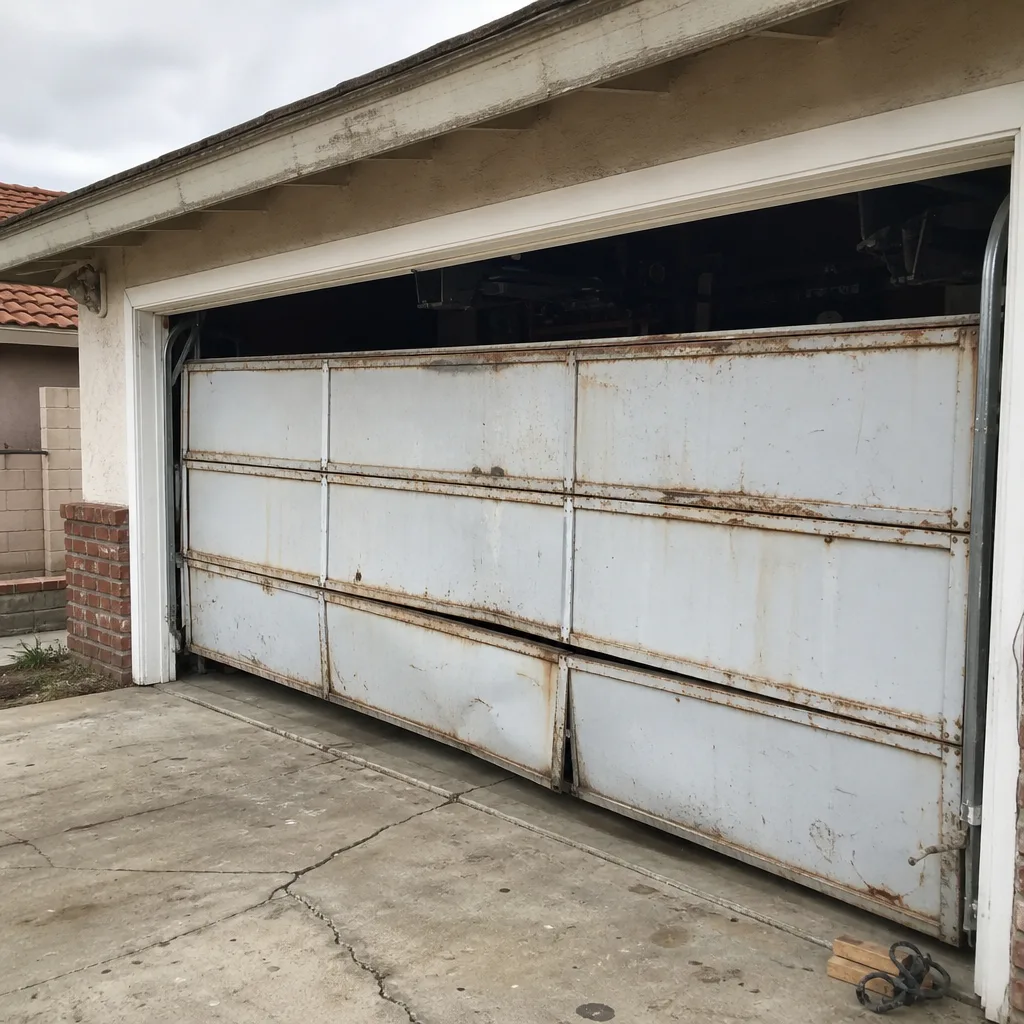 Before
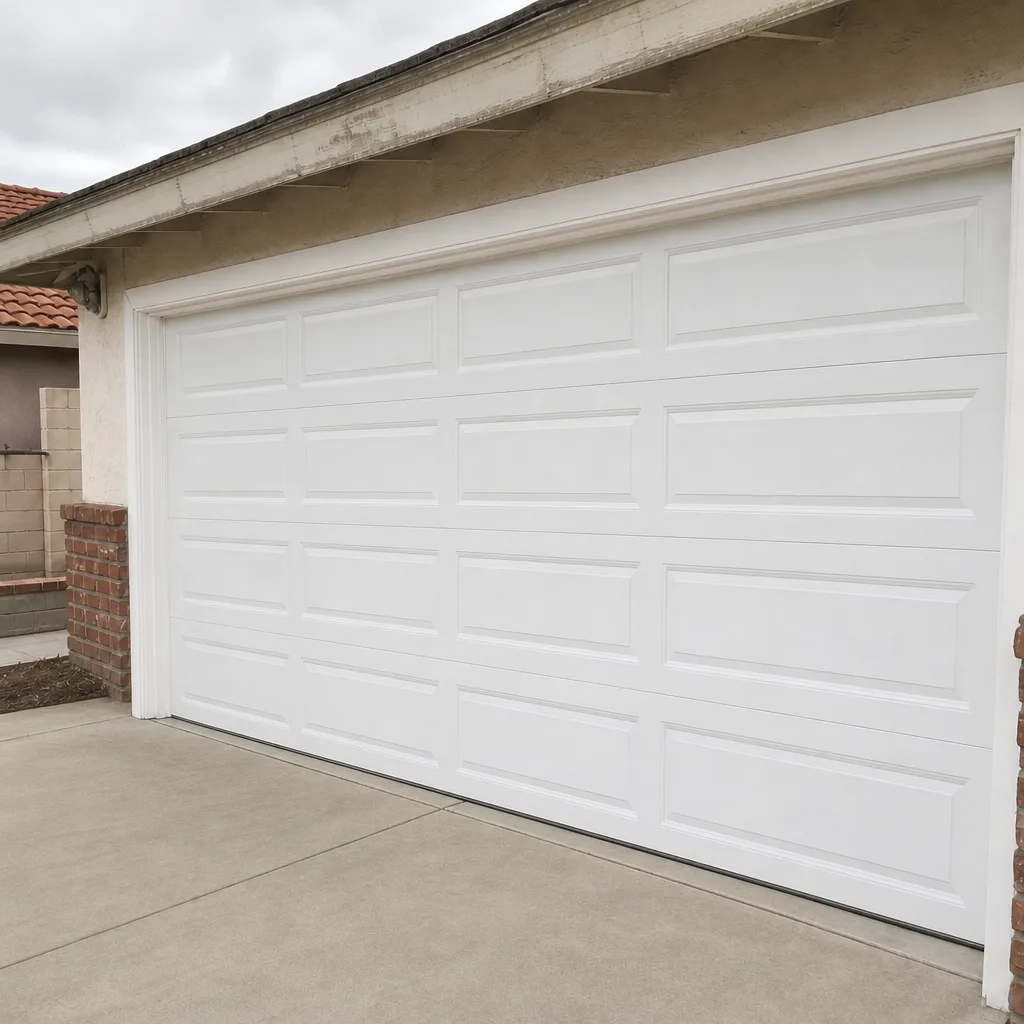 After
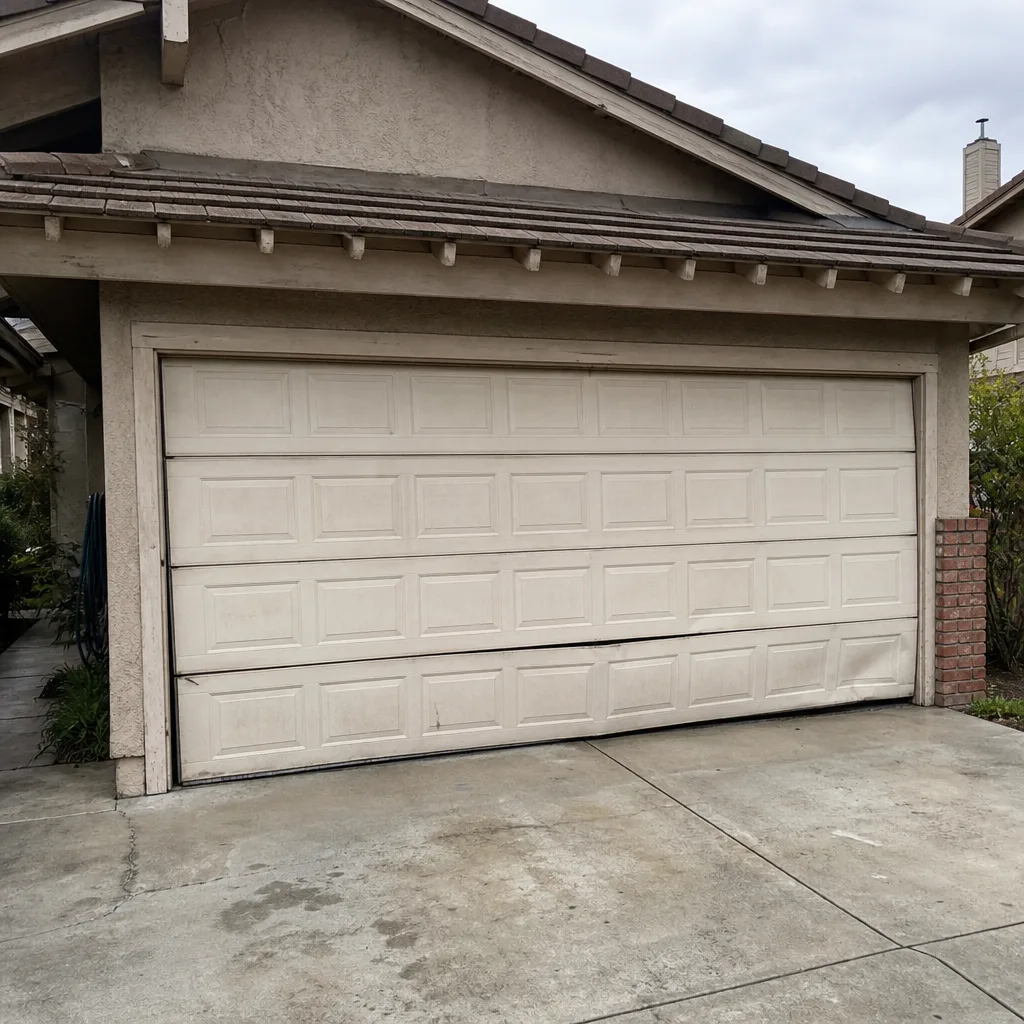 Before
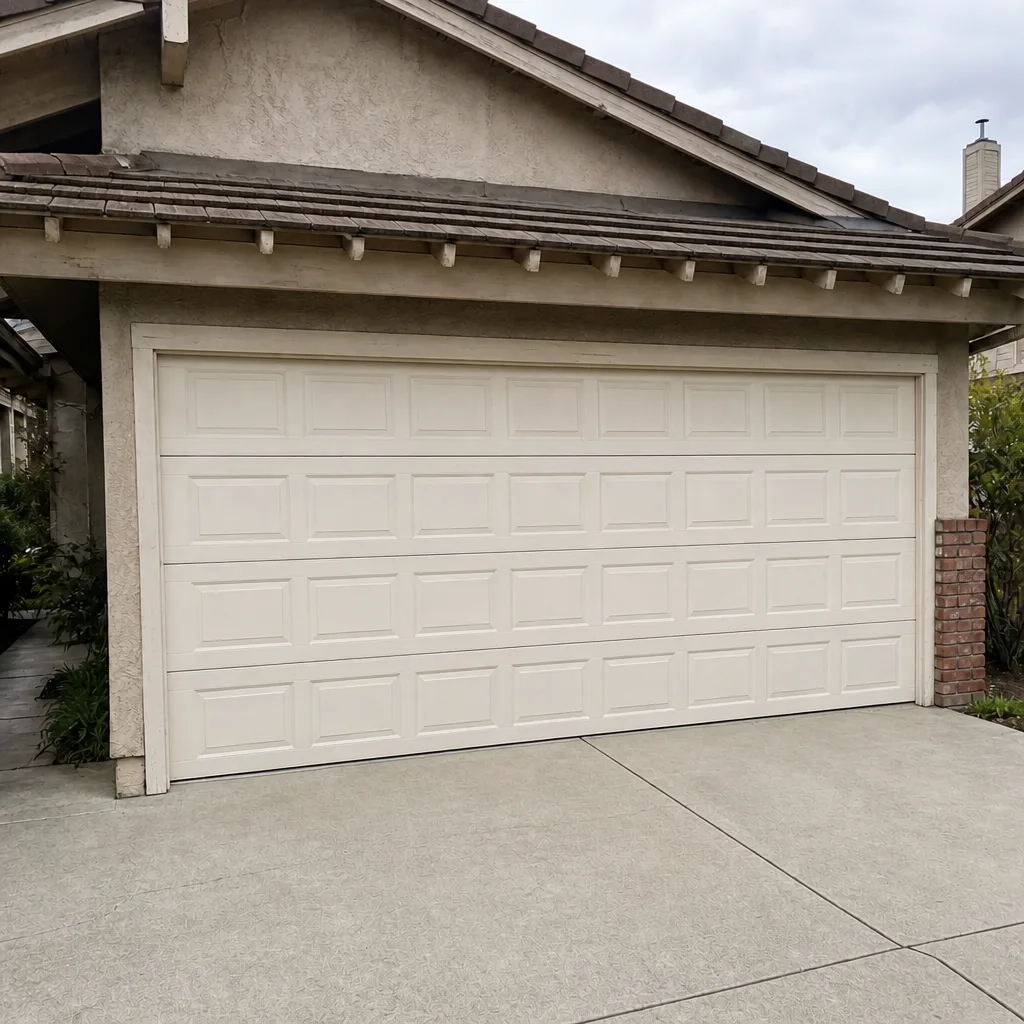 After
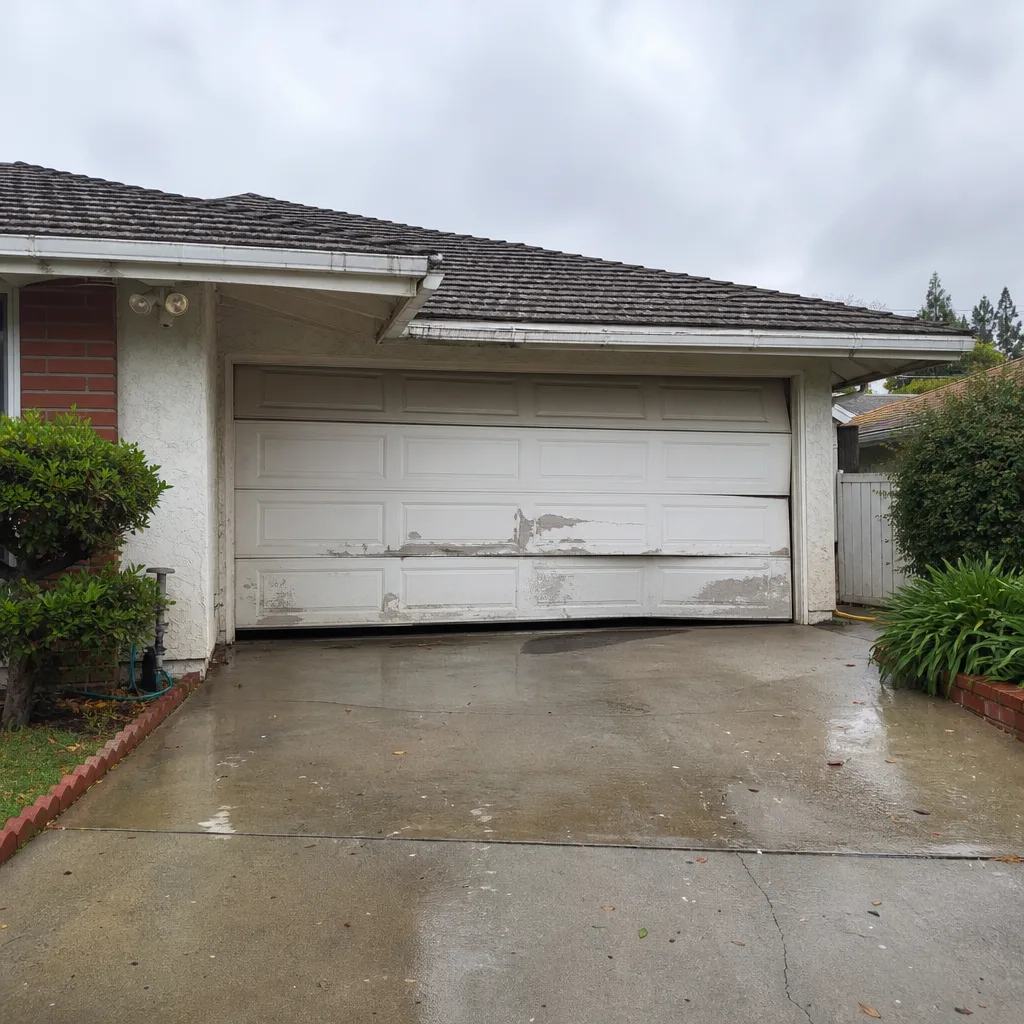 Before
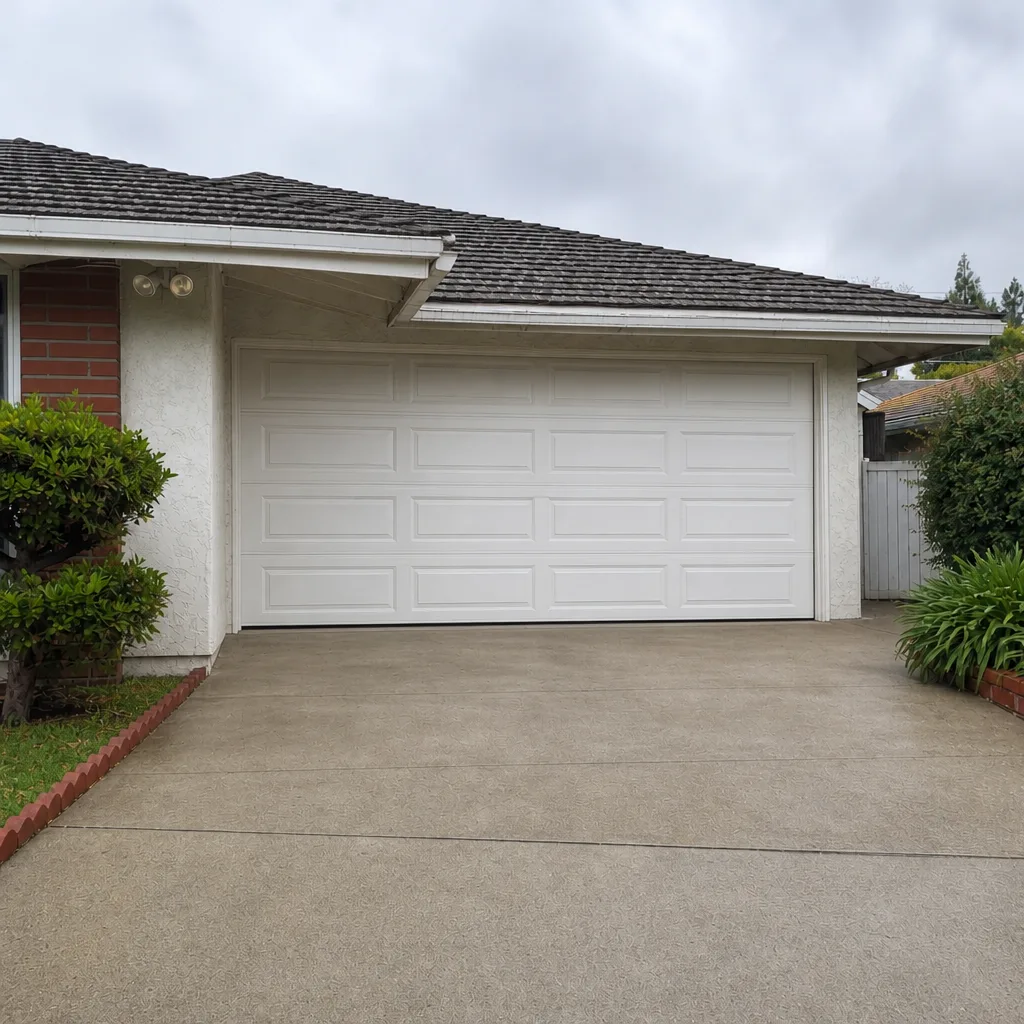 After